Personnel Transfer as a Strategic Tool for Training and Development
In the realm of human resource management, certain decisions merely alter an employee's position, while others initiate transformative journeys for both individuals and organizations. Personnel transfers designed specifically for training and development represent the latter category—a strategic approach that has gained significant traction in modern corporate structures, particularly within large industrial enterprises.
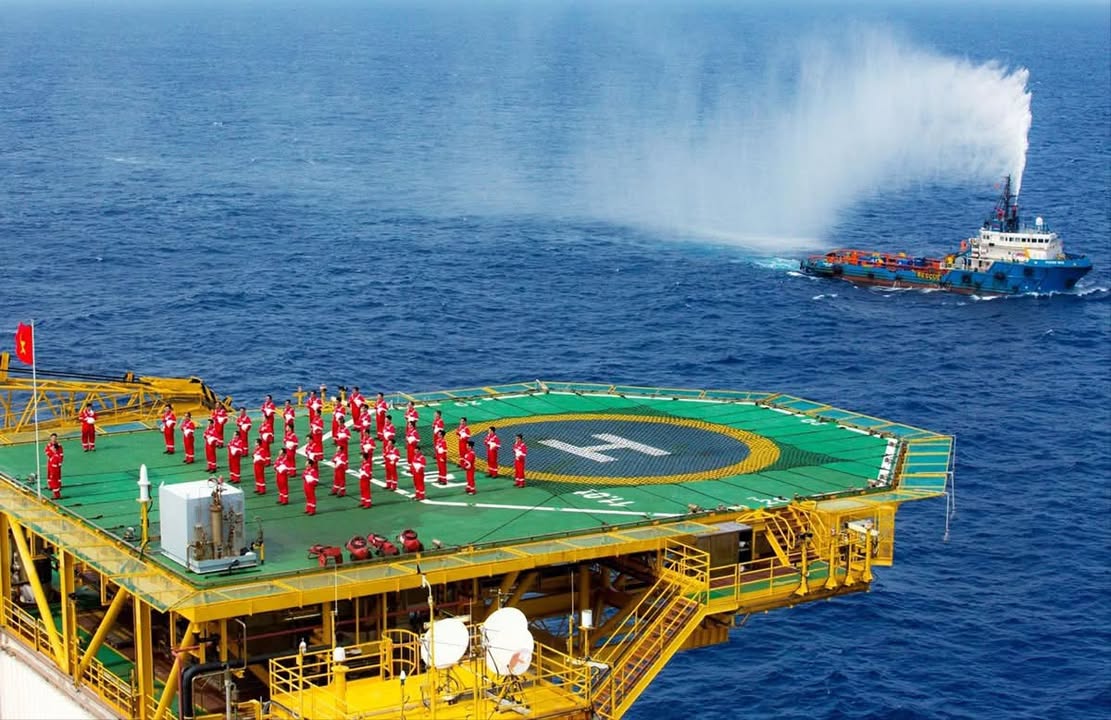
PetroVietnam, Vietnam's national oil and gas corporation, exemplifies this approach through its systematic implementation of personnel transfer programs. These initiatives are not merely administrative adjustments but deliberate mechanisms for talent cultivation, organizational learning, and long-term capacity building.
The Strategic Imperative of Personnel Transfer
Personnel transfer programs represent a sophisticated approach to human capital development that goes beyond traditional training methods. By strategically moving employees across different departments, functions, or geographical locations, organizations create opportunities for multifaceted growth and knowledge dissemination.
For PetroVietnam, a company operating in the complex and high-stakes energy sector, such programs serve multiple strategic purposes:
- Developing a versatile workforce capable of adapting to industry challenges
- Fostering organizational learning through cross-functional knowledge sharing
- Identifying and nurturing future leaders through diverse experiences
- Enhancing employee engagement through varied career progression paths
- Building institutional knowledge across the organization's extensive operations
Benefits for Individual Development
From an individual perspective, transfer programs offer unparalleled opportunities for professional growth. Employees who participate in these initiatives typically experience:
| Development Area | Benefits |
|---|---|
| Technical Skills | Acquisition of diverse technical competencies across different operational contexts |
| Leadership Abilities | Development of leadership capabilities through varied management challenges |
| Strategic Thinking | Enhanced capacity for strategic decision-making through broader organizational exposure |
| Adaptability | Improved flexibility and resilience in responding to changing circumstances |
| Network Building | Expansion of professional networks across different organizational segments |
Organizational Advantages
For organizations like PetroVietnam, personnel transfer programs yield substantial benefits that extend beyond individual development:
- Talent Pipeline Development: Creating a robust pipeline of leaders with comprehensive organizational knowledge
- Knowledge Management: Facilitating the cross-pollination of ideas and best practices across departments
- Succession Planning: Ensuring continuity of leadership and critical expertise
- Change Management: Building organizational capacity to adapt to industry transformations
- Cultural Cohesion: Strengthening organizational culture through shared experiences
Implementation Framework
Effective personnel transfer programs require careful planning and execution. PetroVietnam's approach typically involves several key components:
1. Strategic Alignment
Transfer initiatives must align with organizational strategic objectives. Each transfer opportunity should be designed to address specific development needs while supporting organizational priorities.
2. Individual Development Planning
Comprehensive development plans should accompany each transfer, outlining specific learning objectives, expected competencies, and measurable outcomes.
3. Mentorship and Support Systems
Robust support mechanisms, including mentorship programs and regular check-ins, help transferred employees navigate new challenges and maximize learning opportunities.
4. Evaluation and Feedback
Continuous assessment of transfer outcomes provides valuable insights for refining program effectiveness and ensuring alignment with development goals.
Case Studies from PetroVietnam
PetroVietnam has implemented numerous successful transfer programs across its diverse operations. While specific case details may vary, common patterns emerge:
- Technical-to-Management Transitions: Engineers and technical specialists transferred to management positions, often preceded by targeted leadership development programs.
- Cross-Disciplinary Exchanges: Personnel moved between technical, commercial, and administrative functions to develop holistic organizational perspectives.
- Geographical Rotations: Employees transferred between domestic and international operations to build global competencies and cross-cultural skills.
- Succession-Specific Transfers: Targeted moves designed to prepare high-potential employees for critical leadership roles.
Challenges and Solutions
Despite their benefits, personnel transfer programs face several implementation challenges:
| Challenge | Solution Approach |
|---|---|
| Resistance to Change | Comprehensive communication strategies highlighting development benefits |
| Knowledge Transfer Disruptions | Structured knowledge management protocols and documentation processes |
| Performance Measurement | Multi-dimensional evaluation frameworks capturing both immediate and long-term outcomes |
| Cultural Integration | Cultural orientation programs and inclusive onboarding processes |
| Resource Allocation | Strategic prioritization of high-impact transfer opportunities |
Best Practices in Personnel Transfer Programs
Based on PetroVietnam's experience and industry best practices, several key principles emerge for successful personnel transfer initiatives:
- Voluntary Participation with Organizational Needs: Balancing employee preferences with organizational requirements
- Clear Development Objectives: Establishing specific, measurable goals for each transfer experience
- Structured Learning Opportunities: Integrating formal learning components into transfer experiences
- Continuous Communication: Maintaining open dialogue throughout the transfer process
- Recognition and Reward: Acknowledging successful transfer experiences and their outcomes
- Long-Term Perspective: Viewing transfers as part of a comprehensive career development framework
Future Trends in Personnel Development Through Transfer
As organizations evolve in response to technological advancements and changing market dynamics, personnel transfer programs are also transforming:
- Digital Integration: Leveraging digital platforms to enhance transfer experiences and knowledge sharing
- Global Mobility: Expanding international transfer opportunities to build global leadership capabilities
- Project-Based Transfers: Utilizing cross-functional project teams as development vehicles
- Data-Driven Selection: Applying analytics to identify optimal transfer opportunities for individual development
- Accelerated Development Paths: Designing compressed transfer experiences for high-potential talent
Conclusion
Personnel transfer programs represent a powerful strategic tool for developing both individual capabilities and organizational capacity. PetroVietnam's experience demonstrates that when thoughtfully designed and implemented, these initiatives can create transformative growth experiences that benefit employees while strengthening the organization's long-term viability.
As the energy sector continues to evolve in response to global challenges, the ability to develop versatile, adaptable leaders through strategic transfer experiences will become increasingly critical. Organizations that master this approach will be better positioned to navigate change, drive innovation, and maintain competitive advantage in an increasingly complex global landscape.
The journey of personnel transfer is more than a mere change of position—it represents a pathway to organizational excellence through human capital development.