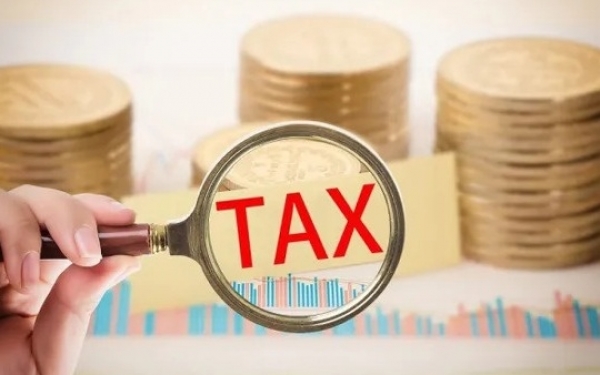
New Tax Regulations Impose Fines Up to 100 Million VND for Withholding Tax Information
July 23, 2023 - Today's economic highlights include new regulations imposing administrative penalties in the tax sector with fines reaching up to 100 million VND for concealing tax information, the transformation needs of Vietnam's wood industry, the importance of energy transition for businesses, and the critical role of the stock market in attracting capital for the national economy.
1. New Regulations Impose Hefty Fines for Concealing Tax Information
The Ministry of Finance has recently issued new regulations on administrative violations in the tax sector, imposing maximum fines of up to 100 million VND for concealing information and documents related to tax obligations. These regulations will take effect from September 1, 2023, aiming to strengthen tax management and ensure legal compliance.
Specifically, according to Decree 91/2023/NĐ-CP, the following violations will be subject to penalties:
- Concealing, destroying, or altering invoices, accounting documents
- Failing to issue or issuing incomplete invoices, documents
- Not storing invoices, documents as required
- Misrepresenting information in tax-related files and documents
| Violation Type | Penalty Amount (VND) |
|---|---|
| Concealing tax-related information and documents | 50,000,000 - 100,000,000 |
| Failing to issue or issuing incomplete invoices, documents | 20,000,000 - 40,000,000 |
| Not storing invoices, documents as required | 10,000,000 - 20,000,000 |
According to financial experts, these new regulations will place significant pressure on enterprises to enhance tax information transparency while helping tax authorities manage more effectively. Businesses will need to implement robust document management systems and ensure comprehensive record-keeping to avoid potential penalties.
2. Vietnam's Wood Industry Needs Deep Processing Transformation to Enhance Value
Currently, Vietnam's wood industry faces significant challenges as it confronts trade barriers and increasing demands for sustainable development. According to the Ministry of Industry and Trade, to enhance value and competitiveness, the wood industry must accelerate its transformation toward deep processing.
The latest report indicates that while Vietnam's wood and wood product exports reached approximately 14 billion USD in 2022, the majority consisted of raw materials or semi-processed products. Only about 30% were high-value-added products such as premium furniture and designer wood items.
| Product Type | Export Proportion | Value Addition Level |
|---|---|---|
| Raw and semi-processed wood products | 70% | Low |
| Standard furniture | 25% | Medium |
| Premium and designer wood products | 5% | High |
Experts recommend that Vietnamese wood enterprises focus on the following strategies:
- Investing in modern processing technology
- Developing unique design patterns
- Improving product quality
- Building independent brands
- Meeting international environmental and labor standards
The transformation toward deep processing would not only increase profit margins but also position Vietnam as a high-end furniture manufacturer in the global market, reducing dependence on raw material exports.
3. Energy Transition Becomes Inevitable Trend for Vietnamese Enterprises
In the context of climate change and Vietnam's net-zero commitment by 2050, energy transition has become an inevitable trend for Vietnamese businesses. According to the Ministry of Industry and Trade, approximately 70% of large enterprises have already developed plans to transition to clean energy.
Enterprises are actively investing in:
- Rooftop solar power systems
- Wind energy
- Energy-saving technologies
- Energy management systems
However, significant challenges remain in the transition process:
- High initial investment costs
- Lack of clean energy expertise
- Underdeveloped infrastructure
- Inconsistent support policies
According to a survey by the Vietnam Chamber of Commerce and Industry (VCCI), companies transitioning to clean energy can reduce energy costs by 15-30% while enhancing their brand image. The transition also helps enterprises comply with increasingly strict international environmental standards.
4. Stock Market Continues to Affirm Its Role in Capital Attraction
Vietnam's stock market continued its strong recovery in July, reinforcing its critical role in attracting capital for the national economy. According to the Hanoi Stock Exchange (HNX), the total trading value in the past week averaged 12 trillion VND per day.
Major indices showed positive growth:
| Index | Points | Change (%) |
|---|---|---|
| VN-Index | 1,240.56 | +2.3% |
| HNX-Index | 245.78 | +1.8% |
| UPCOM-Index | 98.23 | +1.2% |
In the first half of 2023, the stock market successfully mobilized approximately 150 trillion VND through stock and bond issuances. Leading sectors in capital mobilization included banking, real estate, and technology.
Financial experts predict that the stock market will continue to be a vital capital channel for enterprises in the coming period, particularly for technology companies and clean energy enterprises. The government's ongoing efforts to improve market infrastructure and regulations further support this positive outlook.
Conclusion
Today's economic news reflects significant trends shaping Vietnam's economy. From enhanced tax management to the transformation of the wood industry, the energy transition trend, and the stock market's capital attraction role, all indicate a positive shift toward a more transparent, sustainable, and efficient economy.
Enterprises must proactively adapt to these changes to leverage development opportunities in the evolving economic landscape. The government's regulatory adjustments and support mechanisms will play a crucial role in facilitating this transformation and ensuring sustainable economic growth.
#EconomicNews #TaxRegulations #WoodIndustry #EnergyTransition #StockMarket