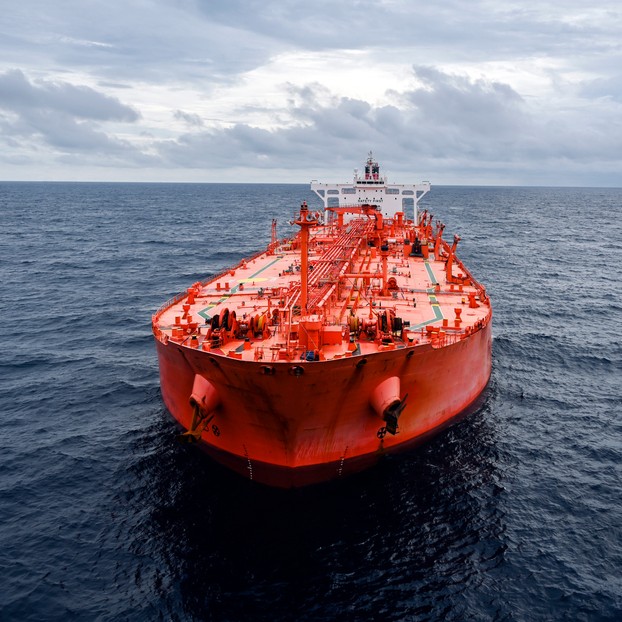
China Aggressively Purchases Russian Oil Amid Middle East Tensions Threatening Global Supply
The global oil market is witnessing significant volatility as regional tensions escalate, compelling Chinese refineries to seek alternative supply sources from Russia. This strategic shift comes at a critical time when Middle Eastern supply routes face increasing disruptions, potentially affecting global energy markets.
Chinese Buyers Accelerate Russian Oil Purchases
According to market sources familiar with the situation, Chinese refineries have purchased all crude oil cargoes scheduled for loading from Russia's Kozmino port in the Far East for August earlier than usual. This accelerated purchasing pattern emerges amid escalating risks to Middle Eastern oil supplies following recent attacks on oil tankers in the Red Sea.
Chinese buyers have swiftly secured these Russian cargoes at an accelerated pace, narrowing the discount for Russia's Far East ESPO blend to just $1 per barrel below ICE Brent benchmarks, compared to the previous 3-4 per barrel discount reported two weeks ago, according to Bloomberg's trade sources.
Middle East Tensions Disrupt Oil Flows
Two weeks ago, risks to Middle Eastern oil supplies resurfaced after a ceasefire was broken by Iranian attacks on vessels in the Strait of Hormuz. Since then, the United States has continuously targeted Iranian positions daily, Iran has launched missiles at US military bases and assets across the Middle East, and the US has reimposed sanctions aimed at blocking Iran's oil exports.
The Strait of Hormuz has once again been effectively closed, and the steady flow of oil tankers abruptly ended after just three weeks. This week, Brent crude prices have again reached the $100 per barrel mark as the Strait of Hormuz remains nearly paralyzed and Houthi forces, linked to Iran in Yemen, have targeted oil tankers in the Bab el-Mandeb Strait in the Red Sea.
China's Strategic Russian Oil Stockpiling
As a result, Chinese buyers have not wasted time in securing alternative supply options to replace potentially constrained Middle Eastern sources. Typically, they would wait until the deadline for loading next month's Russian ESPO crude, as the journey from Kozmino to China's east coast takes only one week.
However, with rising prices and growing concerns about limited Middle Eastern supplies at both major choke points, Chinese refineries prefer to stockpile Russian oil that takes just one week to reach their import ports.
Recent Oil Market Volatility
| Indicator | Pre-tension levels | Current status | Change |
|---|---|---|---|
| ESPO crude vs Brent | Discount of $3-4/barrel | Discount of $1/barrel | Improved by $2-3/barrel |
| Brent crude price | Below $100/barrel | Around $100/barrel | Significant increase |
| Strait of Hormuz status | Open | Closed | Complete closure |
Global Market Implications
China's shift in oil purchasing strategy is creating profound effects on the global oil market. The pivot toward Russian oil not only reflects geopolitical caution but also demonstrates the flexibility in China's energy security strategy, the world's most populous nation.
Meanwhile, the Middle Eastern situation continues to intensify with ongoing attacks on critical maritime routes. The Strait of Hormuz and the Bab el-Mandeb Strait remain significant concerns that could impact global oil supplies in the long term.
Future Outlook
Industry analysts predict that regional tensions could continue influencing oil prices in the coming months. Investors are closely monitoring political developments in the Middle East and diplomatic efforts that might help de-escalate the situation.
For China, diversifying oil supply sources may become a long-term strategy to mitigate risks from unstable regions. However, increased reliance on Russian oil could also present political challenges in the context of international sanctions.
Meanwhile, other Asian refiners may need to adjust their purchasing strategies to navigate market fluctuations, potentially creating shifts in global oil trade flows.
The return of oil prices to the $100 per barrel threshold could impact oil-importing economies while simultaneously accelerating efforts to develop renewable energy sources and improve energy efficiency worldwide.
Information provided by Tsvetana Paraskova for Oilprice.com
#oil_markets #energy_industry #china #russia #middle_east_tensions #brent_crude