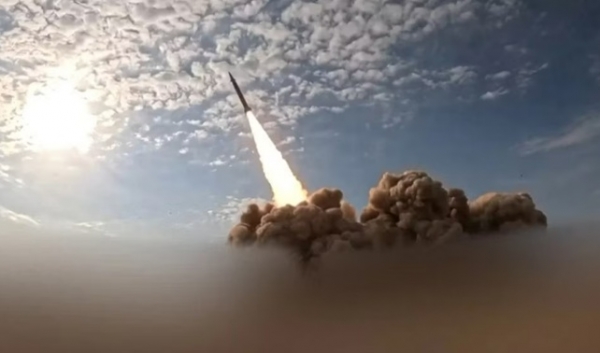
Iran Launches Coordinated Strikes Against US Military Assets in Strategic Middle East Locations
In a significant escalation of tensions across one of the world's most volatile regions, Iran conducted a series of coordinated military operations against United States military infrastructure and assets on July 27. The attacks, which targeted strategic locations throughout the Middle East, represent a dramatic intensification of the already complex geopolitical landscape in the region.
Geopolitical Context and Regional Tensions
The Middle East has long been a focal point of international security concerns, with competing interests from global powers and regional actors creating a delicate balance of power. Recent months have seen increasing friction between Iran and the United States, with both nations engaging in a series of tit-for-tat actions that have raised concerns among international observers about the potential for broader conflict.
Iran's decision to launch these attacks comes amid ongoing economic sanctions, diplomatic isolation, and what Iranian officials describe as "provocative military activities" by the United States and its allies in the region. The strikes demonstrate Iran's continued commitment to what it terms "defensive sovereignty" in the face of what it perceives as external threats.
| Attack Details | Information |
|---|---|
| Date of Operations | July 27, 2023 |
| Primary Targets | US military bases, radar installations, and logistical convoys |
| Weapons Systems Used | Ballistic missiles, cruise missiles, and unmanned aerial vehicles (UAVs) |
| Geographic Scope | |
| Claimed Success Rate | Iranian sources report 90% accuracy rate against designated targets |
Technical Analysis of the Iranian Operations
Military analysts examining the attacks have identified several noteworthy aspects of Iran's operational approach. The coordinated nature of the strikes suggests careful planning and execution, with multiple weapon systems employed simultaneously to maximize impact while potentially overwhelming defensive countermeasures.
According to defense specialists, Iran appears to have utilized a combination of short and medium-range ballistic missiles, along with newly developed cruise missiles capable of evading some detection systems. The inclusion of unmanned aerial vehicles in the attack matrix represents a significant evolution in Iran's tactical capabilities, providing both reconnaissance and strike capabilities with reduced risk to personnel.
Detailed Assessment of Targeted Infrastructure
The attacks specifically focused on critical military infrastructure that forms the backbone of US operations in the region. These targets were selected not only for their strategic value but also for their symbolic importance in demonstrating Iran's reach and capabilities.
| Target Category | Specific Assets Affected | Reported Damage Assessment | Strategic Significance |
|---|---|---|---|
| Forward Operating Bases | Command centers, barracks, and maintenance facilities | Significant structural damage; multiple buildings destroyed | Disruption of command and control capabilities |
| Surveillance Systems | Early warning radar installations and monitoring stations | Primary radar arrays rendered inoperable; backup systems damaged | Temporary blind spots in regional monitoring capabilities |
| Logistical Convoys | Complete destruction of multiple vehicles | Disruption of supply chains and reinforcement capabilities | |
| Auxiliary Facilities | Communication hubs and power stations | Partial to complete destruction depending on location | Compromised operational sustainability |
International Reactions and Diplomatic Fallout
The attacks have triggered swift and varied responses from the international community, with stakeholders across the globe expressing concern about the potential for further escalation.
United States Response
In an address to the nation, US officials condemned the attacks as "unprovoked and destabilizing," emphasizing that they represented a direct threat to American personnel and interests in the region. The Pentagon has confirmed that assessments of the damage are ongoing, with initial reports indicating significant material losses but no immediate casualties among US personnel.
The Biden administration has indicated that multiple response options are being considered, ranging from additional economic sanctions to potential military reprisals. National Security Council spokespersons have emphasized that "all options remain on the table" while simultaneously calling for de-escalation through diplomatic channels.
Regional Reactions
| Country | Official Position | Strategic Implications |
|---|---|---|
| Israel | "Strong condemnation" with increased military alert status | Heightened preparedness for potential spillover effects |
| Saudi Arabia | Expressed "deep concern" about regional stability | Reinforced diplomatic efforts to contain conflict |
| United Arab Emirates | Called for "restraint and dialogue" | Positioning as regional mediator |
| Qatar | Offered to facilitate diplomatic negotiations | Leveraging diplomatic relationships to reduce tensions |
| Turkey | Cautioned against "military escalation" | Emphasis on diplomatic resolution of disputes |
Global Reactions
The United Nations Security Council has called an emergency session to address the situation, with Secretary-General António Guterres expressing "grave concern" about the potential for wider conflict. European Union officials have issued statements urging restraint from all parties, while China and Russia have called for a "comprehensive dialogue" to address the underlying issues driving tensions in the region.
Strategic Implications and Future Outlook
The attacks represent a significant escalation in the ongoing shadow conflict between Iran and the United States, with potentially far-reaching consequences for regional security and global stability. Military analysts suggest that Iran's demonstration of precision strike capabilities may fundamentally alter the strategic calculus in the region, potentially emboldening other actors to challenge US military presence.
Energy markets have already reacted to the heightened tensions, with crude oil prices experiencing volatility as concerns grow about potential disruptions to supply routes through the Strait of Hormuz, through which approximately 20% of global oil shipments pass.
Diplomatic observers note that the current situation presents both significant challenges and potential opportunities for renewed engagement. The immediate focus appears to be on preventing further escalation, but long-term solutions will likely require addressing the complex web of security concerns, economic interests, and political ambitions that have contributed to the current crisis.
As the situation continues to evolve, international leaders face the difficult task of balancing immediate security concerns with the need for sustainable diplomatic solutions that address the root causes of regional instability.