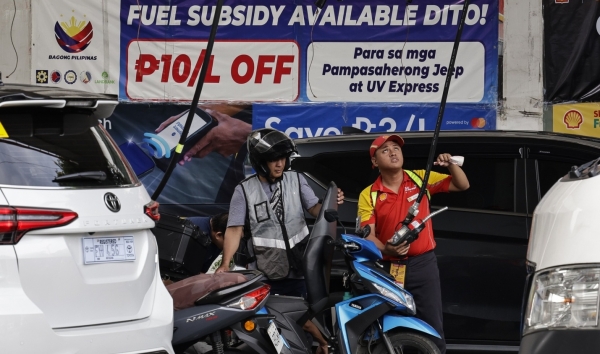
Southeast Asia Faces Potential Fuel Shock from Escalating US-Iran Conflict
In the context of escalating geopolitical tensions in the Middle East with direct confrontations between the United States and Iran, Southeast Asia stands at risk of facing a new energy shock. Experts warn that while governments in the region have made efforts to mitigate impacts in recent months, their capacity to respond remains severely limited.
Background of Escalating Tensions
The renewed military engagement between the US and Iran in recent weeks has raised concerns about global energy supply instability. Iran, one of the world's largest oil exporters, has become the focal point of tensions following Washington's imposition of severe economic sanctions and increased military presence in the region.
Recent military confrontations, including the downing of an American drone and retaliatory actions, have caused significant volatility in global oil markets. Crude oil prices have surged to multi-month highs, creating pressure on energy-importing economies like those in Southeast Asia.
Impact on Southeast Asia
The Southeast Asian region, with most countries being net energy importers—particularly of oil—remains vulnerable to energy price shocks. According to experts, although regional governments have made significant efforts in recent months to mitigate impacts, their coping capabilities remain extremely limited.
Current Situation Analysis
Southeast Asian nations have faced numerous challenges in ensuring energy security, especially following the outbreak of the Russia-Ukraine conflict. However, the new situation with heightened tensions between the US and Iran presents more complex challenges:
- Rising oil prices increase import costs, affecting trade balances
- Inflation increases due to higher transportation and production costs
- Pressure on budgets from increased fuel subsidies
- Risks to economic growth from reduced domestic demand
| Country | Oil Import Dependency (% of total demand) | Potential Impact from Rising Oil Prices | Current Response Policies |
|---|---|---|---|
| Vietnam | ~90% | Moderate | |
| Thailand | ~85% | High | Reducing subsidies, encouraging energy conservation |
| Philippines | ~95% | Very High | Strategic reserve enhancement, alternative sourcing |
| Indonesia | ~30% | Low | Increasing domestic production, developing biofuels |
Limitations in Coping Capabilities
According to analysts, although Southeast Asian governments have made significant efforts, numerous limitations remain in their ability to cope with energy shocks:
- Infrastructure limitations: Many countries lack strategic petroleum reserves, making it difficult to ensure stable supply
- Dependence on narrow shipping lanes: Approximately 40% of oil shipments pass through the Malacca Strait, a narrow corridor vulnerable to disruptions
- Limited financial capacity: Many nations lack the financial resources to maintain fuel subsidies when prices surge
- Lack of regional cooperation: Insufficient effective mechanisms for sharing supply and mitigating common risks
Scenario Forecast
Experts have outlined several potential scenarios for Southeast Asia amid continuing US-Iran tensions:
| Scenario | Probability | Economic Impact | Policy Recommendations |
|---|---|---|---|
| Oil prices rise 20-30% | High (60%) | Inflation increases 1.5-2.5%, GDP declines 0.5-1% | Targeted subsidy reductions, increased fuel taxes |
| Oil prices rise 30-50% | Moderate (30%) | Inflation 2.5-4%, GDP decline 1-2% | Enhanced regional cooperation, use of strategic reserves |
| Supply crisis | Low (10%) | Inflation over 5%, GDP decline 2-3% | Establish emergency supply-sharing mechanisms |
Feasible Solutions
To mitigate the potential impact of a fuel shock, experts have proposed several feasible solutions for Southeast Asian nations:
Short-term Measures
- Strengthen cooperation with oil suppliers outside the Middle East to diversify sources
- Utilize strategic petroleum reserves when necessary
- Implement flexible pricing policies to reduce budget pressure
- Enhance regional cooperation for information sharing and supply allocation
Long-term Strategies
- Invest in renewable energy to reduce fossil fuel dependence
- Develop sustainable and efficient energy infrastructure
- Promote regional cooperation in the energy sector
- Invest in energy-saving technologies and clean energy transition
Conclusion
The escalating tensions between the US and Iran pose significant challenges to energy security in Southeast Asia. While governments have made considerable efforts in recent times, limitations in infrastructure, financial capacity, and regional cooperation remain substantial barriers. To effectively cope with future energy shocks, Southeast Asian nations need to strengthen cooperation, diversify supply sources, and accelerate the transition to renewable energy.
Building a sustainable and secure energy region is not only an urgent requirement to address current geopolitical risks but also a critical factor for ensuring long-term economic growth across the region.
#SoutheastAsia #USIran #Energy #GeopoliticalConflict #EnergySecurity #OilMarket #SoutheastAsianEconomy