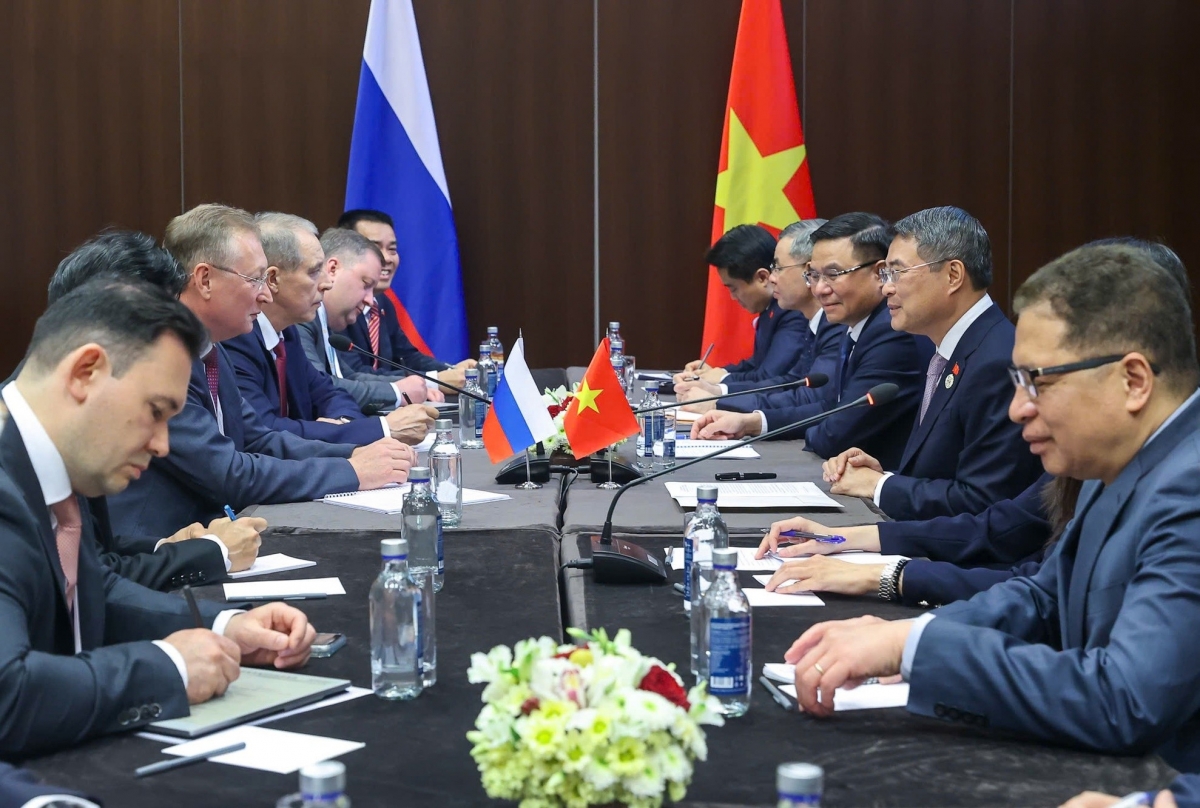
Vietnam-Russia Energy Cooperation: Prime Minister Lê Minh Hưng Meets Zarubezhneft CEO
In a significant development for bilateral energy relations, Vietnamese Prime Minister Lê Minh Hưng held a crucial meeting with Mr. S Kudryashov, General Director of the Russian energy company Zarubezhneft, on the sidelines of the ASEAN-Russia Commemorative Summit marking 35 years of diplomatic relations in Kazan, Republic of Tatarstan, Russian Federation. This high-level engagement presents substantial opportunities for energy collaboration between Vietnam and Russia.
Background: The ASEAN-Russia Summit and Its Strategic Importance
The ASEAN-Russia Summit in Kazan occurs at a pivotal moment, commemorating 35 years of diplomatic relations while charting a course for future cooperation between the Association of Southeast Asian Nations (ASEAN) and the Russian Federation. This milestone event serves as a platform for member states to evaluate past achievements, address contemporary challenges, and define strategic directions for enhanced partnership across multiple sectors.
As an active ASEAN member with historically friendly relations with Russia, Vietnam has played a constructive role in promoting multilateral cooperation. Prime Minister Lê Minh Hưng's participation underscores Vietnam's commitment to strengthening and expanding its comprehensive strategic partnership with Russia, particularly in the critical energy sector that underpins national development and security.
Understanding Zarubezhneft: A Russian Energy Powerhouse
| Information | Details |
|---|---|
| Full Name | JSC Zarubezhneft |
| Core Business | Oil and gas exploration, production, and energy development |
| Established | 1967 |
| Headquarters | Saint Petersburg, Russian Federation |
| International Presence | Active in multiple countries, including Vietnam |
| Technological Expertise | Advanced exploration techniques, enhanced oil recovery methods |
Zarubezhneft stands as one of Russia's leading energy enterprises, boasting over 50 years of experience in the oil and gas sector. The company has participated in numerous international energy projects, including those in Vietnam, demonstrating its technological capabilities and extensive experience in hydrocarbon exploration and production. With a proven track record in complex geological environments, Zarubezhneft brings valuable expertise to potential collaborations with Vietnamese partners.
Meeting Highlights: Key Discussion Points
The meeting between Prime Minister Lê Minh Hưng and Mr. S Kudryashov focused on bilateral cooperation opportunities, with particular emphasis on energy sector development. Both sides engaged in substantive discussions regarding potential joint projects in oil and gas, renewable energy development, and advanced energy technology transfer.
Key Areas of Discussion:
- Collaboration in oil and gas exploration and production in promising offshore and onshore blocks
- Development of renewable energy projects combining Russian technology with Vietnamese implementation capabilities
- Technology transfer for crude oil processing and enhanced recovery techniques
- Human resource development and specialized training programs for energy sector professionals
- Research and development partnerships for sustainable energy solutions
Strategic Context for Vietnam's Energy Cooperation with Russia
This meeting occurs as Vietnam intensifies efforts to develop its domestic energy sector while seeking international partners with advanced technological capabilities. As Vietnam's economy continues to grow, so does its energy demand, necessitating strategic partnerships that can provide both immediate production capabilities and long-term technological advancement.
Energy cooperation with Russia aligns with Vietnam's strategy to diversify energy sources, reduce dependence on traditional suppliers, and enhance national energy security. The Russian energy sector offers technological expertise in areas where Vietnam seeks to develop capabilities, particularly in deep-water exploration and enhanced oil recovery techniques.
Significance of the Engagement
The meeting between Prime Minister Lê Minh Hưng and the Zarubezhneft leadership holds considerable significance in Vietnam's broader energy diplomacy. As Vietnam continues to develop its domestic energy resources, partnerships with established energy companies like Zarubezhneft provide access to cutting-edge technologies and best practices in the oil and gas industry.
Furthermore, this engagement reflects Vietnam's strategic approach to energy cooperation, balancing traditional partnerships with emerging opportunities in both conventional and renewable energy sectors. The involvement of Russian energy companies in Vietnam's energy landscape contributes to technology transfer, knowledge sharing, and capacity building in the domestic energy sector.
Future Cooperation Prospects
Building on the outcomes of this meeting, both sides have agreed to advance specific collaborative projects in the coming period. The potential areas of cooperation span multiple segments of the energy value chain, offering comprehensive opportunities for partnership.
| Sector | Potential Areas of Cooperation |
|---|---|
| Oil and Gas | Exploration and production in new blocks, application of enhanced oil recovery (EOR) technologies, development of marginal fields |
| Renewable Energy | Offshore wind farm development, solar power projects, green hydrogen technology implementation |
| Energy Infrastructure | LNG terminal construction, modern power transmission systems, energy storage solutions |
| Technology Transfer | |
| Sustainable Development | Carbon capture and storage (CCS) implementation, methane emission reduction, energy efficiency projects |
Expected Benefits of the Partnership
The collaboration between Vietnam and Russian energy companies like Zarubezhneft is expected to yield multiple benefits. Economically, such partnerships can enhance Vietnam's energy security, increase domestic production, and create value-added jobs in the energy sector. Technologically, Vietnam gains access to advanced exploration and production techniques that can extend the productive life of existing fields and develop new resources more efficiently.
Environmentally, cooperation in renewable energy and carbon reduction technologies supports Vietnam's commitment to sustainable development and its international climate obligations. The transfer of Russian expertise in energy efficiency and emissions reduction can help Vietnam meet its growing energy demand while minimizing environmental impact.
Implementation Framework and Timeline
While specific project timelines are still being developed, the meeting established a framework for cooperation that includes:
- Joint feasibility studies for priority projects
- Development of roadmaps for technology transfer and human resource development
- Establishment of working groups to advance specific initiatives
- Coordination mechanisms for policy alignment and regulatory cooperation
Conclusion: A New Chapter in Vietnam-Russia Energy Relations
The meeting between Prime Minister Lê Minh Hưng and Zarubezhneft's leadership represents a significant step forward in Vietnam-Russia energy cooperation. As both countries navigate the evolving global energy landscape, this partnership offers a pathway to mutual benefit through technology sharing, joint development projects, and capacity building.
For Vietnam, collaboration with established Russian energy companies provides access to critical technologies and expertise needed to develop its energy resources sustainably. For Russia, partnerships with Vietnam offer opportunities to apply its technological strengths in a rapidly growing Asian market while contributing to global energy security.
As the global energy transition accelerates, the Vietnam-Russia energy partnership is well-positioned to evolve beyond traditional oil and gas cooperation into comprehensive collaboration across the entire energy spectrum, including renewable energy, energy efficiency, and sustainable development technologies.
This high-level engagement sets the stage for what could become a model for international energy cooperation—combining Russian technological expertise with Vietnamese implementation capabilities to address shared energy challenges while creating economic value and contributing to sustainable development goals.