Germany Considers Extending Oil Reserve Reduction Amid Market Stabilization
In a significant development reflecting ongoing concerns about global energy security, Germany is reportedly reconsidering its approach to strategic petroleum reserves. The Berlin government has indicated hesitation regarding the conclusion of its oil reserve exemption, with officials now considering the possibility of temporarily extending the reduction in national oil reserve requirements beyond the current deadline of August 31.
This strategic deliberation occurs against the backdrop of international markets celebrating the recent agreement between the United States and Iran, as well as growing expectations regarding the potential reopening of the strategically vital Strait of Hormuz. The juxtaposition of these market celebrations and Germany's cautious approach highlights the complex nature of energy security planning in an increasingly volatile geopolitical landscape.
Analysis of Current Oil Supply Landscape
While German authorities publicly assert that the country is not experiencing any physical shortages of petroleum products, the reality of continued policy discussions suggests otherwise. Governments typically do not maintain discussions about emergency measures when they are entirely comfortable with the current situation. This apparent contradiction between public statements and private deliberations underscores the nuanced approach energy policymakers must take when balancing market confidence with genuine security concerns.
Germany's Participation in International Emergency Response
Just this past March, Germany actively participated in the International Energy Agency's (IEA) coordinated emergency response to potential supply disruptions. The country supported the unprecedented release of 400 million barrels from strategic reserves across member nations. This collective action represented one of the largest coordinated releases in history and was specifically triggered by concerns about potential supply disruptions following heightened tensions in the Middle East.
The German contribution to this international effort amounted to 19.5 million barrels from its own strategic petroleum reserves. This significant release underscored the country's commitment to both international energy cooperation and domestic energy security, demonstrating that even major industrial economies remain vulnerable to supply shocks in an interconnected global market.
Quantitative Overview of Strategic Reserve Release
| Country | Oil Released (million barrels) | Percentage of Total Release |
|---|---|---|
| Germany | 19.5 | 4.9% |
| Total IEA Member Countries | 400 | 100% |
It's important to note that only a small portion of the released oil was directly supplied to the open market, while the majority of Germany's strategic reserves remain intact and available for future contingencies. However, the fact that senior German officials are now debating the possibility of extending the reserve reduction period indicates that concerns about European energy security have not disappeared, despite diplomatic progress between Washington and Tehran.
Current Market Dynamics and Price Trends
The global oil market has responded positively to diplomatic developments, with prices reflecting growing confidence in supply stability. Benchmark Brent crude prices have fallen below $80 per barrel, marking a significant decrease from earlier highs. This price decline reflects traders' actions to dismantle war risk premiums embedded in previous pricing and their increasing bets on a swift recovery of Middle Eastern oil supplies.
However, market optimism may be premature. The Strait of Hormuz, through which approximately 20% of global oil supplies pass, remains subject to geopolitical tensions and is not yet fully operational from a security perspective. Major shipping and insurance companies continue to exercise caution, and the millions of barrels of oil per day that were halted in the Gulf region will not return to markets immediately due to logistical constraints and ongoing safety concerns.
Germany's Evolving Energy Security Strategy
Through recent experiences, Germany has learned valuable lessons about the nature of energy crises in the 21st century. The country has come to understand that energy security challenges are often less about the absolute ability to supply oil and more about the capacity to transport it to where it's needed through secure and reliable infrastructure.
Over the past several years, Germany has been forced to make substantial adjustments to its energy supply chain following the loss of traditional supply routes from Russia. This has involved redirecting crude oil imports from diverse sources, seeking alternative transportation methods, and developing contingency plans for refineries that historically depended on pipelines running through Russian territory.
Recent Challenges and Adaptations
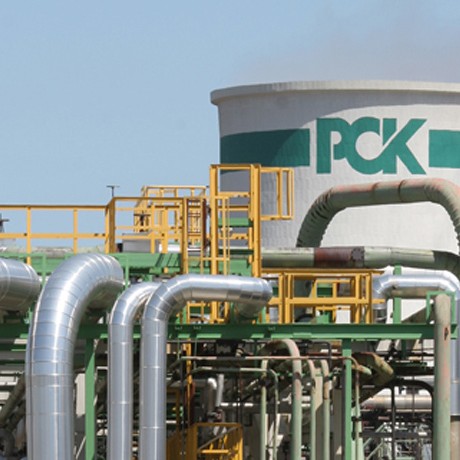
Earlier this year, Berlin once again faced supply chain disruptions when incidents threatened crude oil deliveries to the Schwedt refinery, a critical facility in Germany's energy infrastructure. This event prompted renewed efforts to identify and secure alternative transportation routes, further highlighting the vulnerability of even the most advanced industrial economies to logistical challenges in global energy markets.
These experiences have shaped Germany's current approach to energy security, emphasizing diversification, strategic reserve management, and infrastructure resilience. The country's consideration of extending its oil reserve reduction should be viewed within this context of cautious adaptation to an increasingly uncertain global energy landscape.
Future Implications for Oil Supply Management
While oil market participants may be pricing in a rapid return to normal market conditions, Germany's apparent preparation for extended supply chain disruptions suggests a more cautious outlook. This divergence between market expectations and policy planning highlights the complex challenges faced by energy policymakers who must balance immediate market signals with longer-term security considerations.
These developments reveal a fundamental truth about modern energy management: effective supply security is not merely about maintaining adequate quantities of resources but also ensuring reliable transportation and distribution capabilities across complex global networks. Germany's approach exemplifies this nuanced understanding, demonstrating that strategic energy planning must evolve to address the multifaceted nature of contemporary energy security challenges.
As global energy markets continue to evolve amid geopolitical shifts and climate transitions, the approaches taken by major economies like Germany will likely influence international energy security frameworks for years to come. The ongoing consideration of reserve management policies represents just one element of a broader strategic reassessment that may reshape global energy relationships in the coming decade.
By Julianne Geiger for Oilprice.com