Technology and Energy Conflict Solutions in the Middle East: Challenges and Opportunities
The escalating conflict between Israel and Hezbollah in southern Lebanon has posed significant challenges to the fragile U.S.-Iran peace process while causing substantial volatility in the global energy market. This event represents not merely a geopolitical crisis but also underscores the critical need for advanced technological solutions in monitoring, predicting, and resolving energy-related conflicts.
Conflict Context and Impact on Energy Markets
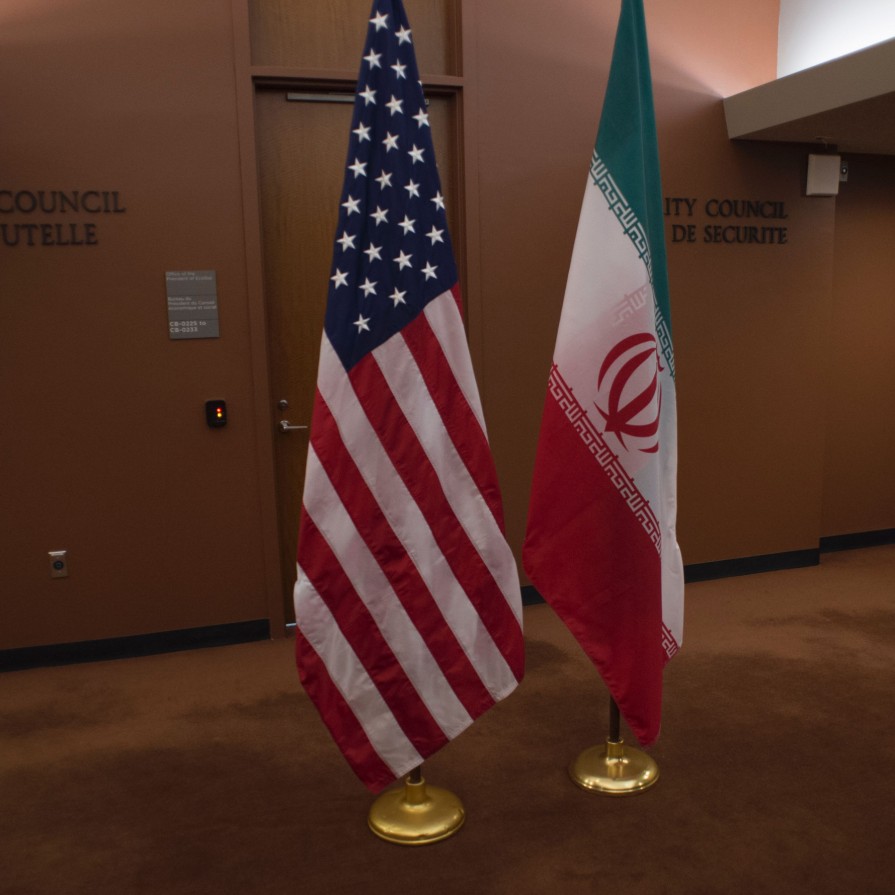
Israel and Hezbollah reached a ceasefire agreement on Friday following days of escalating hostilities, raising concerns about the potential collapse of the already fragile U.S.-Iran peace process. Negotiations between Washington and Tehran are scheduled to commence within a 60-day framework, aimed at ending the war, reopening the Strait of Hormuz, and restoring oil supplies that have been disrupted by millions of barrels daily.
The oil market reacted strongly. After declining from over $100 per barrel in May to below $77 early this week, Brent crude prices rebounded above $80 on Friday as traders reassessed the region's true stability.
Conflict Monitoring Technology and Risk Forecasting
In the complex geopolitical landscape of the Middle East, monitoring and analysis technologies play a pivotal role in forecasting risks to the energy market. AI systems and big data analytics are being utilized to:
- Monitor military activities in real-time through satellites and sensors
- Analyze news and social media to detect signs of escalating tensions
- Build geopolitical risk models for energy markets
- Automate early warning systems for investors and policymakers
These technologies enable the market to respond more quickly to geopolitical fluctuations, as evidenced by the oil price recovery following news of the Israel-Hezbollah conflict.
Technology in the Modern Oil Industry
Technology is reshaping the entire oil and gas value chain, from exploration and extraction to transportation and distribution:
- Exploration and Extraction Technology: AI systems help optimize drilling locations, reduce costs, and increase efficiency
- Transportation Technology: Automated monitoring systems for oil tankers, precise positioning technology to ensure maritime security
- Storage Technology: Smart inventory management systems, automated security monitoring for energy infrastructure
- Energy Efficiency Technology: Technological solutions to optimize energy performance across the entire supply chain
Oil Price Volatility and Technological Impact
The two-week decline in oil prices reflected growing confidence that Middle Eastern supply disruptions would soon become a thing of the past. However, every ceasefire, armistice, or memorandum comes with a question mark.
The Strait of Hormuz may be heading toward reopening, but the Middle East remains a work in progress. Technology plays a crucial role in:
- Analyzing market data to forecast price fluctuations
- Optimizing the global energy supply chain
- Developing alternative energy solutions to reduce dependence on vulnerable region supplies
- Building backup systems and emergency response capabilities
Future Technology in Energy Conflict Resolution
In the face of complex geopolitical challenges, technology is opening new pathways:
- AI and Market Forecasting: Machine learning algorithms are becoming increasingly accurate in predicting oil price fluctuations based on geopolitical data
- Renewable Energy Technology: Reducing dependence on oil supplies from conflict-prone regions
- Blockchain in Energy Trading: Increasing transparency and efficiency in the global energy market
- Cybersecurity Monitoring Technology: Protecting energy infrastructure from growing cyber threats
Oil Price Volatility Analysis (USD/barrel)
| Time Period | Brent Crude Price | Change | Primary Cause |
|---|---|---|---|
| May | Above $100 | - | OPEC+ production limits |
| Early this week | Below $77 | Sharp decrease | Assessment of reduced conflict |
| Friday | Above $80 | Recovery | Israel-Hezbollah conflict |
Conclusion: Technology as the Key to Stability
The conflict between Israel and Hezbollah clearly demonstrates that the global energy market remains vulnerable to geopolitical fluctuations. In this context, technology serves not only as a tool to optimize oil and gas industry operations but as a critical solution to enhance monitoring, forecasting, and response to risks.
While ceasefire agreements may provide space for diplomats, they do not resolve the underlying tensions that caused the initial conflict. Only through the combination of diplomacy and advanced technology can we move toward a more stable and sustainable energy market in the volatile Middle East region.
The development of technology in the energy sector is not merely an economic efficiency issue but a critical factor for global energy security in an increasingly dependent world on geographically sensitive resources.