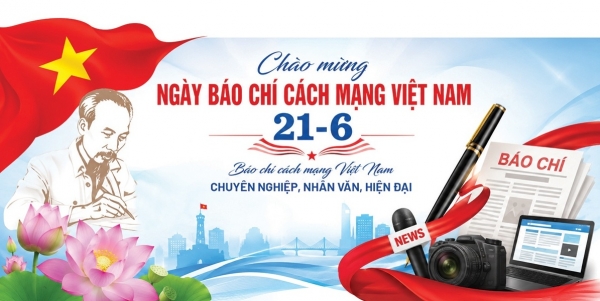
Towards a Professional, Humanistic, and Modern Press Landscape
In the contemporary social landscape, Vietnam's press industry is undergoing profound transformations. This year, Vietnamese journalism celebrates a significant milestone amid numerous changes, opportunities, and challenges. The flame ignited by the esteemed leader Ho Chi Minh (originally Nguyen Ai Quoc), a distinguished journalist, on June 21, 1925, continues to burn brightly and radiantly in this new era. As we navigate the complexities of the digital age, the principles of professional, humanistic, and modern journalism remain as relevant as ever, guiding the industry through its evolution.
Contemporary Challenges Facing Modern Journalism
The modern press landscape confronts several significant challenges that test the resilience and adaptability of media organizations worldwide:
- Disinformation and Fake News: The proliferation of social media platforms has facilitated the rapid dissemination of misleading information, making source verification more challenging than ever before. This phenomenon not only undermines public trust but also creates a polarized information ecosystem where factual reporting competes with sensationalism and propaganda.
- Fierce Competition: The emergence of new media platforms such as blogs, vlogs, and social media applications has created an intensely competitive environment for traditional media outlets. This competition has compressed traditional revenue streams while simultaneously raising audience expectations for immediate, accessible content.
- Technological Innovation: The digital revolution demands that journalists rapidly adapt and update their knowledge to deliver information that is both timely and accurate. This includes mastering new storytelling formats, data visualization techniques, and multimedia production skills while maintaining journalistic integrity.
- Economic Sustainability: Traditional business models for journalism are being disrupted by digital distribution, creating financial pressures that threaten the viability of independent, quality journalism.
- Ethical Dilemmas: The pressure to generate traffic and engagement often creates ethical tensions between maintaining journalistic standards and optimizing for digital metrics.
Opportunities for Growth and Development
Despite these challenges, Vietnam's press industry stands at the threshold of numerous developmental opportunities that can reshape its future trajectory:
- Digital Technology Advancement: The rapid development of digital technologies has opened new channels for information dissemination, enabling press organizations to reach audiences more effectively than ever before. This includes mobile-first strategies, artificial intelligence for content personalization, and blockchain for ensuring content integrity.
- Enhanced Professionalism: Growing demand for high-quality information has motivated press institutions to invest in human resource development and content quality enhancement. This includes specialized training programs, cross-disciplinary education, and the establishment of professional certification standards.
- Community Building: Media platforms can play a crucial role in connecting and building communities, creating spaces for people to share opinions and perspectives. This participatory journalism model can foster greater public engagement and create more inclusive media ecosystems.
- Global Integration: Vietnam's press industry has opportunities to integrate with global media networks, sharing best practices and collaborative reporting on transnational issues.
- Innovative Revenue Models: The development of subscription-based platforms, membership programs, and value-added services offers sustainable alternatives to traditional advertising models.
Future Directions for a Modern Press Landscape
To advance toward a professional, humanistic, and modern press landscape, clear strategic directions must be established:
| Strategic Direction | Objectives | Implementation Approaches |
|---|---|---|
| Enhanced Training and Education | Equip journalists with necessary knowledge and skills for the digital era | • Establish specialized journalism schools • Develop continuous education programs • Create cross-disciplinary training opportunities |
| Strengthened Information Verification | Minimize misinformation and enhance source credibility | • Implement fact-checking protocols • Develop verification technologies • Promote media literacy initiatives |
| Community Relationship Building | Create open spaces for public participation and contribution | • Develop citizen journalism platforms • Establish community advisory boards • Create participatory content models |
| Technological Innovation Adoption | Leverage new technologies to enhance journalism quality and reach | • Invest in digital transformation • Develop AI-assisted reporting tools • Create immersive storytelling experiences |
| Ethical Framework Development | Establish clear ethical guidelines for digital journalism | • Update professional codes of conduct • Develop platform-specific ethical guidelines • Create accountability mechanisms |
The Path Forward: Honoring Tradition While Embracing Innovation
The celebration of journalism's heritage is not merely an occasion to reflect on the development of Vietnamese journalism but an opportunity for journalists, media managers, and audiences to collectively envision a brighter future. The spirit and flame ignited by Ho Chi Minh continue to inspire the press community to maintain its commitment to truth, public service, and social progress.
In this digital transformation era, the press industry must balance its traditional values with innovative approaches. This includes preserving the core principles of accuracy, objectivity, and public interest while embracing new technologies and distribution methods that enhance accessibility and engagement.
The future of Vietnamese journalism lies in its ability to adapt to changing media landscapes without compromising its essential mission. By investing in human capital, technological infrastructure, and ethical frameworks, the press industry can navigate the challenges of the modern era while continuing to serve as a vital pillar of democracy and social development.
As we move forward, the collaboration between media professionals, policymakers, technology providers, and the public will be essential in shaping a press landscape that is not only professional and modern but also deeply humanistic—serving the public interest with integrity, compassion, and excellence.