Iraq Pursues Alternative Oil Routes Through Syria Amid Hormuz Uncertainty
In a strategic move aimed at diversifying energy export channels, Iraq is implementing plans to transport crude oil and naphtha through Syria's Mediterranean port of Baniyas. This initiative represents a significant shift in the country's energy export strategy, emerging as a permanent solution following the disruption caused by the near-closure of the Strait of Hormuz earlier this year. The development comes as Iraq seeks to avoid being caught in a vulnerable position of dependency on the Hormuz route, which had led to storage tanks reaching capacity during recent tensions.
Strategic Diversification of Export Routes
According to information obtained from Reuters, Iraqi officials have confirmed that the new export route through Syria will continue to operate even after normal shipping through the Strait of Hormuz resumes. This decision clearly demonstrates Iraq's commitment to diversifying its export pathways and reducing geopolitical vulnerabilities that have long threatened its energy sector.
The move follows a period of intense uncertainty in global energy markets when tensions in the Persian Gulf nearly closed one of the world's most critical oil shipping lanes. The crisis prompted urgent contingency planning from major oil producers, with Iraq exploring multiple alternatives to maintain its export capacity.
| Export Information | Data |
|---|---|
| Daily crude oil exports | 3.6 million barrels |
| Exports through Hormuz | 3.4 million barrels |
| Projected exports through Syria | 50,000 barrels from July |
Risk Mitigation and Infrastructure Development
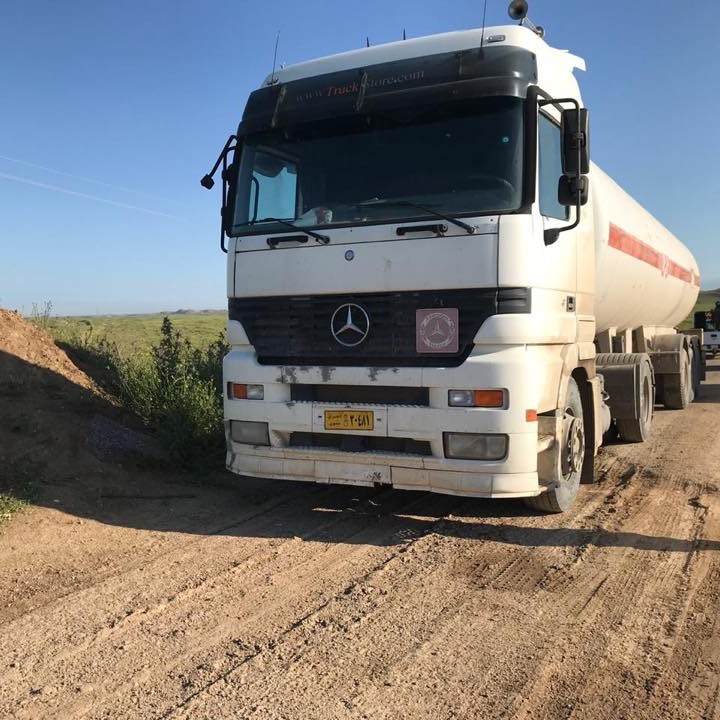
When the Strait of Hormuz faced near-closure in early 2024, one of OPEC's largest producers found itself confronting a scenario that policymakers had long considered hypothetical. The initial exports through Syria are scheduled to commence as early as July at approximately 50,000 barrels per day, while shipments of petroleum products have already been transported by truck to Baniyas for export to European and African markets.
Syria is actively expanding its port facilities and preparing additional offloading infrastructure to handle the increasing volume of oil products. This development is part of a broader trend emerging across the Middle Eastern region, where nations are reassessing their energy security strategies in light of recent geopolitical tensions.
Regional Investment Trends in Energy Infrastructure
The Iraqi initiative reflects a broader pattern of investment in alternative export routes across the Middle East:
- Saudi Arabia has increasingly relied on the East-West pipeline during Hormuz disruptions
- The UAE is actively promoting plans to expand export capacity outside the Hormuz corridor
- Iraq is exploring multiple routes through both Syria and Turkey
- Other regional producers are investing in pipeline networks and alternative port facilities
Across the region, energy producers are investing in alternatives rather than assuming Hormuz will always remain accessible. Recent events have done little to restore confidence in the reliability of this critical waterway, with continuing political tensions creating persistent uncertainty for global energy markets.
Current Market Dynamics and Future Outlook
Despite initial market celebrations over the apparent reopening of Hormuz, reality quickly intervened. Negotiations scheduled for Friday in Switzerland were postponed before they could begin, and Iran's Islamic Revolutionary Guard Corps (IRGC) warned vessels against entering the strait, citing alleged violations of a newly signed agreement. This has kept oil tanker operators cautious about returning to the world's most politically sensitive shipping route.
The result is an increasing regional focus on creating export capacity redundancy, aiming to avoid dependency on any single transit route. This strategic shift is reshaping infrastructure investments and long-term planning across the energy sector in the Middle East.
These developments signal an uncertain future for Iraq's oil industry and the broader Middle Eastern energy landscape as nations begin seeking more sustainable solutions to ensure energy security. The Syrian route represents not just an immediate response to a crisis, but potentially a permanent feature of Iraq's diversified export strategy in an increasingly volatile geopolitical environment.