Energy Independence: The Foundation of National Strength
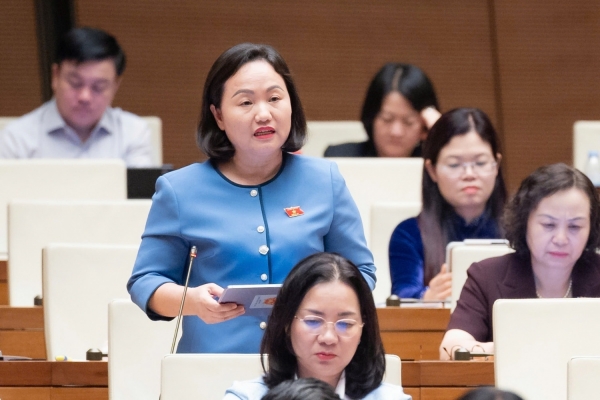
In a world of increasing volatility and rising energy demands, ensuring national energy security has become a critical issue for Vietnam's sustainable development. In an interview with PetroTimes, National Assembly Deputy Pham Thuy Chinh - Vice Chairman of the National Assembly's Economic and Finance Committee - emphasized the strategic importance of building an independent energy sector, viewing it as the core foundation of national strength in the modern era.
Energy Security: A Vital Factor in the New Context
Deputy Pham Thuy Chinh stated that as the global community faces numerous energy security challenges - from geopolitical conflicts to climate change - ensuring a stable, safe, and efficient energy supply is not just an economic issue but a top national security priority.
"Energy is the lifeblood of the economy and the driving force for all production and daily activities. A nation cannot achieve sustainable development if it overly depends on imported energy. Vietnam needs to establish a long-term energy strategy with a strategic vision, where energy independence must be placed at the center," Ms. Chinh emphasized.
Strategic Solutions to Build Energy Independence
According to Deputy Pham Thuy Chinh's perspective, building an independent energy sector requires implementing multiple strategic solutions in coordination:
- Diversifying energy sources: Not only focusing on traditional sources but also developing renewable energy sources such as wind power, solar power, small-scale hydropower, biomass, etc., combined with future nuclear energy development when conditions are sufficient.
- Strengthening strategic reserves: Building a large-scale national energy reserve system capable of responding to emergencies, natural disasters, or global market fluctuations.
- Improving policy institutions: Revising and supplementing the legal framework on energy to create a favorable legal environment that attracts investment in this crucial sector.
- Investing in technology and innovation: Developing research capacity and applying advanced energy technologies, especially energy storage and digital transformation in the energy sector.
The Central Role of State-Owned Enterprises
Deputy Pham Thuy Chinh particularly emphasized the role of key enterprises in the national energy system, where Vietnam National Oil and Gas Group (Petrovietnam) is identified as the main force in ensuring energy security.
"Petrovietnam, with its strengths in experience, resources, and infrastructure, has been and continues to play a pivotal role in Vietnam's energy sector. The Group not only focuses on traditional oil and gas exploitation but also actively invests in renewable energy, developing clean energy solutions, making important contributions to the country's energy transition," Ms. Chinh evaluated.
Challenges and Opportunities
However, building an independent energy sector is not without challenges, especially as Vietnam faces numerous difficulties:
| Challenges | Opportunities |
|---|---|
| Limited domestic energy resources | Great potential for renewable energy (solar, wind power) |
| Dependence on imported equipment and technology | Digital transformation creating breakthroughs in energy management |
| Lack of high-quality human resources | Government policies encouraging investment in clean energy |
| Climate change affecting energy production | Global energy market opening up cooperation opportunities |
Long-Term Strategic Orientation
According to Deputy Pham Thuy Chinh, to ensure national energy security in the long term, Vietnam needs to clearly identify strategic orientations:
- Establishing a clear energy transition roadmap, gradually reducing dependence on fossil fuels and increasing the proportion of renewable energy.
- Developing a smart, modern power grid system to optimize energy system operation and management.
- Promoting international cooperation in the energy sector, especially with countries that have potential and experience in developing clean energy.
- Investing in education and training to create high-quality human resources for the energy sector.
Conclusion
"Energy independence is not just an economic goal but a national security issue, the foundation for Vietnam's strength and international position. Building an independent energy sector requires high political will, strategic vision, and the participation of the entire political system, businesses, and citizens," affirmed National Assembly Deputy Pham Thuy Chinh.
Ms. Chinh expressed confidence that with the efforts of the entire industry and the consensus of society, Vietnam will gradually build an independent, self-sufficient, modern, and sustainable energy sector, making important contributions to socio-economic development and enhancing the country's position in the region and globally.