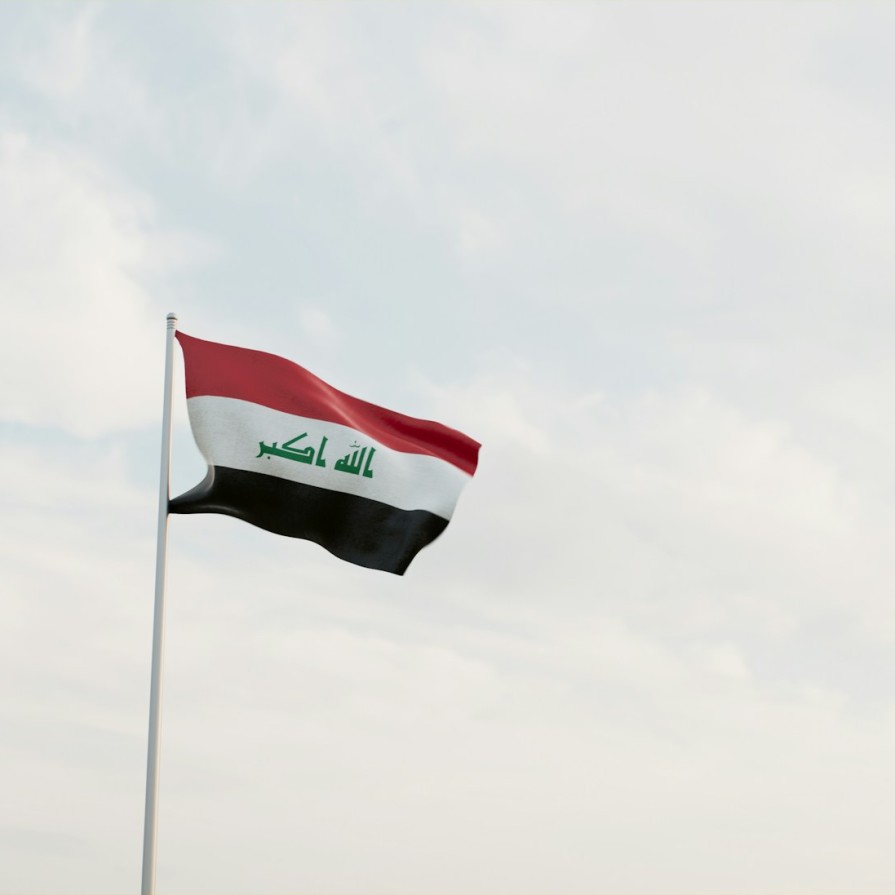
European Officials Set for Baghdad Energy Cooperation Talks Amid OPEC Exit Threat
In a significant development for global energy markets, European officials are scheduled to visit Baghdad in the coming weeks for high-level negotiations on energy cooperation. This diplomatic initiative comes just hours after Iraq warned that it might withdraw from OPEC if the oil-producing cartel fails to grant the nation higher production quotas.
Expanding Energy Cooperation Framework
According to sources within Iraq cited by Shafaq News, the upcoming discussions will focus on broadening cooperation across oil, natural gas, and electricity sectors. The planned negotiation agenda includes several key initiatives:
- Associated gas recovery projects
- Enhancing electricity generation capacity
- Expanding energy storage capabilities
- Strengthening crude oil export infrastructure
A notable proposal in the discussions aims to help Iraq achieve self-sufficiency in associated gas production within two years, reducing dependence on imported fuel sources.
Joint Maritime Fleet Initiative
Iraqi officials are also expected to discuss plans to establish a joint maritime fleet with several countries, including the United States, to support crude oil exports. This initiative would enhance Iraq's export capabilities while improving maritime security in the region.
Iraq's Warning to OPEC
This diplomatic push follows a statement from Iraqi Ministry of Oil spokesperson Salim al-Rikabi, who warned that Baghdad might withdraw from OPEC if the organization refuses to increase production quotas to accurately reflect the country's production capacity and long-term development plans.
Potential Implications of Iraq Leaving OPEC
According to market analyst Jules Reimer, writing for MarketWatch, an Iraqi departure from OPEC would have far greater consequences than the withdrawals of Qatar in 2019 and the UAE earlier this year. As OPEC's second-largest producer after Saudi Arabia, Iraq currently produces approximately 4.5 million barrels per day.
Reimer noted that estimates from the U.S. Energy Information Administration suggest Iraq could potentially increase its production capacity to around 7 million barrels per day by 2029 if OPEC production limits were removed. This would create significant opportunities for international oil companies operating in Iraq, including Exxon Mobil, Chevron, and Halliburton, while simultaneously delivering a major blow to OPEC's credibility.
As one of the founding members of the organization, Iraq's departure would raise profound questions about OPEC's ability to influence global oil prices.
Global Energy Market Realignment
The prospect of Iraq emerging as one of the world's largest oil producers would not only reshape the energy market landscape but also have far-reaching implications for global energy policies. With Iraq's vast untapped reserves and increasing production capabilities, the country could play an increasingly significant role in global energy security and pricing mechanisms.
Regional Geopolitical Considerations
Iraq's potential shift in energy policy comes amid a complex geopolitical landscape in the Middle East. The country's relationship with both traditional Western allies and regional partners is evolving, with energy cooperation serving as a key pillar in these diplomatic relations. The upcoming talks with European officials signal Iraq's strategic diversification of its international partnerships beyond traditional regional alliances.
Industry Perspectives
Energy industry experts have expressed varying opinions on Iraq's potential move. While some view it as a strategic necessity for Iraq to maximize its revenue potential, others caution that such a decision could isolate the country from the collective bargaining power that OPEC provides. The international oil companies operating in Iraq have largely remained silent on the matter, likely awaiting clearer signals from Iraqi authorities before formulating their strategic responses.
| Country | Production (barrels/day) | OPEC Ranking |
|---|---|---|
| Saudi Arabia | 11 million | 1 |
| Iraq | 4.5 million | 2 |
| UAE | 3 million | 3 |
| Kuwait | 2.8 million | 4 |
| Iran | 3 million | 5 |
Future Outlook
The coming weeks will be critical in determining the trajectory of both Iraq's energy policy and the broader OPEC organization. The outcome of the Baghdad talks with European officials, combined with Iraq's ongoing negotiations within OPEC, will likely shape the future of global oil markets for years to come. Energy analysts will be closely monitoring these developments for signs of potential realignment in production strategies and market dynamics.
As Iraq stands at this potential crossroads, the decisions made in the near future could fundamentally alter the balance of power in the global energy sector, creating both challenges and opportunities for producers, consumers, and international energy companies alike.