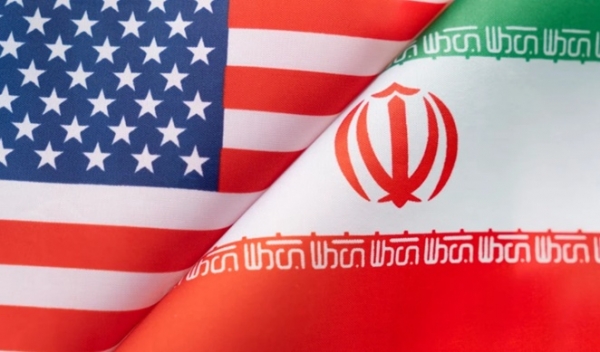
Middle East Tensions: US and Iran Hold Diplomatic Talks in Qatar on June 30th
In the ever-volatile landscape of Middle Eastern geopolitics, a significant diplomatic development emerged on June 30th with representatives from the United States and Iran convening in Doha, Qatar. This high-stakes meeting has drawn international attention as both nations navigate complex security concerns, nuclear ambitions, and regional influence in one of the world's most sensitive regions.
The Diplomatic Encounter in Doha
The meeting took place at the US Embassy in Qatar, marking another chapter in the ongoing, often turbulent, relationship between Washington and Tehran. This diplomatic engagement occurred against a backdrop of heightened regional tensions, with both nations pursuing seemingly contradictory objectives in the Middle Eastern chessboard.
While the specific participants weren't officially named by either government, sources familiar with the discussions indicated that senior officials from both sides were present. The meeting represented a continuation of indirect communications that have characterized the relationship since the US withdrawal from the Joint Comprehensive Plan of Action (JCPOA) in 2018.
| Meeting Details | Information |
|---|---|
| Date | June 30, 2023 |
| Location | US Embassy, Doha, Qatar |
| Format | Indirect diplomatic talks |
| Participants | Senior officials from both nations (unnamed) |
Historical Context: US-Iran Relations
The relationship between the United States and Iran has been fraught with tension since the 1979 Islamic Revolution and subsequent hostage crisis. After decades of hostility, the JCPOA nuclear agreement in 2015 represented a brief period of détente. However, the US withdrawal from the agreement in 2018 under the Trump administration, followed by Iran's subsequent violations of its nuclear limits, brought relations back to a precarious state.
The current administration in Washington has expressed willingness to return to the nuclear agreement, but with modifications addressing concerns about Iran's ballistic missile program and regional activities. Iran, meanwhile, has demanded the complete removal of all sanctions before returning to full compliance with the nuclear deal.
Primary Objectives of the Doha Talks
The discussions in Qatar reportedly focused on several critical areas, reflecting the multifaceted nature of the US-Iran relationship:
- Nuclear Program Negotiations: The most pressing issue concerned Iran's advancing nuclear program. US representatives reportedly emphasized the need for Iran to reverse its nuclear advances and return to compliance with JCPOA limits, while Iranian officials demanded sanctions relief as a precondition for any concessions.
- Regional De-escalation: Both sides discussed potential measures to reduce tensions in the Middle East, particularly in the Strait of Hormuz, where Iranian forces have repeatedly interfered with commercial shipping, and in Syria, where Iranian-backed militias operate alongside Russian forces.
- Economic Cooperation: Despite political tensions, there were exploratory discussions about potential economic cooperation areas, including energy markets and trade in non-sanctioned goods. The possibility of establishing new trade channels that would comply with US sanctions while allowing some economic benefits to Iran was reportedly raised.
- Hostage and Detainee Issues: The fate of several American citizens detained in Iran remained a critical humanitarian issue in the discussions, with US officials pressing for their immediate release.
International Reactions and Analysis
The meeting in Doha elicited varied responses from the international community:
European allies, particularly France, Germany, and the United Kingdom, expressed cautious optimism about the diplomatic engagement. These nations have consistently advocated for a return to the nuclear agreement and welcomed any channels of communication between Washington and Tehran. However, they emphasized that any agreement must ensure Iran's nuclear program remains exclusively peaceful.
Middle Eastern neighbors reacted with a mix of hope and apprehension. Israel, a vocal critic of the JCPOA, expressed concern that the talks might lead to a weak agreement that fails to address Iran's nuclear ambitions and regional activities. Meanwhile, Saudi Arabia and other Gulf states, while maintaining their official positions, reportedly welcomed any dialogue that could reduce tensions and prevent further destabilization in the region.
International nuclear experts and analysts offered mixed assessments. Some viewed the meeting as a necessary step toward de-escalation, while others warned that the fundamental disagreements between the two nations might prove insurmountable without significant compromises from both sides.
The Broader Middle Eastern Context
The US-Iran meeting in Qatar cannot be understood in isolation from the complex web of conflicts and alliances across the Middle East. The region currently faces multiple overlapping crises:
- Yemen Conflict: The ongoing war between Saudi Arabia-led coalition and Houthi rebels, with Iran accused of supporting the Houthis, has created one of the world's worst humanitarian crises.
- Syrian Civil War: The protracted conflict in Syria, where Iranian forces and allied militias support the Assad regime against various opposition groups, continues to destabilize the region.
- Strait of Hormuz Security: The vital waterway through which a significant portion of global oil shipments pass remains a flashpoint, with Iranian forces frequently challenging international shipping.
- Israeli-Palestinian Tensions: The long-standing conflict continues to flare periodically, with Iran supporting Palestinian militant groups opposed to Israel.
These interconnected conflicts create a complex security environment where US-Iran relations significantly influence regional stability. Any breakthrough or deterioration in their relationship could have cascading effects throughout the Middle East.
Implications for Global Energy Markets
Given the strategic importance of Middle Eastern oil to global energy markets, developments in US-Iran relations carry significant economic implications. Iran possesses the world's fourth-largest proven oil reserves, and any relaxation of sanctions could substantially increase global oil supplies.
| Impact Scenario | Potential Effects on Global Energy Markets |
|---|---|
| Sanctions Relief Agreement | Increased Iranian oil exports could lower global oil prices, potentially reducing gasoline prices in consumer nations |
| Escalation of Tensions | Disruption of oil shipments through Strait of Hormuz could spike prices, affecting global economic recovery |
| Partial Agreement | Modest increase in Iranian exports with limited market impact, depending on implementation details |
Future Prospects and Challenges
The diplomatic meeting in Qatar represents a tentative step toward addressing the long-standing issues between the United States and Iran. However, significant challenges remain:
The domestic political landscapes in both countries present formidable obstacles. In the United States, any agreement would face scrutiny from Congress and potentially from the next administration, given the partisan divide over Iran policy. In Iran, hardline factions may resist concessions that they perceive as undermining national sovereignty or the Islamic Revolution's principles.
Additionally, the broader regional context complicates bilateral negotiations. Issues like Iran's support for proxy groups, its ballistic missile program, and its relationship with Russia continue to concern US allies in the region and may become sticking points in any potential agreement.
Conclusion: A Cautious Step in a Long Journey
The June 30th meeting in Doha between US and Iranian representatives represents a cautiously optimistic development in a relationship marked by decades of hostility and mistrust. While the talks did not produce immediate breakthroughs, they maintained open channels of communication that could prevent further escalation and potentially lead to more substantive negotiations in the future.
The outcome of these diplomatic efforts will have far-reaching implications not only for US-Iran relations but for the stability of the entire Middle Eastern region and the global economy. As both nations navigate complex domestic and international pressures, the path forward remains uncertain but potentially transformative.
International observers will continue to monitor developments closely, recognizing that the resolution of issues between these two influential nations could herald a new era of stability in one of the world's most volatile regions.