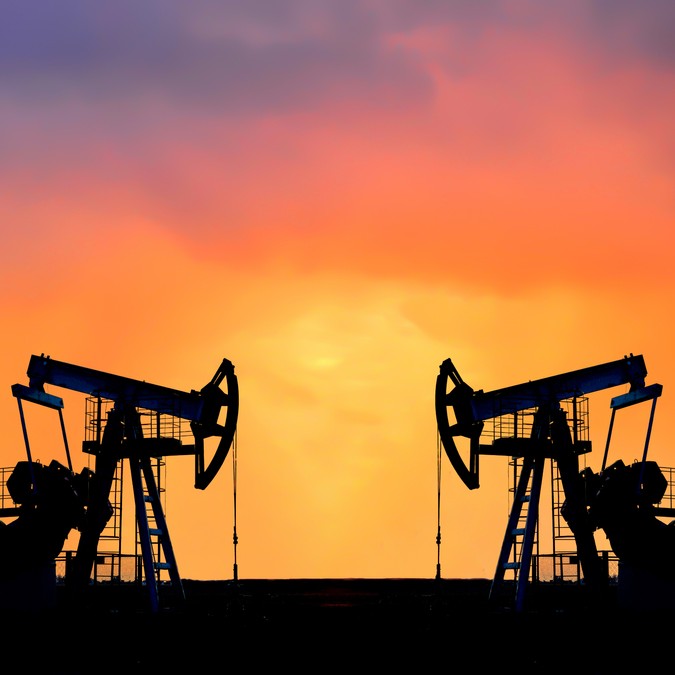
Warning: Impending Global Oil Shortage and Economic Implications
In recent weeks, numerous warnings have emerged regarding an impending oil shortage resulting from the ongoing conflict with Iran. While most analysts predict that such a shortage would lead to skyrocketing oil prices, a different perspective based on self-organizing economic dynamics suggests a contrary outcome: potentially declining prices, severe recession, and widespread shortages of goods and services that may not be directly tied to pricing mechanisms.
Economic Recession and Goods Shortage Concerns
Instead of high prices, my primary concerns focus on economic recession and the disappearance of essential goods and services we depend on. This scenario could resemble the empty shelves that many retailers experienced during 2020 and 2021. We might also see new government restrictions aimed at navigating reduced oil supplies, ensuring that essential services continue to operate normally. Oil prices could potentially fall below $40 per barrel, similar to what occurred in 2020 during COVID-19 restrictions.
Current Oil Reserves and Iran Conflict
The United States' extracted oil reserves have declined to alarming levels. On June 17, President Trump stated: "We will be out of oil in about four weeks if there's no deal." According to recent reports, America's largest oil storage facility appears to be near minimum operational levels for withdrawing crude oil. By June 23, MSN reported: "The U.S. could actually see gasoline shortages by July 4."
| Date | Development |
|---|---|
| June 17 | President Trump warns about oil reserves |
| June 23 | Announcement about potential gasoline shortage |
Consequences of the Iran Conflict
The oil supply shortage is unlikely to disappear quickly. There has been significant infrastructure damage in Iran and other regions, with repairs expected to take several years. Moreover, Iran has little incentive to fully reopen transportation routes, as keeping them closed could potentially increase oil prices per barrel.
US-Iran Agreement
Perhaps due to concerns about low oil supply, the United States has negotiated an agreement with Iran that appears unfavorable to American interests. Information indicates that Trump's current memorandum is quite beneficial to Iran. This could lead to increased internal conflict within the United States, with many people outraged at Trump for involving America in this conflict.
US Military and Financial Situation
A significant issue is that the United States has depleted many military resources, and rearmament will take years. If the US can execute a short-term attack, it cannot sustain a prolonged campaign. Furthermore, the types of weapons the US possesses are designed for a different type of warfare than the current situation.
Oil Prices and Economic Impact
Economists typically conclude that an oil supply shortage will lead to higher oil prices. However, I believe these models are insufficient; they overlook the complex self-organizing nature of the economy. It's worth noting that high oil prices can sometimes encourage increased oil production.
Oil Prices After the Conflict
Since the conflict began on February 28, oil prices have not risen sharply. Recently, they have tended to decline toward pre-war levels. However, market prices do not reflect the actual prices consumers must pay, as many transportation costs have increased significantly.
| Time Period | Oil Price (USD/barrel) |
|---|---|
| Before February 28 | $60-140 |
| Current | Declining toward pre-war levels |
Forecast for Oil Prices and the Economy
I predict that oil prices will continue to remain low or rise only moderately to around $150 per barrel, even with supply disruptions. The recession could be more severe, and governments may continue to impose new restrictions to reduce oil consumption.
Supply Chain and Goods Situation
We may see further signs of supply chain disruptions. Many products will become unavailable, from food to medications. Economic activity depends on full energy supply; if oil supply decreases, the economy must contract accordingly.
Conclusion
We are facing multiple shortage scenarios. This situation could lead to increased global conflict. Ultimately, I hope that lessons from past experiences, such as the COVID-19 pandemic, can help us navigate this challenging period effectively.
Keywords: OilPrices #IranConflict #GlobalEconomy #EnergyShortage #EconomicSituation