## Introduction: The End of an Era for Traditional FDI Incentives
The global landscape of foreign direct investment (FDI) is undergoing a profound transformation, and Vietnam stands at a pivotal moment in its economic development journey. As the traditional model of attracting investment through tax incentives alone reaches its limit, Vietnam is embracing a comprehensive new strategy that positions energy security and strategic infrastructure as the cornerstones of its FDI attraction policy.
This strategic shift, encapsulated in Resolution 10-NQ/TW issued on June 8, 2026, marks a fundamental departure from Vietnam's previous approach to capital attraction. The resolution signals a transition from merely seeking quantity to prioritizing quality, from chasing short-term gains to building sustainable long-term partnerships, and from competing on cost advantages to differentiating through comprehensive national capabilities.
## Background: Resolution 10-NQ/TW and the New Development Paradigm
Resolution 10-NQ/TW represents a watershed moment in Vietnam's economic thinking, reflecting a mature understanding of the changing dynamics in global investment flows. The resolution, issued by the Political Bureau of the Communist Party of Vietnam, acknowledges that the era of attracting FDI primarily through tax concessions and cheap labor has reached its limits.
The document outlines a new paradigm where Vietnam seeks to become not just a destination for capital, but a strategic platform for global corporations to establish their regional headquarters, research and development centers, and critical nodes in global value chains. This approach recognizes that modern multinational corporations are increasingly making investment decisions based on complex factors beyond cost considerations.
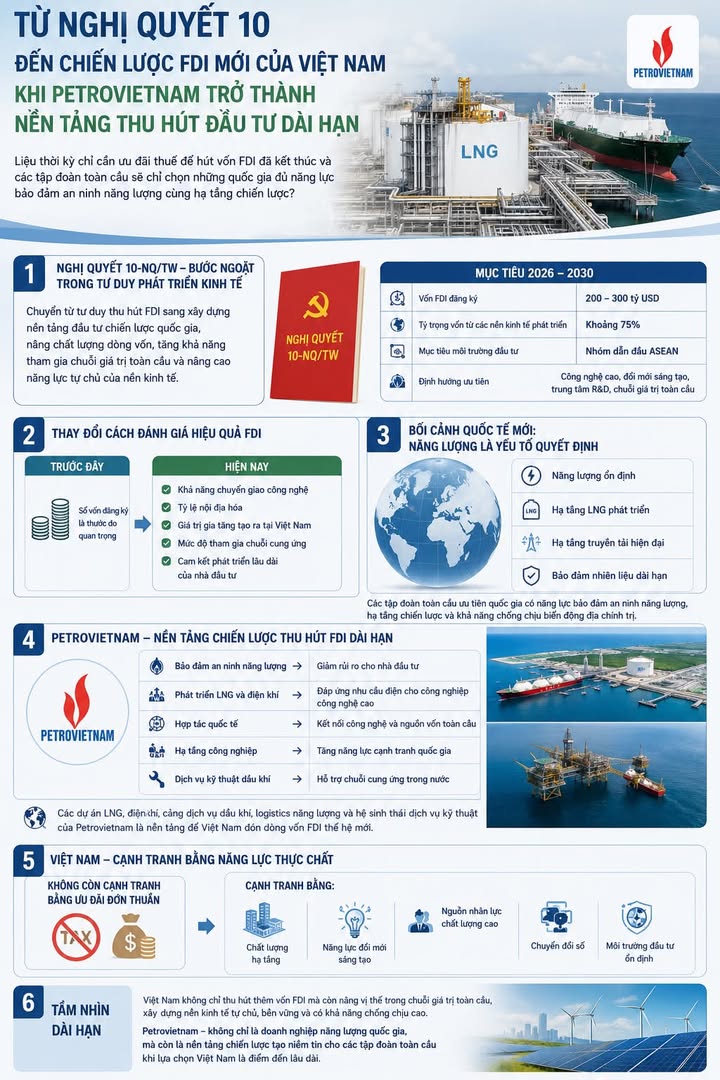
Table 1: Evolution of Vietnam's FDI Strategy
| Aspect | Traditional Approach (Pre-2026) | New Strategic Approach (Post-Resolution 10) |
|--------|-------------------------------|-------------------------------------------|
| Primary Focus | Capital volume and tax revenue | Technology transfer and value creation |
| Target Investors | Labor-intensive manufacturing | High-tech companies and industry leaders |
| Evaluation Criteria | Registered capital amount | Technology transfer, localization rate, supply chain integration |
| Competitive Advantage | Low labor costs, tax incentives | Energy security, infrastructure quality, innovation ecosystem |
| Time Horizon | Short-term project-based | Long-term strategic partnerships |
## The New FDI Strategy: Objectives and Targets
The new FDI strategy outlined in Resolution 10-NQ/TW sets ambitious targets for the period 2026-2030, reflecting Vietnam's aspirations to join the ranks of upper-middle-income economies and eventually achieve high-income status. These targets are not merely quantitative but qualitative, signaling a deliberate shift toward higher-value investments.
Table 2: Key FDI Targets for 2026-2030
| Indicator | Target | Significance |
|-----------|--------|--------------|
| Registered FDI Capital | 200-300 billion USD | Substantial increase in investment volume |
| Share from Developed Economies | Approximately 75% | Higher quality capital with advanced technology |
| Investment Environment Ranking | Leading position in ASEAN | Enhanced competitiveness in regional investment landscape |
| Priority Sectors | High technology, innovation, R&D centers, global value chains | Economic upgrading and diversification |
The strategy explicitly prioritizes attracting technology and industry leaders to establish their regional headquarters, R&D centers, and command-and-control operations in Vietnam. This represents a significant elevation from Vietnam's previous position as primarily a manufacturing base.
## Evolution of FDI Evaluation Criteria
Perhaps the most significant aspect of Vietnam's new approach is the fundamental rethinking of how FDI effectiveness is measured. Previously, the volume of registered capital served as the primary metric of success. Under the new framework, a more sophisticated set of indicators takes precedence:
1. **Technology Transfer Capability**: The extent to which foreign investors bring advanced technologies and know-how to Vietnam
2. **Localization Rate**: The proportion of value added domestically rather than imported
3. **Value Creation**: The economic value generated within Vietnam's borders
4. **Supply Chain Integration**: The depth of integration into domestic and regional supply networks
5. **Long-term Commitment**: The duration and sustainability of investment projects
This shift reflects a maturing economy that seeks more than just capital—it seeks transformational partnerships that elevate domestic capabilities and create lasting economic value.
## The Changing International Landscape and Energy Security
The global context for FDI has undergone dramatic changes in recent years. Multinational corporations are increasingly factoring non-traditional considerations into their location decisions:
- Energy security and reliability
- Quality of logistics infrastructure
- Availability of skilled human resources
- Digital infrastructure readiness
- Stability of the legal and regulatory environment
- Resilience to geopolitical disruptions
Among these factors, energy security has emerged as a critical determinant of investment attractiveness. As the world transitions toward more energy-intensive technologies like artificial intelligence, big data centers, and advanced manufacturing, reliable and affordable energy has become a prerequisite for investment decisions.
Countries that can guarantee stable power supplies, develop robust LNG infrastructure, modernize transmission networks, and secure long-term fuel supplies hold a distinct competitive advantage in attracting high-value investments in semiconductor manufacturing, data processing, AI development, and advanced electronics.
## Petrovietnam's Strategic Role in the New FDI Landscape
Within this new framework, Petrovietnam has been elevated beyond its traditional role as a state-owned oil and gas enterprise to become a strategic enabler of Vietnam's FDI ambitions. The company's expanded responsibilities now include:
Table 3: Petrovietnam's Strategic Roles in FDI Attraction
| Role | Significance for FDI |
|------|---------------------|
| Energy Security Provider | Reduces investment risk for energy-intensive industries |
| LNG and Gas Power Developer | Supplies reliable electricity for high-tech manufacturing |
| International Cooperation Partner | Facilitates technology transfer and global capital access |
| Industrial Infrastructure Builder | Creates competitive advantages for domestic industry |
| Technical Services Provider | Supports domestic supply chain development |
Petrovietnam's extensive infrastructure network—including LNG terminals, oil and gas service ports, energy logistics facilities, and industrial complexes—forms the backbone of Vietnam's new FDI ecosystem. These assets provide foreign investors with the critical infrastructure needed to establish operations without the challenges of building from scratch.
## Key Infrastructure Projects Enabling the New FDI Strategy
Several strategic projects exemplify Vietnam's approach to creating an enabling environment for high-value FDI:
1. **LNG Quynh Lap Project**: This liquefied natural gas terminal is designed to provide reliable energy supplies for industrial zones and high-tech manufacturing facilities. Its strategic location and capacity make it a critical piece of Vietnam's energy security puzzle.
2. **Energy Industrial Centers**: These integrated complexes combine energy production with industrial zones, creating synergies between energy suppliers and manufacturing enterprises. The concept reduces logistical costs and enhances operational efficiency.
3. **Technical Service Ecosystems**: Leveraging Petrovietnam's technical expertise, these clusters of specialized service providers support oil and gas operations while building domestic capabilities in advanced engineering and technical services.
4. **Digital Energy Infrastructure**: Modernizing the power grid and implementing smart grid technologies ensures reliable electricity supply for digital economy enterprises, including data centers and AI facilities.
These projects are not merely infrastructure developments but strategic investments in Vietnam's competitive advantage for the next generation of FDI.
## Vietnam's Competitive Advantages in the New Era
Vietnam's new FDI strategy recognizes that competition for global capital has evolved beyond simple tax incentives. The country is now positioning itself based on several key competitive advantages:
1. **Strategic Geographic Location**: Situated at the crossroads of global trade routes, Vietnam offers logistical advantages for regional distribution networks.
2. **Improving Infrastructure Quality**: Significant investments in ports, airports, roads, and digital connectivity are reducing traditional bottlenecks to business operations.
3. **Developing Human Capital**: Investments in education and vocational training are building a workforce capable of supporting advanced manufacturing and technology industries.
4. **Digital Transformation Acceleration**: Vietnam's rapid adoption of digital technologies creates an enabling environment for tech-driven enterprises.
5. **Political and Economic Stability**: Consistent policy implementation and macroeconomic stability provide a predictable environment for long-term investment.
6. **Energy Security Framework**: Petrovietnam's strategic role in ensuring reliable energy supplies addresses a critical concern for modern investors.
## Future Outlook and Conclusion
If effectively implemented, Vietnam's new FDI strategy promises to transform the country's economic trajectory. By attracting high-value investments that transfer technology, integrate into global value chains, and build domestic capabilities, Vietnam can achieve a more sustainable and resilient economic model.
The elevation of Petrovietnam to a strategic role in this ecosystem represents a recognition that energy security is not merely a utility function but a competitive advantage in the modern economy. As energy-intensive industries become increasingly important to global economic growth, Vietnam's approach of coupling energy infrastructure with industrial development positions it favorably in the competition for next-generation FDI.
The success of this strategy will depend on several factors: the effective implementation of infrastructure projects, the development of human capital to support advanced industries, the maintenance of policy consistency, and the ability to continuously upgrade technological capabilities.
Ultimately, Resolution 10-NQ/TW and the strategic elevation of Petrovietnam signal Vietnam's ambition to move up the economic value chain. By focusing on quality over quantity and building strategic advantages rather than relying on cost competitiveness, Vietnam is positioning itself as a destination for the most sophisticated and valuable forms of foreign investment in the decades to come.