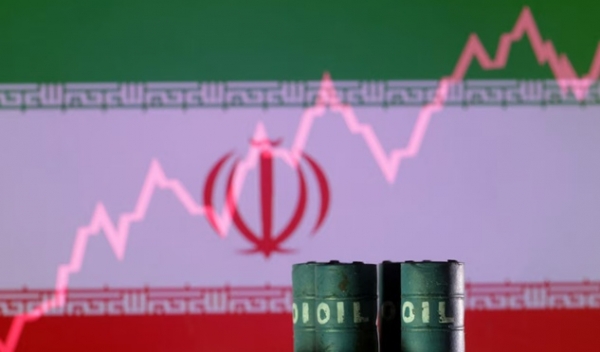
Iran Seeks to Resume Oil Sales to Japan: Negotiations Amid US Sanctions
In the escalating geopolitical landscape, Iran is actively pursuing negotiations with Japanese companies to resume oil export operations under US sanctions exemptions. According to sources from both Iran and Western nations, Tehran has initiated discussions with potential partners in Japan, a country that was once one of Iran's largest oil customers before the US withdrawal from the nuclear agreement in 2018.
Historical Context of Iran-Japan Energy Relations
Iran and Japan share a long-standing economic relationship, particularly in the energy sector. Prior to the imposition of stringent US sanctions in 2018, Japan imported approximately 10% of its total crude oil demand from Iran, equivalent to 300,000 barrels per day. However, after Washington withdrew from the Joint Comprehensive Plan of Action (JCPOA) and reimposed sanctions, Tokyo was forced to significantly reduce oil imports from Iran to avoid secondary sanctions.
The US sanctions have severely impacted Iran's economy, particularly its oil sector—the primary source of foreign revenue for this Middle Eastern nation. The Iranian government has explored numerous methods to sell oil, including using disguised vessels, altering destination points, and utilizing non-USD transaction channels.
Details of Current Negotiations
According to Iranian and Western sources, Tehran has begun preliminary discussions with at least three major Japanese energy companies, including corporations such as JXTG Nippon Oil & Energy, Idemitsu Kosan, and Marubeni Corporation. These negotiations focus on establishing mechanisms for purchasing Iranian oil that comply with US sanctions.
Sources indicate that Iran is proposing a payment mechanism through intermediary banks in Asia and Europe, while also using alternative currencies to the US dollar to mitigate risks. Tehran has also committed to ensuring stable oil supply and price stability for Japanese companies.
Requirements of Japanese Companies
While Iran is aggressively pushing negotiations, Japanese companies have outlined specific requirements to ensure business safety:
- Extended exemption period: Japanese companies are requesting longer exemption permits from Washington compared to those previously granted. Historically, the US had granted Japan and other countries six-month exemptions to gradually reduce Iranian oil imports.
- Legal assurance: Companies seek clear guarantees from both the US and Iran regarding legal risks if they engage in Iranian oil transactions.
- Transparent payment mechanism: The requirement for establishing a reliable and transparent payment system that can bypass sanctions.
- Maritime security assurance: Concerns about security in the Strait of Hormuz—the world's most crucial oil shipping route—have also been raised by Japanese companies in discussions.
Potential Impact on the Energy Market
Iran's return to the global oil market could cause significant fluctuations:
| Factor | Potential Impact |
|---|---|
| Global oil prices | Could decrease by 5-10% if Iran resumes exports of 2-3 million barrels per day |
| Oil supply-demand balance | Increased global oil supply, particularly in Asia |
| OPEC+ position | Iran may seek to rejoin or increase influence within the OPEC+ bloc |
| Maritime security | Increased risk of tensions in the Strait of Hormuz |
Analysts from the Tokyo Energy Research Institute have commented: "Iran's return to the Japanese oil market would create advantages for Tokyo regarding pricing and supply diversification. However, political risks remain the most significant barrier."
International Community Response
The negotiations between Iran and Japan are being closely monitored by the international community. While Asia, particularly Japan, South Korea, and India, has significant demand for affordable oil, the US maintains a tough stance toward Iran.
A US State Department spokesperson stated: "We will continue to enforce sanctions against Iran and warn countries and companies not to engage in Iranian oil transactions." However, Washington has acknowledged the difficulties in comprehensively monitoring oil transactions.
China, which continues to import Iranian oil despite sanctions, has expressed support for Japan's efforts to diversify energy sources. Meanwhile, Russia—an Iranian ally—views these negotiations as an opportunity to increase influence in Asia.
Conclusion
The negotiations between Iran and Japanese companies regarding oil sales under the guise of US sanctions exemptions reflect the complexity of global energy relations. Despite numerous political and legal barriers, the actual energy demand of Asian nations may drive an implicit agreement between Tehran and Washington.
Japan's attempt to balance its relationship with the US while ensuring stable oil supply will be a critical factor determining the success of these negotiations. Regardless of the outcome, these efforts will undoubtedly reshape the global energy trade map in the coming years.
Hashtags: #Iran #Japan #Energy #Oil #InternationalTrade #USsanctions