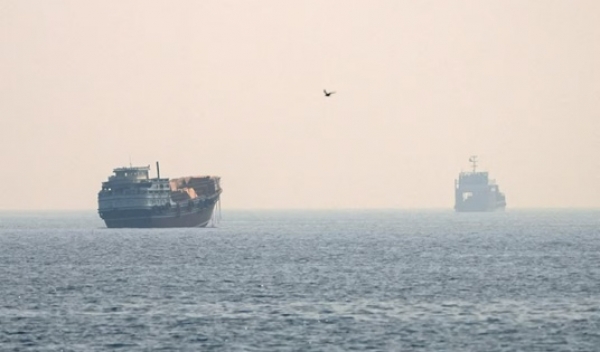
Japanese Vessels Continue Transit Through Strait of Hormuz Amid Regional Tensions
In an increasingly volatile security landscape in the Middle East, maritime transportation through the Strait of Hormuz has become critically important. According to vessel tracking data, numerous Liquefied Natural Gas (LNG) carriers have resumed operations through this strategic waterway, despite recent flare-ups in regional conflicts.
Operational Details and Statistics
Tokyo has confirmed that as many as 22 vessels associated with Japan have departed from the Gulf region since June 14, 2023. This resumption of maritime activities demonstrates Japan's commitment to maintaining commercial operations and ensuring energy security for the nation.
The continued presence of Japanese vessels in these waters highlights the delicate balance between security concerns and economic necessity. Despite heightened risks, Japan's maritime industry has shown remarkable resilience in maintaining its supply chain integrity.
The Strategic Importance of the Strait of Hormuz
The Strait of Hormuz stands as one of the world's most critical maritime chokepoints, serving as the primary transit route for approximately 20% of global oil shipments. This narrow waterway connects the Persian Gulf with the Gulf of Oman and the Arabian Sea, making it indispensable for international energy trade.
The strait's significance extends beyond oil transportation, with substantial volumes of LNG and other commodities also passing through this corridor daily. For energy-dependent nations like Japan, maintaining access to this route represents a matter of national economic security.
Security Assessment in the Current Climate
Recent developments in the Middle East have raised concerns about maritime security in the Strait of Hormuz. Regional tensions, military activities, and potential threats to commercial shipping have created an environment of uncertainty for international maritime operations.
Despite these challenges, Japanese shipping companies and the government have implemented enhanced security measures to protect their vessels. These measures include:
- Increased coordination with international naval forces
- Implementation of advanced navigation and surveillance technologies
- Development of alternative routing strategies when necessary
- Strengthened partnerships with regional authorities
Japan's Energy Security Strategy
Japan's decision to maintain maritime operations through the Strait of Hormuz reflects its broader energy security strategy. As one of the world's largest importers of LNG, Japan has developed a diversified approach to energy procurement while acknowledging the continued importance of Middle Eastern supplies.
The nation's energy strategy includes:
- Diversification of supply sources beyond traditional markets
- Investment in alternative energy technologies
- Strategic reserves management
- Enhanced diplomatic engagement with producing nations
Operational Data Overview
| Period | Vessels Departing Gulf | Primary Cargo Type | National Affiliation |
|---|---|---|---|
| Since June 14, 2023 | 22 | LNG | Japan |
Global Implications and Market Response
The continued operation of Japanese vessels through the Strait of Hormuz has significant implications for global energy markets. Japan's ability to maintain its LNG supply chain helps stabilize prices and ensures reliable delivery to Asian markets, which are critical to global energy balance.
International observers note that Japan's persistence in maintaining these routes despite security challenges sets a precedent for other maritime nations. This approach underscores the principle that economic interests must be balanced with security considerations in an increasingly complex geopolitical environment.
Future Outlook and Strategic Considerations
Looking ahead, Japan's maritime strategy will likely evolve in response to changing security dynamics in the Middle East. Potential developments may include:
- Further diversification of energy transportation routes
- Enhanced investment in maritime security technologies
- Strengthened international cooperation for safe passage
- Development of more resilient supply chain networks
Conclusion
Japan's determination to maintain maritime operations through the Strait of Hormuz amidst Middle East instability not only reflects the nation's critical role in global energy markets but also underscores the essential need for robust safety measures and protective frameworks for international shipping lanes.
Closely monitoring the situation and implementing timely strategic decisions will be crucial factors in determining the success of Japan's commercial maritime operations in the coming months. As the global energy landscape continues to evolve, Japan's approach to securing its maritime supply chains will likely serve as a reference point for other nations facing similar challenges.