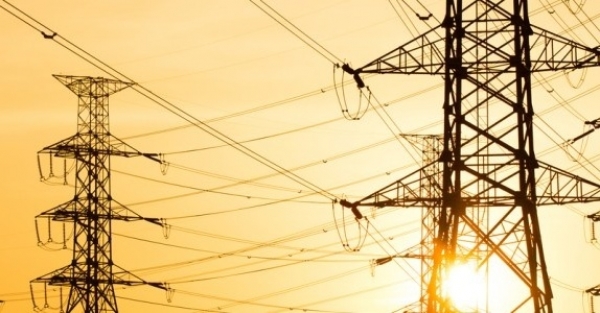
European Union Sets Ambitious Goal for Full Electrification by 2040
The European Commission (EC) is preparing to announce a landmark initiative next week that aims to achieve complete electrification across the European Union by 2040. This ambitious plan represents a significant step toward reducing dependence on fossil fuels and advancing renewable energy throughout the region, marking one of the most comprehensive energy transitions ever attempted by a major economic bloc.
Objectives of the Electrification Strategy
The primary objective of this strategy is to accelerate the transition from traditional energy sources to renewable alternatives such as wind, solar, and other clean energy forms. This initiative not only aims to reduce carbon emissions but also seeks to foster sustainable development across all EU member states. The comprehensive approach targets multiple sectors simultaneously, creating a systemic transformation of Europe's energy landscape.
By establishing clear targets for electrification, the European Commission intends to create a unified framework that will guide member states in their individual energy transition efforts. The strategy emphasizes the importance of harmonized policies while allowing flexibility for nations with varying starting points and resource availability.
Key Details of the Proposal
According to sources familiar with the matter, the proposal will establish specific electrification targets across various sectors, including transportation, industry, and residential consumption. The following table outlines the proposed targets by sector:
| Sector | Proposed Electrification Rate | Target Year |
|---|---|---|
| Transportation | 80% | 2040 |
| Industry | 70% | 2040 |
| Residential | 90% | 2040 |
The proposal also includes interim milestones to ensure progress is tracked and maintained throughout the implementation period. These intermediate targets will be reviewed every five years, allowing for adjustments based on technological advancements and changing economic conditions.
Significance of the Electrification Plan
The electrification strategy carries profound implications for both the European economy and global climate efforts. By transitioning to renewable electricity, the EU aims to significantly reduce its carbon footprint while enhancing energy security through domestic energy production. This shift would position Europe as a leader in the global fight against climate change.
Economically, the initiative is expected to stimulate innovation and job creation in emerging clean technology sectors. The European Commission estimates that the transition could generate millions of new jobs in renewable energy, electric vehicle manufacturing, and smart grid technologies, while simultaneously reducing energy costs for consumers in the long term.
Furthermore, the electrification plan aligns with the EU's broader climate goals, including the European Green Deal and the commitment to achieve carbon neutrality by 2050. By establishing concrete electrification targets, the Commission creates a clear pathway for meeting these ambitious climate objectives.
Challenges and Implementation Considerations
Despite its potential benefits, the electrification strategy presents numerous challenges that must be addressed for successful implementation. Key obstacles include:
- Infrastructure Investment: Significant upgrades to electrical grids will be required to accommodate increased demand from electrified transportation and industrial processes.
- Financial Resources: Mobilizing sufficient capital for renewable energy projects and grid modernization remains a critical challenge.
- Industry Opposition: Traditional sectors dependent on fossil fuels may resist the transition, citing economic concerns and competitive disadvantages.
- Energy Storage: Developing adequate energy storage solutions to address intermittency issues from renewable sources.
- Grid Modernization: Implementing smart grid technologies to enhance efficiency and reliability of the electrical system.
The European Commission acknowledges these challenges and has proposed several mitigation strategies, including substantial funding programs, regulatory reforms, and public-private partnerships to facilitate the transition.
International Implications and Global Leadership
The EU's electrification strategy is likely to influence global energy markets and climate policy. As one of the world's largest economies and energy consumers, Europe's transition to renewable electricity could accelerate similar initiatives in other regions through technology transfer and demonstration effects.
Moreover, the plan positions the EU as a leader in international climate negotiations, providing concrete evidence that large-scale economic transformation toward sustainability is achievable. This leadership could strengthen the bloc's influence in shaping global climate agreements and environmental standards.
Conclusion
With its electrification goal set for 2040, the European Union is embarking on one of the most ambitious energy transitions in history. If successfully implemented, this strategy could fundamentally transform Europe's energy landscape, reduce carbon emissions, and position the continent as a global leader in sustainable development.
The path forward will require unprecedented cooperation between member states, substantial investment in new technologies, and careful management of economic and social impacts. However, the potential benefits—environmental sustainability, energy independence, and economic renewal—make this transition not just necessary, but also an opportunity to build a more resilient and prosperous future for all Europeans.