Iran Declares Closure of Strait of Hormuz Amid Escalating US Military Actions
In a significant development that has sent shockwaves through global energy markets and geopolitical circles, the Islamic Revolutionary Guard Corps (IRGC) of Iran has officially announced the temporary closure of the Strait of Hormuz, one of the world's most critical maritime chokepoints. The announcement, made without a specified timeline for reopening, comes amid heightened tensions between Tehran and Washington, particularly following a series of US airstrikes targeting what American officials describe as Iran-linked assets in the region.
Strategic Implications of Hormuz Closure
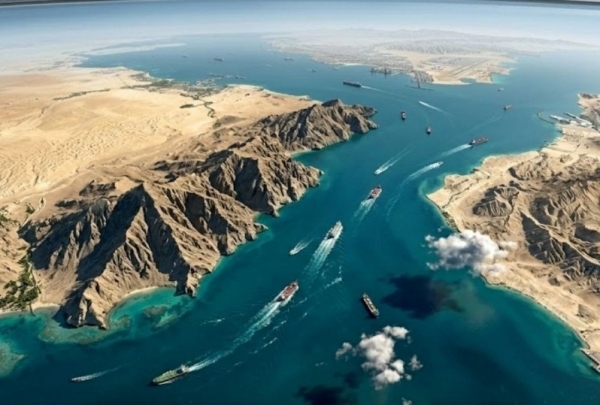
The Strait of Hormuz serves as a vital artery for global energy trade, connecting the Persian Gulf with the Gulf of Oman and the Arabian Sea. Approximately 20% of the world's traded oil passes through this narrow waterway, making it an indispensable component of international energy infrastructure. Iran's decision to control access to this strategic waterway represents a dramatic escalation in the ongoing geopolitical standoff between the two nations.
"This action is a direct response to hostile American actions that we consider violations of our sovereignty and threats to regional security," stated an IRGC spokesperson in a televised address. "The Persian Gulf is our territory, and we reserve the right to protect it against any external aggression."
Geopolitical Context
The closure announcement follows a series of military exchanges between the United States and Iran over the past several weeks. The most recent incident involved US airstrikes against what the Pentagon claimed were weapons storage facilities and command centers used by Iran-backed militias in Iraq and Syria. These strikes were reportedly retaliation for attacks on American military personnel in the region.
Tehran has consistently maintained that its military presence in neighboring countries is defensive in nature and aimed at countering threats from terrorist organizations. Iranian officials have accused the United States of escalating tensions through its "maximum pressure" campaign, which has included economic sanctions and military posturing in the region.
Global Energy Market Implications
The potential disruption of oil shipments through the Strait of Hormuz has immediate and profound implications for global energy markets. Energy analysts are warning of significant price volatility and potential supply shortages that could ripple through the global economy.
"The Strait of Hormuz is where global oil markets meet geopolitical realities," explained Dr. Sarah Johnson, an energy policy analyst at the International Institute for Strategic Studies. "Any sustained closure would trigger a supply shock that could push oil prices to levels not seen since the 1970s oil crises."
Market Impact Analysis
The following table outlines the potential impacts of the Hormuz closure on various market sectors:
| Market Sector | Potential Impact | Timeframe |
|---|---|---|
| Crude Oil Prices | Immediate spike of 15-30% possible, with Brent crude potentially exceeding $120 per barrel | Within 24-48 hours |
| Global Stock Markets | Increased volatility, particularly in energy and transportation sectors | Within trading days |
| Shipping & Logistics | Rerouting of vessels, increased insurance costs, potential delays in global supply chains | Within days to weeks |
| Consumer Prices | Rise in gasoline, heating oil, and transportation costs | Within 1-2 weeks |
| Alternative Energy | Increased investment in renewable energy sources and energy independence initiatives | Medium to long term |
Regional Economic Consequences
The closure would not only affect global markets but would also have severe economic consequences for countries in the Persian Gulf region. Nations heavily dependent on oil exports, including Saudi Arabia, Kuwait, and the United Arab Emirates, would face immediate revenue losses. Additionally, countries that rely on imports through the strait, such as Japan and South Korea, would experience significant supply disruptions.
International Response and Diplomatic Maneuvering
The international community has reacted with alarm to Iran's announcement. The United Nations Security Council has called an emergency session to discuss the situation, while European powers have urged restraint from all parties.
"We are deeply concerned about the escalating tensions in the Persian Gulf," stated a spokesperson for the European Union. "We call on all nations to exercise maximum restraint and seek diplomatic solutions to prevent a wider conflict that could have devastating consequences for global stability."
Position of Key Stakeholders
The following table summarizes the positions of major international stakeholders regarding the Hormuz situation:
| Country/Organization | Position | Actions Taken |
|---|---|---|
| United States | Condemns Iran's actions as illegal and provocative | Increased naval presence in the region, ongoing diplomatic pressure |
| European Union | Urges de-escalation, supports diplomatic resolution | Emergency diplomatic consultations, potential mediation efforts |
| China | Calls for peaceful resolution, concerned about energy security | Engaging in shuttle diplomacy, urging restraint |
| Russia | Criticizes US "aggressive posture," supports Iran's security concerns | Diplomatic support for Iran, potential UN Security Council involvement |
| Gulf Cooperation Council | Deeply concerned about regional stability | Emergency meetings, seeking international mediation |
Historical Context and Precedents
The current situation echoes historical tensions in the region, particularly during the Iran-Iraq War (1980-1988) when both countries attacked oil tankers in the Persian Gulf. More recently, in 2019, Iran seized several commercial tankers in the strait, citing security violations.
"History shows that the closure of the Strait of Hormuz is not unprecedented, but the current geopolitical climate makes this situation particularly dangerous," noted Professor Michael Clarke, a Middle East expert at the London School of Economics. "The combination of heightened US-Iran tensions, regional rivalries, and global energy dependence creates a powder keg situation."
Strategic Military Considerations
The closure of the Strait of Hormuz would have significant military implications for all parties involved. Iran possesses sophisticated anti-ship missiles and naval capabilities that could effectively disrupt maritime traffic in the strait. The United States maintains a strong naval presence in the region, including its 5th Fleet based in Bahrain, which could potentially challenge any Iranian blockade.
"Military options are being considered by all parties, but any direct confrontation carries the risk of spiraling into a wider regional conflict," warned retired Admiral James Stavridis, former NATO Supreme Allied Commander. "The economic and human costs of such a conflict would be catastrophic."
Future Scenarios and Potential Outcomes
Several potential scenarios could unfold in the coming days and weeks, each with significant implications for global stability and energy markets:
- De-escalation: Diplomatic efforts succeed in reducing tensions, and Iran lifts the closure without incident.
- Prolonged Crisis: The closure remains in place for an extended period, leading to sustained high oil prices and economic disruption.
- Military Confrontation: Escalating tensions lead to direct military conflict between Iran and the United States, with unpredictable consequences for global security.
- Regional Realignment: Other regional powers intervene to mediate, potentially leading to new security arrangements in the Persian Gulf.
Energy Sector Adaptation
In response to the potential disruption, energy companies and consuming nations are exploring alternative routes and strategies:
- Alternative Shipping Routes: Some oil tankers may attempt the longer route around Africa's Cape of Good Hope, increasing transit times and costs.
- Strategic Reserves: Major oil-consuming nations may release emergency reserves to offset supply disruptions.
- Production Adjustments: Oil-producing countries outside the region may increase output to compensate for lost supplies.
- Energy Diversification: Accelerated investment in renewable energy sources and alternative transportation technologies.
Conclusion: A Critical Juncture in Global Geopolitics
Iran's declaration to close the Strait of Hormuz represents a critical juncture in the complex web of Middle Eastern geopolitics and global energy security. The situation underscores the delicate balance between national sovereignty, regional security, and global economic interests.
"What happens in the Persian Gulf doesn't stay in the Persian Gulf," concluded Dr. Johnson. "The ripple effects of this crisis will be felt across the global economy, potentially accelerating the transition toward alternative energy sources while testing the resilience of international institutions designed to prevent such conflicts."
As the world watches developments unfold, the international community faces the urgent challenge of preventing escalation while addressing legitimate security concerns. The path forward will require diplomatic ingenuity, economic pragmatism, and a recognition of the interconnected nature of global security and prosperity in the 21st century.