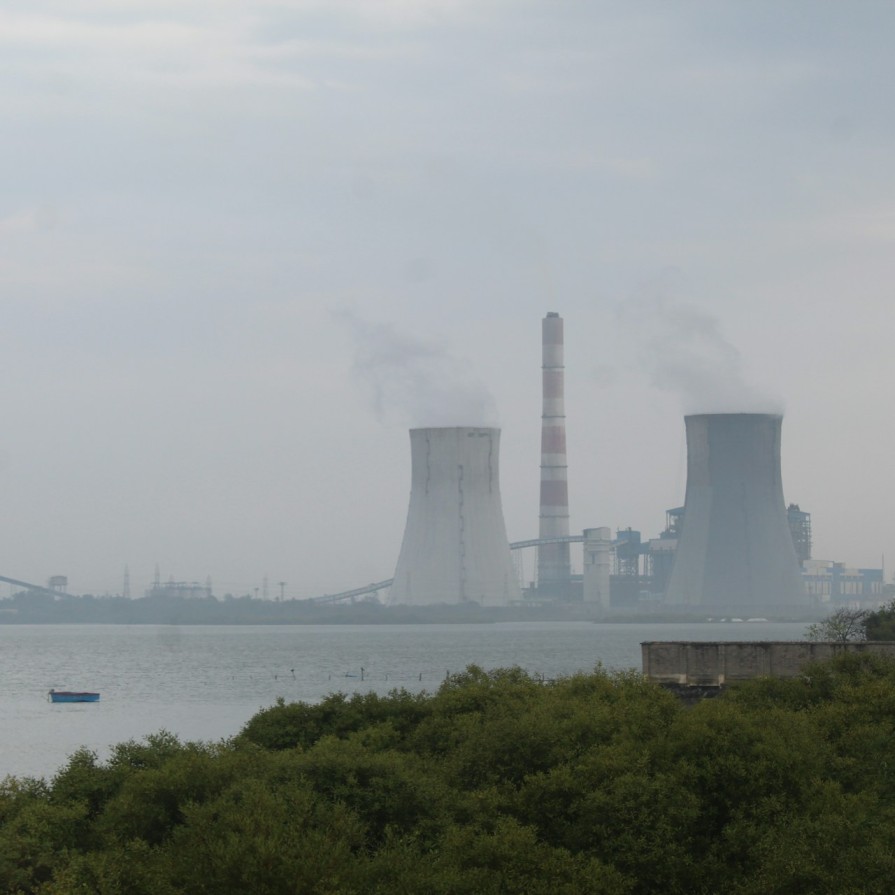
The Nuclear Energy Renaissance: Solving the Global Energy Trilemma
In an era defined by unprecedented energy challenges, nations worldwide are increasingly turning to nuclear power as a solution to the complex energy trilemma: providing energy that is simultaneously affordable, sustainable, and secure. As artificial intelligence drives soaring energy demand in wealthy nations, and consecutive oil shocks coupled with rising temperatures force developing countries to seek alternative energy sources, nuclear power is emerging as an increasingly attractive option across diverse national contexts.
"With energy security now ranked alongside climate commitments as a top policy priority, nuclear power appears to hold a central place in the global electricity landscape through mid-century," reported Foreign Policy Journal last month. This encompasses both planned nuclear expansions in established nuclear powers like the United States and Canada, as well as in smaller economies experimenting with the technology for the first time.
Historical Context and the Dominance of Wealthy Nations
Historically, nuclear energy has been dominated by wealthy nations, as nuclear power plants are notoriously expensive to develop and nuclear waste requires sophisticated governance and substantial financial resources for safe disposal. Consequently, just five economically powerful nations—the United States, France, China, Russia, and South Korea—account for over 70% of global nuclear energy production.
| Country | Percentage of Global Nuclear Energy Production |
|---|---|
| United States | ~30% |
| France | ~15% |
| China | ~10% |
| Russia | ~7% |
| South Korea | ~5% |
| Other countries | ~33% |
The Shift Toward Emerging Economies
However, this trend is changing rapidly. The majority of the 80 nuclear reactors currently under construction worldwide are located in emerging economies, marking a significant shift in nuclear development. India and Pakistan have launched their nuclear power sectors in recent years, and many other emerging economies are poised to follow suit. Even smaller nations like Singapore are now considering nuclear technology as its benefits are highlighted by global energy market volatility.
"For these nations, nuclear power helps decarbonize their electricity grids while avoiding over-reliance on intermittent sources like solar and wind," wrote Bloomberg in a recent report. "It's also a way to reduce dependence on imported fossil fuels vulnerable to external shocks—particularly Russia's invasion of Ukraine and the conflict with Iran."
Foreign Financing and Geopolitical Competition
Yet while this approach is helping nations gradually reduce their dependence on imported fossil fuels, nuclear power development in emerging economies remains predominantly financed by external parties. China and Russia have been competing in the African nuclear energy sector for years, each seeking to establish dominance and influence in this developing field. And Bangladesh, the next emerging economy expected to achieve nuclear capability, is doing so with a Russia-built nuclear power plant.
The Bangladesh Case: The Rooppur Nuclear Power Plant
When completed in 2028, the Rooppur facility will provide up to 15% of Bangladesh's electricity. Of the plant's two reactors, the first is expected to become fully operational in 2027. However, even with investment from a wealthier nation, the power plant may prove prohibitively expensive for Bangladesh, particularly as the Bangladeshi taka has significantly lost value since the project was originally approved a decade ago.
"Under the main contract with Russian state-owned Rosatom, the plant will cost around $12.65 billion, including several years of fuel supply," reported Bloomberg, citing data from the World Nuclear Association.
| Project | Estimated Cost | Funding Source | Completion Timeline |
|---|---|---|---|
| Rooppur Plant, Bangladesh | $12.65 billion | Russia (Rosatom) | 2028 |
| Kudankulam Plant, India | ~$3 billion | Russia | 2013 (first phase) |
| Akkuyu Plant, Turkey | ~$20 billion | Russia | Expected 2023 |
Although plant operators argue that the facility is a worthwhile investment and will ultimately prove more cost-effective than alternatives due to the low long-term operating costs of nuclear plants, Bangladeshi officials indicate they will not pursue another large-scale nuclear project after Rooppur becomes operational. Instead, the energy minister has indicated that Bangladesh will focus on small modular reactors, promising more affordable costs and shorter implementation times compared to traditional nuclear power plants.
Lessons from Bangladesh
Bangladesh may serve as a cautionary tale for other emerging economies considering nuclear adoption—or conversely, it could prove to be a promising proof of concept. "Whether Bangladesh can overcome these hurdles and begin reaping the benefits of cheap, clean electricity will be closely watched by the next wave of potential nuclear adopters," reported Bloomberg. "They will be monitoring closely next month when Rooppur's first reactor is connected to the grid."
The global shift toward nuclear energy in both developed and developing nations reflects a significant transformation in how the world approaches global energy challenges. As nations seek balance between cost, sustainability, and security, nuclear energy—with its complex history but enormous potential—is finding a new place in the 21st-century energy landscape.