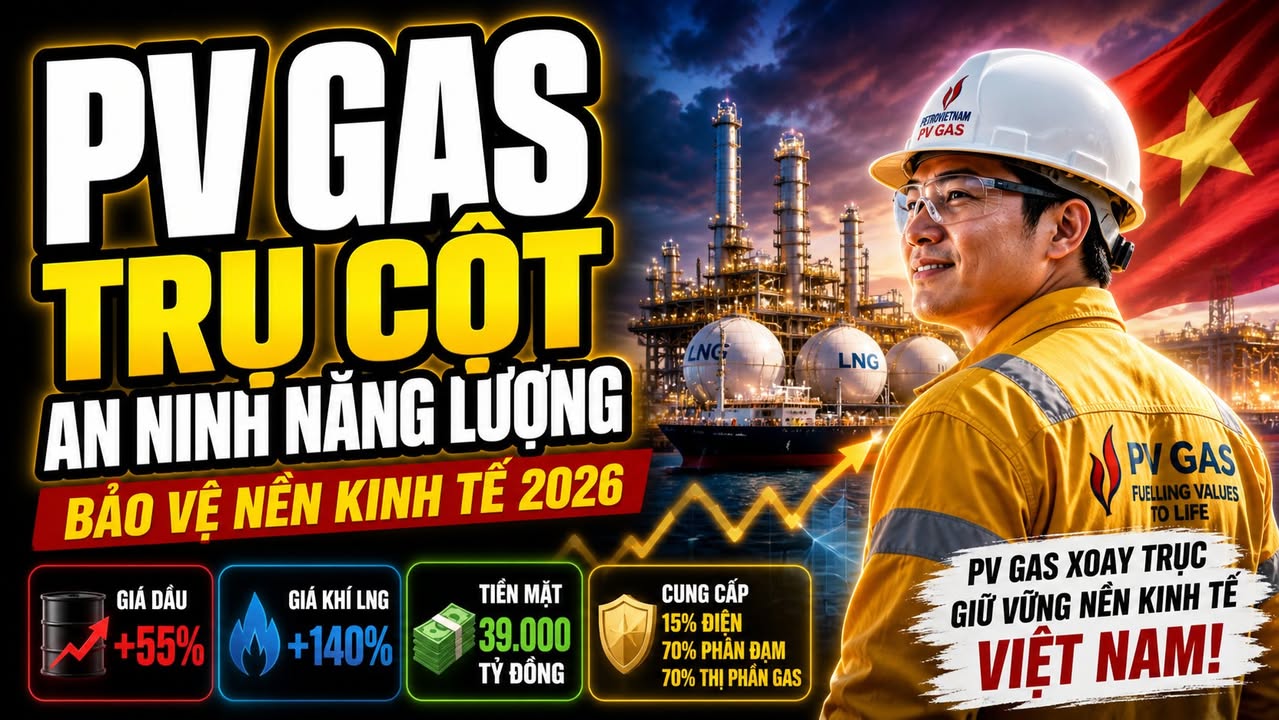
PV GAS: The Economic Fortress Overcoming the Global Energy Crisis 2026
As the world braces for an unprecedented energy crisis in 2026, PetroVietnam Gas (PV GAS) emerges as a strategic cornerstone in Vietnam's energy security and economic resilience. This state-owned energy giant has positioned itself not just as a utility provider but as a critical infrastructure backbone capable of weathering global energy turbulence while powering Vietnam's economic ambitions.
Understanding PV GAS: Vietnam's Energy Lifeline
PV GAS, officially PetroVietnam Gas Corporation, stands as Vietnam's leading natural gas processing and distribution enterprise. Established in 1998, the company has evolved into a comprehensive energy solutions provider, operating across the entire value chain from exploration to distribution. As a subsidiary of Vietnam Oil and Gas Group (PetroVietnam), PV GAS manages approximately 75% of the country's natural gas infrastructure, making it indispensable to Vietnam's energy landscape.
The company's operations span three primary segments:
- Gas processing and treatment
- Gas transportation via pipeline networks
- Gas distribution and trading
The 2026 Energy Crisis: Global Context
Energy analysts predict that 2026 will mark a critical juncture in global energy markets. Convergence of factors including post-pandemic economic recovery, geopolitical tensions, supply chain disruptions, and the accelerating energy transition is expected to create unprecedented volatility in energy prices and availability.
Key challenges anticipated include:
- Supply-demand imbalances in natural gas markets
- Geopolitical disruptions to traditional energy supply routes
- Infrastructure bottlenecks in emerging markets
- Accelerated transition pressures on fossil fuel-dependent economies
PV GAS's Strategic Positioning
Unlike many global energy companies facing existential threats from the energy transition, PV GAS has developed a multifaceted strategy to leverage its position as both a traditional energy provider and a future-oriented enterprise. The company's strategic approach includes:
Diversification of Energy Portfolio
While maintaining its core natural gas business, PV GAS has been strategically expanding into renewable energy sources, positioning itself as an integrated energy provider rather than a pure fossil fuel company.
| Energy Source | Current Contribution | 2026 Target | Strategic Importance |
|---|---|---|---|
| Natural Gas | 85% | 65% | Bridge fuel during transition |
| LNG | 10% | 20% | Import diversification |
| Renewables | 5% | 15% | Future growth driver |
Infrastructure Development
PV GAS has invested significantly in expanding and modernizing its infrastructure to enhance resilience and efficiency. The company's pipeline network now spans over 3,000 kilometers, connecting major gas fields to industrial zones and power plants across Vietnam.
Regional Integration
Recognizing that energy security extends beyond national borders, PV GAS has pursued regional integration through cross-border pipeline projects and LNG terminal developments. These initiatives create alternative supply routes and enhance the company's position in the regional energy market.
Key Initiatives for 2026
As the energy crisis approaches, PV GAS has outlined several critical initiatives to ensure continued operations and contribute to Vietnam's economic stability:
Strategic Reserves Enhancement
The company is expanding its underground gas storage capacity to ensure supply continuity during disruptions. By 2026, PV GAS aims to increase storage capacity by 40%, providing a crucial buffer against market volatility.
Digital Transformation
PV GAS is investing in digital technologies to optimize operations and enhance predictive maintenance capabilities. Implementation of AI-driven monitoring systems is expected to reduce operational costs by 15% while improving safety and reliability.
Green Transition Acceleration
Despite its core business in fossil fuels, PV GAS has established dedicated subsidiaries for renewable energy development. By 2026, the company plans to commission several floating solar projects and explore hydrogen production capabilities.
Challenges and Opportunities
Despite its strategic positioning, PV GAS faces significant challenges in the coming years:
- Market Volatility: Global energy price fluctuations could impact revenue stability
- Regulatory Uncertainty: Evolving environmental regulations may require accelerated transition strategies
- Geopolitical Risks: Regional tensions could affect supply chain security
- Competition: Emerging private sector players and international energy companies
These challenges, however, present opportunities for innovation and market consolidation. PV GAS's established infrastructure and government backing provide competitive advantages that new entrants cannot easily replicate.
Economic Impact and National Security
PV GAS's role extends beyond commercial operations to national security and economic stability. The company provides approximately 40% of Vietnam's electricity generation capacity and supplies raw materials for key industries including fertilizer production, electricity generation, and petrochemical manufacturing.
During the anticipated 2026 energy crisis, PV GAS's operations will be critical to:
- Maintaining industrial production continuity
- Ensuring stable electricity supply to residential consumers
- Supporting Vietnam's export-oriented manufacturing sector
- Preventing energy inflation that could destabilize the economy
International Collaboration
Recognizing that energy security requires international cooperation, PV GAS has established partnerships with global energy companies and international financial institutions. These collaborations provide access to technology, expertise, and capital necessary for large-scale infrastructure development.
Key international partners include:
- Japan International Cooperation Agency (JICA)
- Asian Development Bank (ADB)
- Major international oil and gas companies
- Regional energy associations
Future Outlook: Beyond 2026
While the immediate focus is on navigating the 2026 energy crisis, PV GAS has developed a long-term vision extending to 2040. The company's strategic roadmap includes:
- Complete integration of renewable energy into its portfolio
- Development of hydrogen infrastructure as part of the energy transition
- Expansion of regional energy networks to enhance market influence
- Digital transformation of all operations for enhanced efficiency
By successfully implementing these strategies, PV GAS aims to transition from a traditional gas company to a comprehensive energy solutions provider capable of adapting to whatever energy landscape emerges beyond 2026.
Conclusion: A Fortress of Energy Security
As the world approaches the challenging energy landscape of 2026, PV GAS stands as a testament to strategic foresight and adaptive leadership. Through infrastructure investment, portfolio diversification, and technological innovation, the company has positioned itself not just to survive the impending crisis but to contribute significantly to Vietnam's economic resilience.
The journey ahead is not without challenges, but PV GAS's comprehensive approach to energy security provides a model for other nations seeking to navigate the turbulent waters of global energy transformation. As Vietnam continues its economic development, PV GAS will remain at the forefront, ensuring that the nation's energy needs are met reliably and sustainably, regardless of global market conditions.