Reopening of Strait of Hormuz and Its Impact on Global Energy Markets
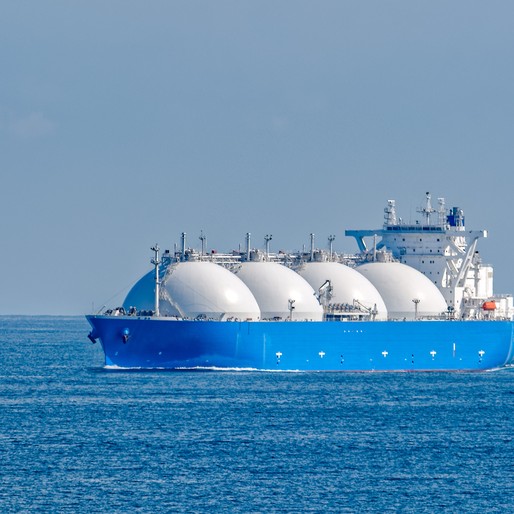
In a significant development for global energy transportation, an LNG (Liquefied Natural Gas) vessel successfully traversed the Strait of Hormuz on Monday, marking the first energy carrier to navigate this critical chokepoint since the United States and Iran announced an agreement to reopen the strait earlier this week. This milestone event comes after more than 100 days of closure that has significantly disrupted global energy supplies and impacted international shipping routes.
The US-Iran Agreement to Reopen the Strait of Hormuz
The historic agreement between the United States and Iran to reopen the Strait of Hormuz was announced on Sunday evening, following weeks of diplomatic negotiations. According to officials from both nations, the reopening is expected to take effect immediately after the formal signing of the agreement, which is scheduled for this coming Friday. The news of this breakthrough sent shockwaves through global energy markets, with Brent crude oil prices falling to $82 per barrel, while West Texas Intermediate (WTI) crude dipped below the $80 mark per barrel.
The Strait of Hormuz, a narrow waterway between Oman and Iran, serves as a critical transit route for approximately one-fifth of global oil consumption and nearly 30% of global liquefied natural gas trade. Its closure since late last year has created significant bottlenecks in energy supplies, particularly affecting Asian markets that depend heavily on Middle Eastern energy exports.
Current Shipping Traffic and Industry Response
Despite the positive news, ship owners and operators have remained cautious about immediately sending vessels through the region or allowing ships already in the Persian Gulf to rapidly transit toward Hormuz. However, the LNG carrier Disha successfully navigated through the strait on Monday, transporting LNG from Qatar to India. The vessel completed customs formalities at Hormuz and is currently in the Gulf of Oman, according to vessel tracking data from MarineTraffic.
The Disha had loaded LNG from Qatar's Ras Laffan port early in March, a time when the country had suspended LNG production and exports due to the closure of the Strait of Hormuz and missile attacks by Iran on LNG infrastructure at Ras Laffan. According to sources familiar with the matter, the vessel is now en route to India, carrying a cargo that represents a crucial energy supply for the South Asian nation.
India's Historical Role in LNG Transit Through Hormuz
Over the past few months, India has been receiving multiple LNG shipments from Qatar that have successfully passed through the Strait of Hormuz, following negotiations and assurances secured with Iran regarding safe transit corridors. The temporary agreement between the US and Iran, coupled with the reopening of the Strait of Hormuz, is expected to alleviate traffic congestion and allow more vessels to head toward the Middle East to secure supplies.
India, as one of the world's largest energy importers, has been particularly affected by the disruptions in the region. The country's strategic position as both an energy consumer and a growing hub for LNG re-export has made it a key stakeholder in maintaining open shipping lanes through the Strait of Hormuz.
Industry Caution and Safety Concerns
Shipping companies and operators are awaiting definitive confirmation before resuming normal transit operations, demonstrating a measured approach to testing the route until full safety assurances are in place. A spokesperson for Mitsui O.S.K. Lines, a Japanese shipping conglomerate, stated: "While we note positive developments regarding a potential ceasefire agreement, our policy remains unchanged; we will only resume navigation when safety has been fully confirmed."
This cautious approach reflects the broader industry sentiment that while the reopening of the Strait of Hormuz is a positive development, the underlying geopolitical tensions in the region have not been fully resolved. Many shipping companies are implementing enhanced security measures and are likely to maintain alternative routing options for their vessels in the coming weeks.
Market Implications and Energy Price Outlook
The reopening of the Strait of Hormuz has immediate implications for global energy markets, particularly in the pricing of crude oil and LNG. The following table summarizes the current price situation:
| Oil Type | Current Price (USD/barrel) |
|---|---|
| Brent Crude | 82 |
| West Texas Intermediate (WTI) | Below 80 |
The price declines reflect market optimism regarding increased supply availability and reduced transportation risks. However, analysts caution that the full impact on energy markets will depend on the stability of the reopening and whether the agreement between the US and Iran represents a lasting solution or merely a temporary reprieve.
Broader Implications for Global Energy Security
The successful reopening of the Strait of Hormuz represents a potential turning point in global energy security, offering relief to markets that have been strained by supply disruptions. However, the event also highlights the vulnerability of global energy supplies to geopolitical tensions in critical transit chokepoints.
For energy-importing nations, particularly those in Asia and Europe, the development brings hope for more stable energy prices and improved supply security. For energy-producing countries in the Middle East, the reopening restores a vital revenue stream that has been interrupted during the closure period.
As the energy industry navigates this new phase, the focus will be on monitoring implementation of the agreement, assessing the long-term stability of the region, and determining whether alternative energy routes and transportation methods need to be developed to mitigate future risks to global energy supplies.