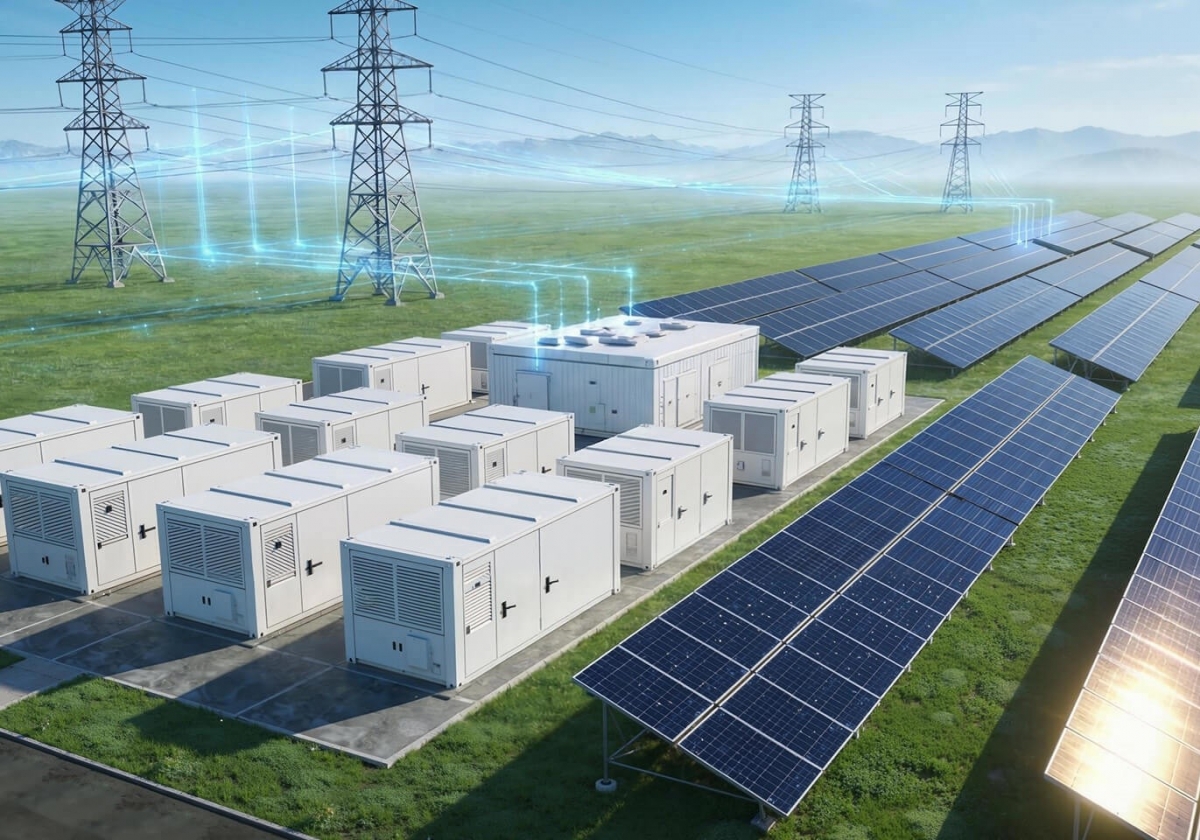
New Electricity Pricing Framework for Ground-Mounted and Floating Solar with BESS Integration
In the context of the global energy transition, solar power projects have become central to sustainable development strategies. Recently, Vietnam Electricity Group (EVN) has put forward a significant proposal regarding the clarification of effectiveness for ground-mounted and floating solar power projects integrated with Battery Energy Storage Systems (BESS). This has sparked a profound discussion on how to evaluate investments serving Vietnam's energy transition.
Current Landscape of Solar Power Development in Vietnam
The development of ground-mounted and floating solar power has attracted substantial interest from investors across Vietnam. The country has experienced remarkable growth in solar energy capacity over the past few years, with abundant solar resources making it an ideal location for solar power generation. However, these projects often face high investment costs, particularly when integrating BESS systems into their design. The initial capital expenditure for solar farms with BESS can be 20-30% higher than conventional solar installations, creating barriers to adoption despite their long-term benefits.
As of 2023, Vietnam has installed over 20 GW of solar capacity, ranking among the top countries in Southeast Asia for solar power deployment. The government has been actively promoting renewable energy through various incentive programs, recognizing the importance of diversifying the energy mix and reducing dependence on fossil fuels.
Benefits and Challenges of BESS Integration
Key Benefits of BESS Systems
- Grid Stability Enhancement: BESS systems provide essential grid services including frequency regulation, voltage support, and peak shaving, which are critical for maintaining grid stability as the share of variable renewable energy increases.
- Reduced Power Outages: By storing excess energy during peak production periods and releasing it during high demand or low generation, BESS systems minimize the risk of power cuts and improve reliability.
- Improved Renewable Energy Utilization: Energy storage allows for better utilization of solar resources by storing surplus generation for use during evening hours or cloudy periods, effectively extending the productive hours of solar assets.
- Financial Benefits: BESS enables participation in ancillary service markets, demand response programs, and energy arbitrage, creating additional revenue streams for project developers.
Implementation Challenges
- High Initial Investment Costs: The capital expenditure for BESS systems remains significant, with lithium-ion battery costs ranging from $150-300 per kWh, depending on technology and scale.
- Financial Viability Complexity: Calculating the return on investment for solar-plus-storage projects is challenging due to multiple variables including electricity prices, degradation rates, and regulatory frameworks.
- Technical and Operational Hurdles: Integration challenges, battery management complexities, and the need for specialized technical expertise pose operational challenges for developers.
- Regulatory Uncertainty: The absence of clear policies and pricing mechanisms for energy storage services creates uncertainty for investors.
EVN's Proposal for a Clear Pricing Framework
EVN has emphasized that to accurately evaluate the effectiveness of solar power projects integrated with BESS, a clear and transparent electricity pricing framework is essential. This framework would not only provide investors with a proper understanding of economic benefits but also facilitate sustainable development of the energy sector.
The proposed framework aims to establish feed-in tariffs or power purchase agreements that appropriately value the multiple services provided by BESS systems, including energy shifting, capacity provision, and ancillary services. By recognizing these additional values, the pricing structure would make solar-plus-storage projects more financially attractive while ensuring grid stability and reliability.
EVN's proposal comes at a critical time as Vietnam aims to increase its renewable energy share to 30% by 2030 and achieve carbon neutrality by 2050. The integration of energy storage will be crucial in achieving these ambitious targets by addressing the intermittency challenges of solar and other renewable sources.
Comparative Analysis of Solar Power Project Types
| Project Type | Initial Investment Cost (USD/kWh) | Levelized Cost of Energy (USD/MWh) | Economic Benefits | ||
|---|---|---|---|---|---|
| Ground-Mounted Solar | 1,000-1,200 | 40-60 | 20-25% increase in revenue with BESS | High | 18-22% |
| Floating Solar | 1,200-1,500 | 50-75 | 15-20% increase in revenue with BESS | Medium | |
| Rooftop Solar | 800-1,000 | 60-90 | 10-15% increase with small-scale BESS | Low-Medium |
Implications for Vietnam's Energy Transition
The establishment of a clear pricing framework for solar power projects with BESS integration represents a significant step in Vietnam's energy transition journey. This approach aligns with global best practices in renewable energy development and positions Vietnam as a leader in Southeast Asia's clean energy transformation.
By properly valuing the services provided by energy storage systems, Vietnam can attract more investment in solar-plus-storage projects, accelerate the deployment of renewable energy, and enhance grid reliability. This will not only help the country achieve its climate targets but also reduce energy import dependence and create economic opportunities in the growing clean technology sector.
EVN's proposal also reflects a sophisticated understanding of the evolving energy landscape, where traditional centralized generation models are giving way to more distributed, flexible, and intelligent systems. The integration of BESS with solar power is a critical component of this transformation, enabling higher penetration of renewable energy while maintaining grid stability.
Future Outlook and Recommendations
As Vietnam moves forward with developing its solar-plus-storage market, several key considerations should guide policy development and implementation:
- Phased Implementation: A gradual approach to introducing the new pricing framework would allow market participants to adapt and provide valuable feedback for refinement.
- Technology Neutral Approach: The framework should be technology-neutral to encourage innovation and cost reduction across different storage technologies.
- Long-Term Contracts: Stable, long-term power purchase agreements would provide the certainty needed to attract investment in capital-intensive projects.
- Grid Integration Support: Complementary policies should address grid integration challenges, including interconnection standards and system flexibility measures.
Conclusion
The discussion surrounding the electricity pricing framework for ground-mounted and floating solar power projects with BESS integration is not merely an economic issue but a crucial step in Vietnam's energy transition journey. Clarifying the effectiveness and feasibility of these projects will create momentum for investors while ensuring the sustainability of the national power system.
As Vietnam continues to expand its renewable energy capacity, the thoughtful integration of energy storage will be essential to maximizing the value of solar resources and ensuring a reliable, affordable, and clean energy future for the country. EVN's proactive approach to developing appropriate mechanisms for solar-plus-storage projects demonstrates the country's commitment to leading in the global energy transition.