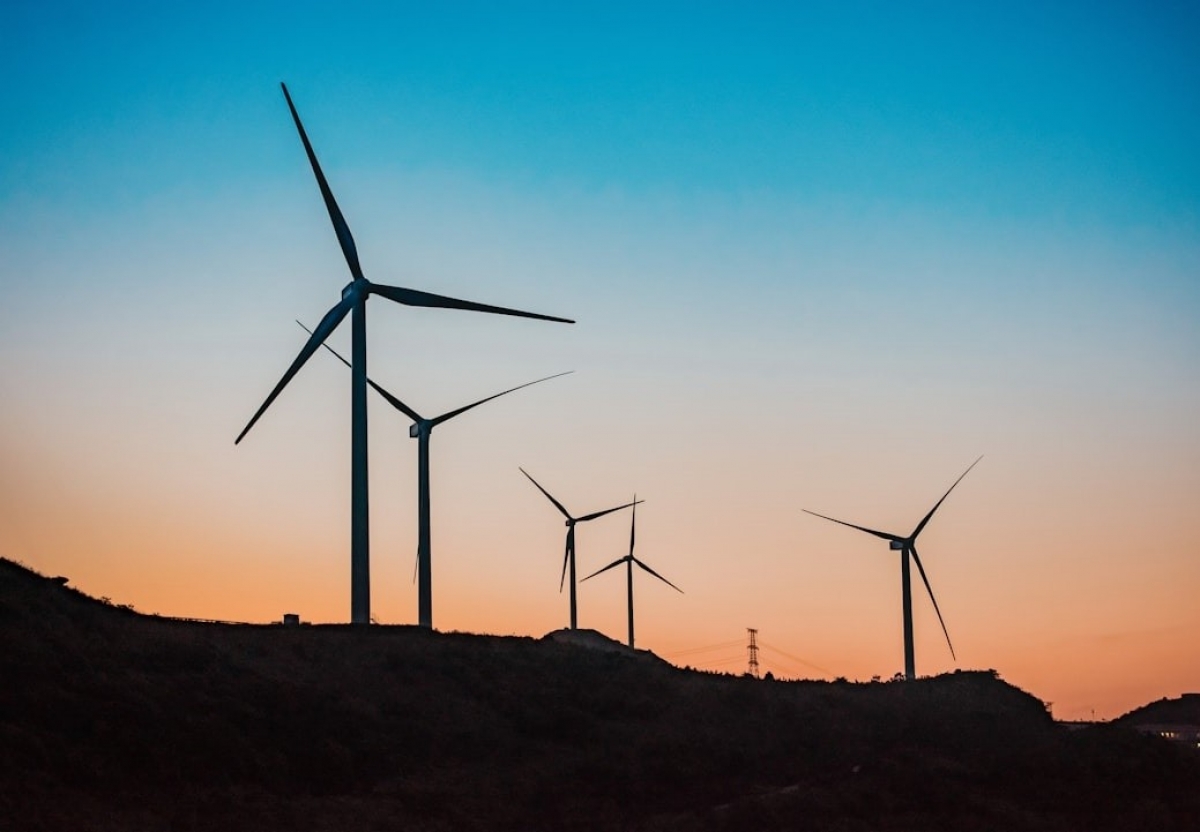
Streamlining Investment Preparation: Lessons from the Risen Phu Yen Wind Power Project in Son La Province
On June 11, 2026, the groundbreaking ceremony for the Risen Phu Yen Wind Power Plant, with a capacity of 80 MW, was officially held in Son La province. While not the largest wind power project in Vietnam nor the first to be implemented in the northern mountainous region, this project has garnered significant attention from industry professionals due to its remarkably rapid implementation timeline in the energy investment sector.
The Vietnamese renewable energy sector has been experiencing unprecedented growth in recent years, driven by government commitments to reduce carbon emissions and increase the share of clean energy in the national power mix. According to the Ministry of Industry and Trade, Vietnam aims to have 18% of its electricity generated from renewable sources by 2030, with wind power playing a crucial role in achieving this target. Against this backdrop, the Risen Phu Yen project stands out as a model of efficiency and effective project management.
Accelerated Implementation Timeline
The Risen Phu Yen Wind Power Project has significantly shortened the investment preparation phase—a critical factor in advancing renewable energy development in Vietnam. Typically, renewable energy projects face numerous obstacles during preparation, ranging from permit acquisition to land clearance. However, through determination and clear strategy, Risen has overcome these hurdles at an impressive pace.
Industry analysts note that the average time from initial planning to construction commencement for wind power projects in Vietnam ranges from 18 to 24 months. The Risen Phu Yen project, by contrast, appears to have compressed this timeline dramatically, though specific figures have not been disclosed. This acceleration is particularly noteworthy given the project's location in Son La province, which presents unique geographical and logistical challenges compared to coastal wind farms that are more common in Vietnam.
Key Success Factors
Several critical factors have contributed to the project's swift implementation:
- Comprehensive Investment Strategy: Risen developed a detailed investment plan covering everything from site surveys and design to construction. This holistic approach minimized delays and ensured all aspects of the project were properly coordinated from the outset.
- Effective Local Government Collaboration: The project received active support from local authorities, which significantly expedited the permit approval process. This cooperation included streamlined administrative procedures and dedicated support for navigating regulatory requirements.
- Experienced Project Team: The construction and project management teams consist of seasoned experts with extensive experience in the renewable energy sector. Their technical expertise and industry connections were instrumental in overcoming potential obstacles efficiently.
- Advanced Technology Integration: The project incorporates state-of-the-art wind turbine technology optimized for the specific wind conditions in Son La province, ensuring maximum efficiency and reliability.
Challenges and Solutions
Despite numerous advantages, the project faced several significant challenges:
- Land Acquisition Difficulties: Like many energy projects, land clearance presented a substantial challenge. Risen implemented community engagement initiatives and fair compensation packages to gain local acceptance. The company conducted extensive consultations with local communities to address concerns and ensure the project would bring tangible benefits to residents.
- Policy Fluctuations: The renewable energy market is in a state of policy refinement. Risen demonstrated flexibility by adjusting its strategy to align with new regulations, particularly concerning feed-in tariffs and grid connection requirements.
- Infrastructure Limitations: The remote location of Son La province posed challenges regarding grid connectivity and access for heavy equipment. The company developed innovative logistical solutions and invested in upgrading local infrastructure to support the project.
- Environmental Considerations: Conducting thorough environmental impact assessments while maintaining project momentum required careful coordination with environmental authorities and implementation of mitigation measures.
Expected Economic and Environmental Impact
Upon completion, the Risen Phu Yen Wind Power Plant will not only contribute clean energy to Vietnam's national grid but also create hundreds of jobs for local residents. The project is expected to generate approximately 250,000 MWh of electricity annually, reducing carbon emissions by approximately 150,000 tons per year.
Economically, the project represents a significant investment in Son La province, with direct benefits including job creation during construction and operation, increased local tax revenue, and opportunities for local businesses to participate in the supply chain. Socially, the project is expected to improve local infrastructure and potentially stimulate related economic activities in the region.
The environmental benefits align with Vietnam's broader climate commitments under the Paris Agreement. By displacing fossil fuel-based generation, the wind farm will contribute to reducing air pollution and mitigating climate change impacts.
Broader Implications for Vietnam's Renewable Energy Development
The Risen Phu Yen project offers valuable lessons for Vietnam's renewable energy sector:
- Streamlined Processes: The project demonstrates that with proper planning and stakeholder engagement, the typically lengthy approval processes for renewable energy projects can be significantly accelerated.
- Public-Private Partnerships: The close collaboration between Risen and local authorities highlights the importance of strong public-private partnerships in developing renewable energy projects efficiently.
- Community Engagement: Successful community engagement strategies are essential for overcoming social acceptance challenges, particularly in regions where land use may be sensitive.
- Technology Adaptation: The project showcases the importance of adapting technology to local conditions rather than applying standardized solutions.
These lessons are particularly relevant as Vietnam continues to expand its renewable energy capacity to meet growing electricity demand while transitioning to a low-carbon economy. The success of the Risen Phu Yen project could encourage similar approaches in other renewable energy developments across the country.
Project Summary
| Information | Details |
|---|---|
| Project Name | Risen Phu Yen Wind Power Plant |
| Capacity | 80 MW |
| Groundbreaking Date | June 11, 2026 |
| Location | Son La Province, Vietnam |
| Significance | Provides clean energy to national grid, creates local employment, demonstrates efficient project implementation |
| Expected Annual Generation | Approximately 250,000 MWh |
| Carbon Reduction | Approximately 150,000 tons per year |
The Risen Phu Yen Wind Power Project not only delivers economic benefits but also serves as a model for sustainable development in Vietnam's renewable energy sector. The lessons learned from this project—particularly regarding efficient implementation, community engagement, and adaptive strategies—could significantly influence the development of future renewable energy projects across Vietnam. As the country continues its transition toward cleaner energy sources, such models of efficient project execution will be invaluable in meeting both energy needs and climate commitments.