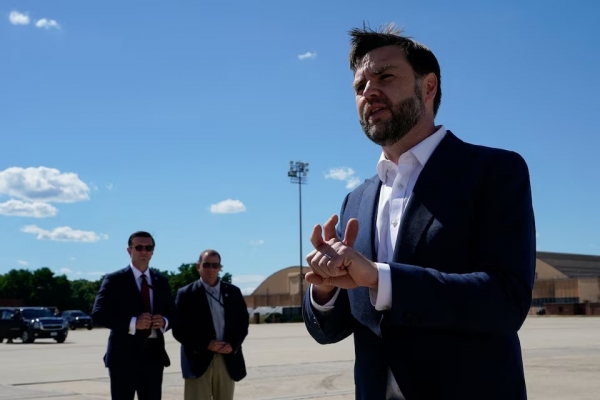
US Vice President Conducts Surprise Diplomatic Mission in Switzerland for Iran Negotiations
In a significant development in international diplomacy, United States Vice President JD Vance arrived in Switzerland early on the morning of June 21 to participate in crucial negotiations with an Iranian delegation. This high-stakes meeting comes amid escalating tensions between the two nations and represents a concerted effort to find peaceful resolutions to longstanding issues.
Historical Context of US-Iran Relations
The current negotiations occur against a backdrop of decades of complex relations between the United States and Iran, which have experienced numerous periods of both cooperation and confrontation. The situation has been particularly strained since the United States unilaterally withdrew from the Joint Comprehensive Plan of Action (JCPOA), commonly known as the Iran nuclear deal, in 2018.
Following the withdrawal, the Trump administration reinstated and expanded sanctions on Iran, leading to a deterioration of the nuclear agreement. In response, Iran gradually began rolling back its own commitments under the JCPOA, advancing its nuclear capabilities beyond the limits stipulated in the original agreement. This has created a precarious situation that has raised concerns among international partners about the potential for regional instability and the possibility of Iran developing nuclear weapons capabilities.
Key Milestones in Recent US-Iran Relations
| Year | Significant Event |
|---|---|
| 2015 | JCPOA nuclear agreement signed between Iran and world powers |
| 2018 | US withdraws from JCPOA under President Trump |
| 2019-2020 | Iran begins reducing compliance with JCPOA restrictions |
| 2020 | Assassination of Iranian General Qasem Soleimani escalates tensions |
| 2021-2023 | Multiple rounds of indirect negotiations in Vienna to restore JCPOA |
| 2024 | New diplomatic efforts initiated by current administration |
Primary Objectives of the Current Negotiations
The talks between Vice President Vance and the Iranian delegation are understood to have several key objectives, reflecting the multifaceted nature of the relationship between the two nations.
Diplomatic Priorities
- Nuclear Non-Proliferation: The foremost objective is to address Iran's nuclear program and prevent the development of nuclear weapons capabilities. The United States seeks to establish verifiable constraints on Iran's nuclear activities, including enrichment levels, stockpiles, and monitoring mechanisms.
- Regional Stability: A critical component of the discussions involves reducing Iran's military activities in the Middle East. This includes limiting support for various proxy groups in Iraq, Syria, Lebanon, Yemen, and other conflict zones, which have contributed to regional instability and drawn condemnation from neighboring states and international partners.
- Diplomatic Channel Restoration: The Biden administration aims to reestablish regular communication channels between Washington and Tehran. This would facilitate crisis management, reduce the risk of miscalculation or accidental escalation, and create a foundation for addressing other bilateral issues.
Discussions are expected to explore potential sanctions relief measures that could be implemented in exchange for verifiable Iranian concessions on nuclear and regional issues, creating a more balanced approach to addressing concerns on both sides.
International Reactions and Implications
The surprise diplomatic mission has drawn significant attention from the global community, with various nations and international organizations expressing interest in the proceedings.
European allies of the United States, including France, Germany, and the United Kingdom, have welcomed the renewed diplomatic efforts. These nations had been strong supporters of the original JCPOA and have consistently urged the United States to engage with Iran diplomatically to prevent further escalation of tensions in the region.
Regional powers have also been closely monitoring the developments. Israel, which has historically expressed strong opposition to the JCPOA, has yet to issue an official statement regarding these specific negotiations, though previous statements have emphasized the need for stringent measures to prevent Iran from obtaining nuclear weapons.
Meanwhile, neighboring Arab states have expressed cautious optimism about the potential for reduced Iranian military activity in the region, which could contribute to greater stability and security.
Vice President JD Vance: Profile and Diplomatic Approach
JD Vance, who assumed the role of Vice President earlier this year, has emerged as a significant figure in American foreign policy. With a background in technology, venture capital, and politics, Vance brings a unique perspective to international diplomacy that combines strategic thinking with pragmatic problem-solving.
Throughout his political career, Vance has demonstrated a willingness to engage in complex diplomatic challenges, often advocating for direct dialogue between adversaries. His approach to foreign policy emphasizes the importance of addressing root causes of conflicts rather than merely managing symptoms, which aligns with the administration's strategy in the Middle East.
Prior to his current role, Vance gained recognition for his insights into technological innovation and its geopolitical implications, perspectives that may inform his approach to negotiating with Iran, a nation with rapidly advancing technological capabilities in various sectors.
Precedent-Setting Nature of the Negotiations
This particular negotiation marks several departures from previous diplomatic efforts between the United States and Iran:
- It represents one of the first direct high-level meetings between the two nations in recent years.
- The location in Switzerland, rather than in a third country, suggests a desire for more discreet and focused discussions.
- The inclusion of nuclear, regional security, and diplomatic normalization issues in a single forum indicates a more comprehensive approach to addressing the bilateral relationship.
Detailed Overview of the Diplomatic Mission
| Aspect | Details |
|---|---|
| Date of Arrival | June 21, early morning |
| Location | Switzerland (specific venue not disclosed for security reasons) |
| US Delegation | Led by Vice President JD Vance, including senior advisors from the State Department, National Security Council, and intelligence community |
| Iranian Delegation | Senior Iranian diplomats, reportedly including representatives from the foreign ministry and nuclear agency |
| Duration | Expected to last two days with potential for extension |
| Key Topics | Nuclear program, regional security, sanctions, and diplomatic relations |
| Expected Outcomes | Potential framework for renewed negotiations, confidence-building measures, and agenda for future talks |
Significance for Global Security and Diplomacy
The outcome of these negotiations could have far-reaching implications for global security and international diplomacy. A successful resolution to the nuclear standoff with Iran would not only prevent a potential nuclear crisis in the Middle East but could also serve as a model for addressing other complex international security challenges.
For the United States, these talks represent a significant opportunity to demonstrate its commitment to multilateral diplomacy and its ability to address critical security concerns through peaceful means. The Biden administration has consistently emphasized the importance of diplomacy in resolving international disputes, and the success of these negotiations could validate that approach.
From a broader perspective, the engagement between the United States and Iran comes at a time when international cooperation is increasingly essential to address global challenges such as climate change, pandemics, and economic instability. Restoring channels of communication between these two influential nations could contribute to a more effective international system capable of tackling shared problems.
As the negotiations continue, the international community will be watching closely for signs of progress. The challenges are significant, but the potential rewards—in terms of enhanced security, stability, and diplomatic cooperation—are substantial enough to warrant sustained diplomatic engagement from all parties involved.