Iraq Diversifies Oil Export Routes, Reducing Dependence on Strait of Hormuz
The recent crisis in the Strait of Hormuz has left profound lessons for oil-exporting nations, particularly Iraq. According to sources from Reuters, Iraq is preparing to export crude oil and naphtha through Syria's Mediterranean port of Baniyas, expanding an emergency alternative solution that emerged when the closure of Hormuz disrupted the country's primary export route, causing oil storage facilities to become overwhelmed.
This strategy will be maintained even after normal shipping through Hormuz resumes, a clear indication that policymakers no longer wish to rely on this precarious route.
The Perils of Over-Reliance on a Single Route
Iraq typically exports approximately 3.6 million barrels of oil per day, with about 3.4 million barrels passing through ports in the Gulf. When Hormuz nearly closed earlier this year, one of OPEC's largest producers suddenly faced a risk that many policymakers had considered merely hypothetical for decades.
This excessive dependence on a single route had severe consequences for Iraq's economy, forcing the government to seek immediate alternatives to avoid overloading the country's oil storage facilities.
Syria Export Plan
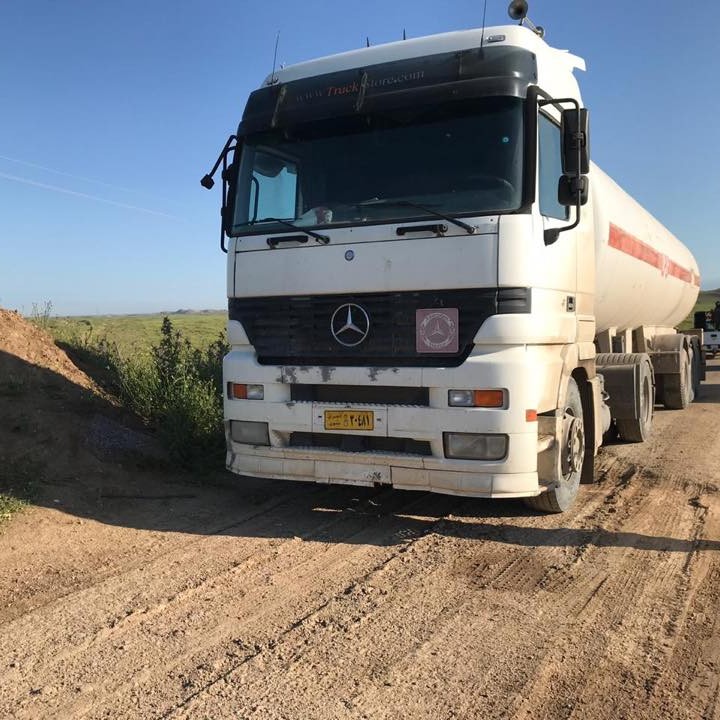
Under the plan, the first crude oil shipments through Syria are expected to begin in July at around 50,000 barrels per day. Concurrently, fuel shipments have already been transported by truck to the Baniyas port for export to European and African markets.
To meet growing demand, Syria is expanding port infrastructure and preparing additional unloading facilities to handle the increasing volume of oil. This is seen as a strategic move to reduce dependence on the southern route through the Strait of Hormuz.
| Iraq Oil Export Information | Pre-Hormuz Crisis | During Hormuz Crisis | Long-term Plan |
|---|---|---|---|
| Total Export Volume | 3.6 million barrels/day | Significantly reduced | 3.6 million barrels/day (diversified) |
| Exports via Hormuz | 3.4 million barrels/day | Closed | Significantly reduced |
| Exports via Baniyas | 0 | Began by truck | 50,000 barrels/day (starting July) |
Regional Trend Toward Route Diversification
Iraq's search for alternative export routes is not an isolated case. This is an increasingly clear trend throughout the Middle East region:
- Saudi Arabia: Has relied heavily on the East-West pipeline during the Hormuz disruption.
- UAE: Is promoting plans to expand export capacity outside the Strait of Hormuz.
- Iraq: Is exploring routes through both Syria and Turkey.
Throughout the region, energy producers are investing in alternative solutions rather than assuming that Hormuz will always be available.
Market Reaction After Hormuz Incident
Although the market initially celebrated the reopening of the Strait of Hormuz, reality quickly intervened. Negotiations scheduled for Friday in Switzerland were canceled before they began. Iran's Islamic Revolutionary Guard Corps (IRGC) warned vessels against entering the strait, citing Washington's violation of the newly signed agreement.
Oil tanker operators remain hesitant to return to the world's most politically sensitive shipping lane. As a result, the region is increasingly focusing on building backup solutions.
Long-term Vision of Energy Producers
The recent events at Hormuz have made it clear that major energy transport routes cannot be considered certain. Energy producers in the region are shifting to a backup mindset, investing in alternative infrastructure and diversifying export routes.
Iraq's decision to maintain the Baniyas route even after Hormuz resumes operations is a clear testament to this strategic shift in thinking. Leaders recognize that dependence on a single route creates unacceptable risks to energy security and economic stability.
| Alternative Export Routes Being Developed | Country Involved | Current Status | Expansion Potential |
|---|---|---|---|
| East-West Pipeline | Saudi Arabia | Used during crisis | High |
| Baniyas Port (Syria) | Iraq | Being expanded | High |
| Pipeline via Turkey | Iraq | Under consideration | Moderate |
| Facilities outside Hormuz | UAE | Under development | High |
This shift reflects not only changes in energy policy but also a shift in geopolitical thinking. Countries in the region recognize that ensuring access to global energy markets is vital to national security and economic stability.
The future of Middle Eastern oil may see significantly greater diversification of export routes, reducing dependence on geopolitical chokepoints like the Strait of Hormuz. This is not merely a lesson from the recent incident but preparation for potential geopolitical challenges in the future.