Iraq Pursues Sustainable Oil Export Solutions Through Syria Amid Strait of Hormuz Uncertainty
In a strategic shift reflecting growing concerns over the vulnerability of Middle Eastern energy export routes, Iraq is actively developing a sustainable oil export corridor through Syria to the Mediterranean Sea. This initiative, born out of necessity when the Strait of Hormuz closure disrupted primary export channels and nearly filled the country's storage capacity, represents a significant diversification of Iraq's energy export strategy.
Senior Iraqi officials have confirmed that this alternative export route through Syria's Baniyas port will continue to operate even after normal shipping through the Strait of Hormuz resumes. This decision underscores a fundamental recognition that geopolitical risks in the Persian Gulf region are not temporary concerns but require long-term strategic planning.
Strategic Diversification of Iraq's Oil Export Infrastructure
The Iraqi government's decision to establish a permanent export route through Syria marks a significant departure from traditional energy export patterns in the region. According to industry sources familiar with the planning process, this initiative represents not merely an emergency response but a deliberate strategy to reduce dependency on the strategically precarious Strait of Hormuz.
"We cannot afford to be caught in a position of vulnerability again," stated an Iraqi oil ministry official who requested anonymity due to the sensitivity of the matter. "The events earlier this year demonstrated that our reliance on a single chokepoint creates unacceptable risks to our economy and national security."
| Export Route | Capacity (barrels per day) | Strategic Importance |
|---|---|---|
| Traditional Southern Ports (via Strait of Hormuz) | 3.4 million | Primary historical route |
| New Syrian Mediterranean Route | 50,000 (initial) | Strategic diversification |
| Total Iraqi Oil Production | 3.6 million | Maximum export capacity |
Implementation Timeline and Infrastructure Development
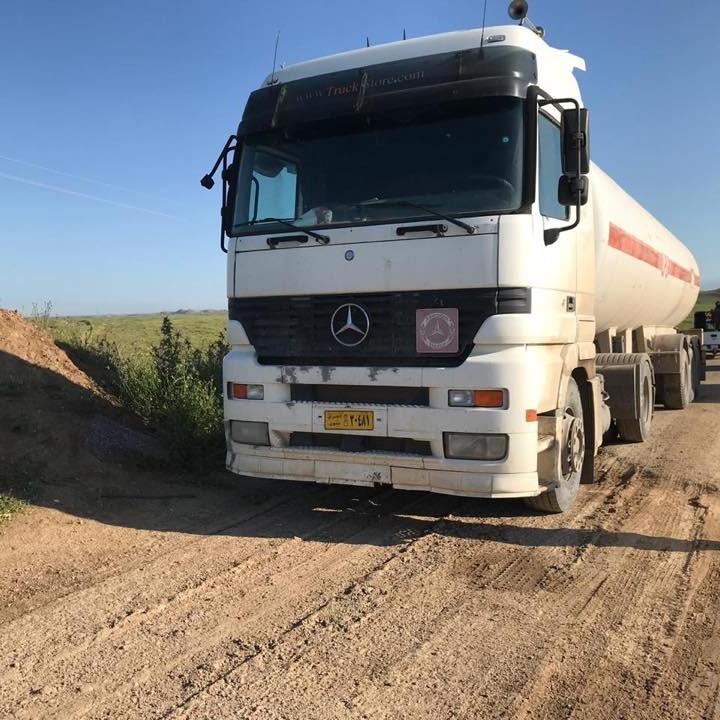
The phased implementation of this alternative export route is already underway, with initial crude oil shipments expected to commence in July 2023 at a volume of approximately 50,000 barrels per day. Concurrently, Iraq has begun transporting refined petroleum products, including naphtha, by truck to the Baniyas port for export to European and African markets.
Syrian authorities are actively expanding port infrastructure to accommodate the increasing flow of Iraqi petroleum products. Development plans include additional unloading facilities and enhanced storage capacity to handle the growing volume of exports. This infrastructure modernization represents a significant investment in Syria's post-conflict economic recovery while simultaneously strengthening regional energy connectivity.
Regional Shift: Beyond Emergency Response to Strategic Planning
Iraq's initiative is part of a broader strategic realignment across Middle Eastern energy producers, reflecting a fundamental reassessment of export route vulnerabilities. The closure of the Strait of Hormuz earlier this year served as a wake-up call for regional producers, prompting systematic efforts to develop alternative export corridors.
Saudi Arabia demonstrated this shift by significantly increasing utilization of its east-west pipeline during the Hormuz disruption, allowing crude oil to reach Red Sea ports without traversing the strait. Similarly, the United Arab Emirates has accelerated plans to expand its Jebel Ali port capacity and develop alternative pipeline routes to the Gulf of Oman.
"The events of this year have fundamentally changed how regional energy producers approach route security," explains Dr. Fatima Al-Zahra, an energy security analyst at the Gulf Research Center. "We're witnessing a shift from reactive crisis management to proactive strategic diversification. Each major producer is now developing multiple redundant export pathways to ensure continued market access even during periods of regional instability."
Current Market Dynamics and Persistent Uncertainty
The initial market optimism following the reopening of the Strait of Hormuz has been tempered by persistent geopolitical tensions. Despite the resumption of shipping through the strait, market confidence remains fragile due to several complicating factors:
- Recent negotiations scheduled in Switzerland were postponed indefinitely after Iran's Islamic Revolutionary Guard Corps (IRGC) issued warnings to vessels not to enter the Strait of Hormuz, citing alleged violations of recent agreements.
- International tanker operators continue to demonstrate risk aversion, with many opting for longer alternative routes despite increased transportation costs.
- Insurance premiums for vessels transiting the strait have remained elevated compared to pre-crisis levels.
These factors have contributed to a sustained premium on Brent crude oil, with the market pricing in ongoing geopolitical risks in the Persian Gulf region.
Geopolitical Implications and Regional Realignment
The development of the Iraqi-Syrian oil corridor carries significant geopolitical implications beyond mere economic considerations. This infrastructure project represents a strengthening of economic ties between Iraq and Syria, potentially facilitating broader regional cooperation in the energy sector.
From a strategic perspective, this alternative export route reduces Iraq's vulnerability to potential embargoes or blockades while simultaneously providing Syria with a valuable source of revenue and economic revitalization. The corridor also positions Iraq to more effectively serve European and Mediterranean markets, potentially enhancing its competitiveness in these key markets.
"The emergence of this alternative export route represents a significant shift in regional energy dynamics," notes Dr. Ahmed Hassan, a Middle East energy policy expert. "It not only enhances Iraq's energy security but also creates new economic interdependencies that could influence broader regional relations in the coming years."
Future Outlook and Strategic Considerations
Looking forward, the Iraqi-Syrian oil corridor is expected to gradually expand its capacity beyond the initial 50,000 barrels per day. Long-term planning documents reviewed by industry analysts suggest potential capacity increases to 200,000-300,000 barrels per day within five years, contingent on continued infrastructure development and market conditions.
For Iraq, this strategic diversification represents a critical component of its broader economic development strategy. By reducing dependency on a single export corridor, the country aims to stabilize its revenue streams, enhance economic predictability, and create more favorable conditions for long-term investment in its oil sector and broader economy.
As the global energy landscape continues to evolve, with increasing emphasis on energy security and supply chain resilience, Iraq's initiative through Syria may serve as a model for other resource-rich regions seeking to mitigate geopolitical risks and ensure sustainable market access.
Conclusion: A New Paradigm in Middle Eastern Energy Exports
The development of a sustainable oil export corridor through Syria marks a significant departure from traditional energy export patterns in the Middle East. This strategic initiative reflects a fundamental recognition among regional producers that energy security requires diversification beyond historically dominant routes.
As geopolitical uncertainties in the Persian Gulf persist, Iraq's commitment to this alternative export route demonstrates a pragmatic approach to risk management and strategic planning. The Syrian corridor, alongside similar initiatives across the region, represents a new paradigm in Middle Eastern energy exports—one characterized by redundancy, flexibility, and a heightened awareness of geopolitical vulnerabilities.
In an increasingly complex global energy landscape, the ability to adapt and diversify export routes will likely become a critical competitive advantage for energy-producing nations. Iraq's proactive approach to developing alternative export pathways through Syria positions it favorably in this evolving environment, potentially enhancing its economic resilience and international standing in the years to come.