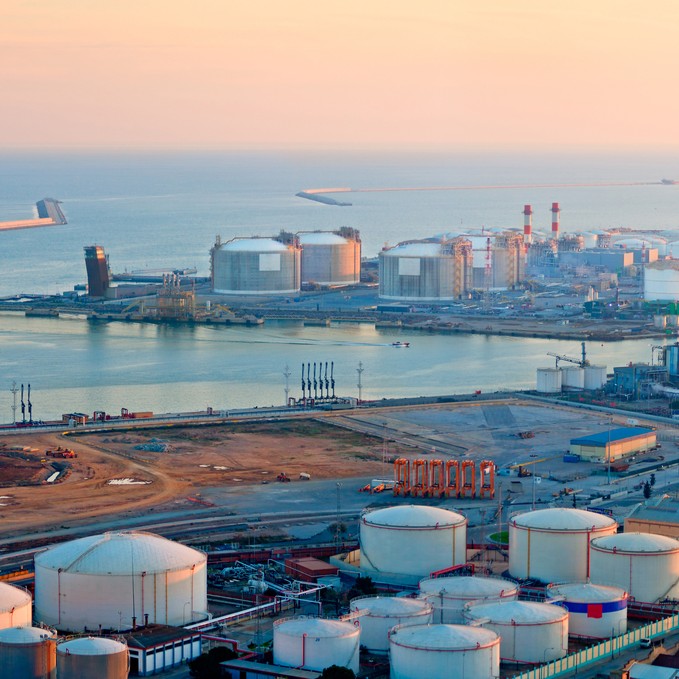
China Builds Second LNG Port Amid Surge in Russian Gas Imports
In a strategic move to strengthen its energy security and diversify import sources, China is preparing to construct a second specialized port to receive Liquefied Natural Gas (LNG) from Russia. According to exclusive reports from Reuters, the new Longkou LNG facility in Shandong Province, eastern China, will specifically handle imports from Russia's $21 billion Arctic LNG 2 project, marking a significant expansion in energy cooperation between the two nations.
Strategic Significance of the Longkou LNG Port
The development of the Longkou LNG port represents a critical component of China's broader energy strategy amid evolving global market dynamics. As the world's largest energy consumer and importer, China has been actively seeking to secure reliable energy sources while navigating complex geopolitical challenges and market disruptions.
The new port facility is being constructed at a time when China's LNG imports have reached significant levels, with daily imports rising to 178,000 tons—the highest since February. This surge in demand reflects both China's growing energy needs and its strategic response to global supply chain disruptions.
Technical Specifications and Operational Details
| Parameter | Specification |
|---|---|
| Location | Shandong Province, eastern China |
| Operator | PipeChina (state-owned pipeline monopoly) |
| Targeted Operation | Before October 2026 (to meet winter heating demand peak) |
The port's strategic location offers logistical advantages, particularly in relation to Russia's floating storage units in the Far East. Longkou's proximity to the Koryak floating storage unit in Russia's Far East facilitates more efficient logistics for storage and reloading of cargo from the Arctic LNG 2 project.
Market Context: Global LNG Disruptions and China's Response
The acceleration of China's LNG import strategy comes in response to significant disruptions in global LNG supply chains. The closure of the Strait of Hormuz and damage to Qatar's Ras Laffan complex have severely impacted LNG flows from the Middle East, creating uncertainty in global markets.
In response to these challenges and to prepare for peak summer demand, both state-owned and private Chinese enterprises have actively increased spot market purchases. This aggressive procurement strategy has helped China secure adequate supplies while contributing to the stabilization of global LNG prices.
The Russian Gas Component in China's Energy Mix
Russia has emerged as an increasingly important supplier in China's energy portfolio, particularly following Western sanctions on Russian energy exports. The Beihai port, currently the main center for handling sanctioned Russian gas, requires additional infrastructure support to accommodate the growing volume of restricted cargo.
The development of Longkou port addresses this need by providing specialized infrastructure capable of handling Russian LNG shipments that face secondary sanctions from the United States. By isolating Beihai port before deliveries begin, China has effectively cut off long-term LNG shipments from Australia to this facility, protecting the remaining energy infrastructure from potential secondary sanctions.
Commercial Terms and Economic Considerations
To attract Chinese buyers, Russia's state-owned energy company Novatek has significantly reduced freight rates by 30-40%, according to Reuters sources. This pricing strategy reflects Russia's determination to maintain and expand its market share in Asia amid Western sanctions and competition from other suppliers.
The Dalian port in Liaoning Province, already connected to existing pipeline networks from Russia, further strengthens China's capability to receive and distribute Russian LNG. Together, these facilities create a comprehensive infrastructure network that enhances China's energy security and bargaining position in global markets.
Arctic LNG 2 Delivery Schedule
| Delivery Start Date | Number of Shipments | Total Volume (Tons) |
|---|---|---|
| August 2025 | Over 40 shipments | Approximately 2.6 million tons |
Strategic Implications and Future Outlook
The construction of Longkou port and the expansion of Russian LNG imports reflect China's pragmatic approach to energy security in an increasingly volatile global environment. By diversifying suppliers and developing specialized infrastructure, China aims to reduce its vulnerability to geopolitical tensions and supply disruptions.
This development also underscores the deepening energy partnership between China and Russia, with both countries finding mutual benefits in strengthening economic ties despite international pressure. The Arctic LNG 2 project represents a significant investment in Russia's Arctic resources, with China emerging as a key market for its output.
Looking ahead, the Longkou port is expected to play a crucial role in meeting China's growing energy demands, particularly during winter months when heating requirements peak. The facility's operational timeline before October 2026 suggests careful planning to ensure readiness for the upcoming winter seasons.
As global energy markets continue to evolve, China's strategic investments in LNG infrastructure and its deepening energy relationship with Russia are likely to reshape regional and global energy flows, creating new dynamics in the international energy landscape.