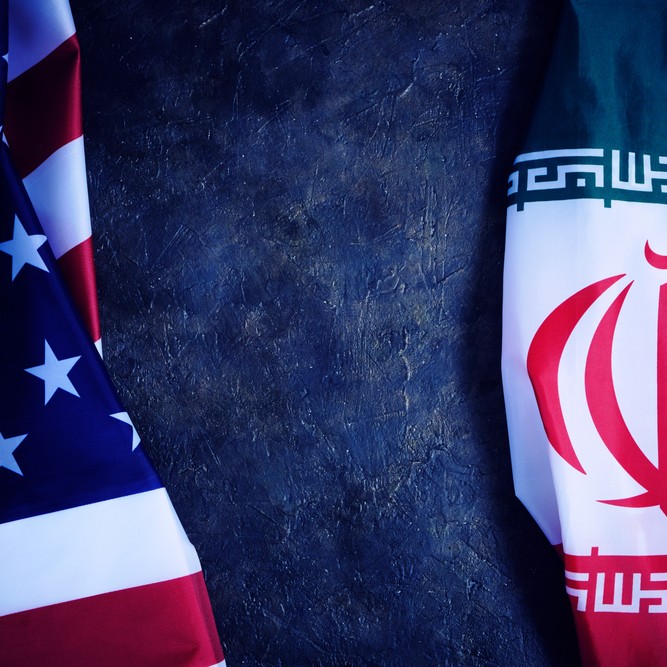
Significant Developments in Iran-US Peace Negotiations
In recent days, both Iran and the United States have acknowledged notable progress in ongoing negotiations aimed at achieving a final peace agreement, though comments from both sides indicate the fragile nature of these discussions. The diplomatic engagement represents one of the most significant attempts to normalize relations between the two nations after years of tensions and mutual distrust.
Recent Breakthroughs in Negotiations
On June 22, following the conclusion of weekend talks in Switzerland, US Vice President JD Vance announced "good" progress achieved during the negotiations. However, President Donald Trump subsequently issued a stark warning to Tehran, stating that "I will do what is necessary" if Iran fails to comply with agreements with Washington.
Trump emphasized: "If Iran does not live up to their agreements, or if they don't behave properly, I will do what I have to do." The President did not elaborate on potential measures that might be employed, leaving the nature of consequences deliberately ambiguous. This statement reflects the delicate balance between diplomatic engagement and maintaining leverage in the negotiations.
Key Terms in the Proposed Framework Agreement
According to Vice President Vance, significant progress has been made in establishing a framework for a final peace agreement within the next 60 days. The framework includes several critical components:
- Ensuring the safety of maritime navigation through the Strait of Hormuz
- Ending conflicts in Lebanon
- Iran's acceptance of inspections by international nuclear inspectors
"We have laid a very good foundation for a successful final agreement," stated Vance during his remarks at the Burgenstock resort in Switzerland. This location has become a significant diplomatic venue for Middle Eastern peace talks, providing a neutral environment for sensitive negotiations.
Oil Production and Trade Provisions
As part of the support for the ongoing negotiations, Washington has announced that it will permit Iran to produce, transport, and sell oil on the international market as part of the framework agreement for peace negotiations. This represents a significant concession, as oil exports have been heavily restricted under previous sanctions.
According to Treasury Secretary Scott Bessent, Iran has committed to allowing inspectors from the International Atomic Energy Agency (IAEA) into the country and ensuring free passage through the Strait of Hormuz. These commitments appear to be reciprocal measures designed to build trust between the negotiating parties.
| Provision | Description |
|---|---|
| Safety through Hormuz Strait | Mechanisms will be established to ensure the safety of maritime vessels in this critical waterway. |
| Nuclear inspections | IAEA will be granted access to Iran to conduct comprehensive inspections of nuclear facilities. |
| Reconstruction fund | The US will support the release of Iran's $300 billion frozen assets upon achievement of a final agreement. |
Iran's Perspective on the Negotiations
Iran has also expressed positive assessments of the negotiations. Mohammad Baqer Qalibaf, head of Iran's negotiating delegation and Speaker of the Parliament, reported that Tehran had agreed to establish communication channels related to vessel traffic through the Strait of Hormuz. He also announced that terms for the unfreezing of $12 billion in frozen assets have been finalized.
"These initial agreements create a pathway for more comprehensive discussions," Qalibaf stated during a press conference following the negotiations. "We are approaching these talks with the hope of establishing lasting peace and stability in the region."
Challenges Remaining in the Negotiation Process
Despite the progress made, many specific details of the proposed agreement remain undisclosed. The terms outlined in the Memorandum of Understanding (MOU) signed between the US and Iranian presidents contain several points open to interpretation, which could potentially become sources of contention in future implementation.
To address these complexities, working groups will be established to handle issues related to nuclear capabilities, sanctions, and monitoring mechanisms to ensure effective enforcement of the MOU. These specialized committees will play a crucial role in translating the broad framework into actionable policies.
Reactions from Regional and International Leaders
The negotiations have drawn varied responses from regional stakeholders. Several Israeli leaders have expressed skepticism about certain aspects of the proposed agreement, emphasizing that Israel is not a party to the deal and committing to continue attacks on Hezbollah positions in Lebanon. These statements reflect ongoing concerns about Iran's regional influence and military activities.
Concurrently, hardline factions within Iran, including the Islamic Revolutionary Guard Corps, have exerted pressure on Tehran's negotiating teams. These internal dynamics add another layer of complexity to the diplomatic process, as negotiators must balance international commitments with domestic political realities.
Regional Implications and Future Prospects
The potential Iran-US peace agreement carries significant implications for regional stability in the Middle East. A successful resolution could reshape geopolitical alignments, potentially reducing tensions in the Persian Gulf and creating opportunities for economic cooperation. The normalization of relations between Washington and Tehran could also influence conflicts in Yemen, Syria, and Lebanon.
International observers have noted that the current negotiations represent a diplomatic opportunity that has not been available in recent years. Both nations appear to recognize the potential benefits of reduced hostilities, though the path to a comprehensive agreement remains fraught with challenges.
Conclusion
With the recent developments in peace negotiations between Iran and the United States, both parties are moving toward what could be a landmark agreement bringing peace and stability to the region. However, the persistent challenges and skepticism from various quarters suggest that achieving a final, comprehensive agreement will require continued diplomatic skill, compromise, and political will from all involved parties.
The coming 60-day period will be critical in determining whether the current momentum can be sustained and transformed into a lasting peace framework that addresses the legitimate security concerns of all regional actors while creating opportunities for economic development and cooperation.