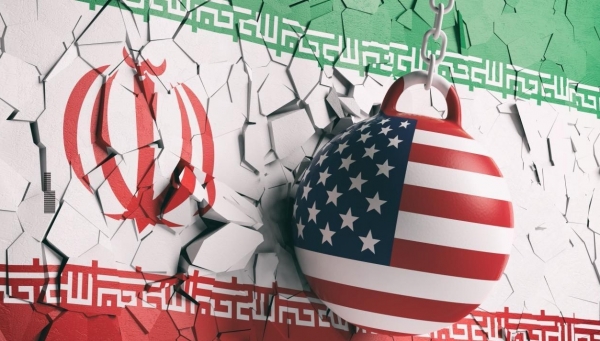
Technological Legacy from 15 Weeks of US-Iran Conflict: Lasting Consequences for the Global Community
The protracted conflict spanning over 15 weeks between the United States and Iran has finally reached a preliminary peace agreement in the past week. However, the human and economic toll has mounted rapidly with consequences extending far beyond the Middle East, impacting the entire global political and economic system. This comprehensive analysis examines the technological dimensions, human costs, and far-reaching implications of this geopolitical crisis.
Historical Context of Escalating Tensions
The relationship between the United States and Iran has been fraught with tension for decades, particularly following the 1979 Islamic Revolution. However, tensions escalated dramatically in early 2020 when the United States withdrew from the Iran Nuclear Deal (JCPOA) and reimposed stringent economic sanctions. The 15-week armed conflict commenced after the assassination of General Qasem Soleimani, commander of the Quds Force of Iran's Islamic Revolutionary Guard Corps, by US forces in Baghdad in January 2020. This single event triggered a rapid escalation that would have profound technological, economic, and humanitarian consequences.
Key Developments During the 15-Week Conflict
The conflict unfolded across multiple fronts, demonstrating the complex nature of modern geopolitical confrontation:
- Reciprocal missile exchanges between US and Iranian forces
- Targeted attacks on Saudi Arabian oil infrastructure—a key US ally
- Detention of naval vessels and crew members by both parties
- Sabotage operations against critical oil infrastructure in the Persian Gulf
- Cyberattacks targeting national infrastructure and military assets
- Unmanned aerial vehicle (UAV) deployments for reconnaissance and offensive operations
Human and Economic Costs: A Quantitative Analysis
The 15-week conflict resulted in significant human suffering and economic disruption. The following table provides a detailed breakdown of the costs incurred by the involved parties:
| Category of Loss | United States | Iran | Other Affected Nations |
|---|---|---|---|
| Casualties | 176 (including 176 from Ukrainian Airlines Flight 752) | >300 (including General Soleimani) | 38 (primarily Saudi Arabia) |
| Infrastructure Damage | 2 military facilities in Iraq | Nuclear facility at Natanz, missile production sites | Saudi Aramco oil processing facilities at Abqaiq |
| Economic Loss Estimate | $45 billion | $100 billion | $75 billion (Gulf region only) |
| Energy Sector Impact | Temporary disruption to regional military operations | Reduction in oil export capacity by 50% | Production capacity reduced by 5.7 million barrels/day |
Global Ramifications Beyond the Middle East
The US-Iran conflict transcended regional boundaries, creating ripple effects throughout the global community:
- Energy Markets: Global oil prices surged to multi-year highs, exceeding $80 per barrel before stabilizing. The International Energy Agency reported a 20% increase in global energy costs during the conflict period.
- Financial Systems: Global stock markets experienced heightened volatility, with the VIX volatility index reaching its highest level since 2018. Insurance costs for shipping in the Persian Gulf increased by 300%.
- Maritime Security: Commercial shipping through the Strait of Hormuz, through which 20% of global oil trade passes, was severely disrupted. An estimated 300 vessels delayed or rerouted during the peak of tensions.
- Supply Chain Disruption: Technology and manufacturing sectors faced component shortages due to shipping delays and increased insurance costs, particularly affecting electronics and automotive industries.
- Humanitarian Crisis: The conflict exacerbated existing refugee situations, with an estimated 15,000 additional displacements recorded in neighboring countries.
Technological Dimensions of the Conflict
The 15-week confrontation highlighted the increasingly technological nature of modern warfare and geopolitical competition:
- Unmanned Systems: Both sides deployed sophisticated UAVs for surveillance and precision strikes. Iranian forces used Shahed-136 drones in attacks on Saudi oil facilities, while US forces deployed MQ-9 Reapers for reconnaissance and targeted operations.
- Cyber Operations: Multiple cyberattacks targeted critical infrastructure, including Iranian attempts to disrupt US financial systems and US operations against Iranian military networks. Notable incidents included the "Shamoon" malware attacks on Iranian petrochemical facilities and the "United States Cyber Command" operations against Iranian missile systems.
- Surveillance Technology: Satellite imagery played a crucial role in military planning and assessment. Both nations utilized advanced reconnaissance satellites to monitor troop movements and military activities.
- Information Warfare: Social media platforms became battlegrounds for propaganda and disinformation campaigns. Both sides utilized sophisticated digital manipulation techniques to shape international perceptions.
- Electronic Warfare: Jamming technologies and electronic countermeasures were deployed extensively, affecting both military communications and civilian GPS-dependent systems in the region.
The Path to Preliminary Peace Agreement
After 15 weeks of escalating tensions, the United States and Iran reached a preliminary peace agreement through Swiss-mediated negotiations. The agreement included several key provisions:
- Reciprocal reduction in military posturing and offensive operations
- Establishment of dedicated diplomatic channels for ongoing communication
- Formation of a bilateral monitoring committee to oversee compliance
- Commitment to resume long-term negotiations regarding Iran's nuclear program
- Phased relaxation of certain economic sanctions in exchange for verifiable nuclear constraints
Despite this breakthrough, many geopolitical analysts view the agreement as a temporary cessation of hostilities rather than a permanent resolution. The underlying issues that precipitated the conflict remain largely unaddressed, and the potential for renewed hostilities persists.
Future Challenges and Prospects
The path to lasting peace faces numerous obstacles, as outlined in the following assessment:
| Challenge Area | Resolution Probability | Timeline for Resolution | Key Obstacles |
|---|---|---|---|
| Economic Sanctions | Medium | 6-12 months | Political resistance in US Congress, secondary sanctions enforcement |
| Nuclear Program Dispute | Low | >12 months | Trust deficit, verification challenges, regional security concerns |
| Economic Reconstruction | High | 2-3 years | Access to international financial institutions, investment climate |
| Regional Security Architecture | Medium | 3-5 years | Competing regional interests, proxy conflicts, great power competition |
| 1-2 years | Transparency in military technology development, cyber norms |
Conclusion: Lasting Technological and Geopolitical Implications
The 15-week conflict between the United States and Iran has left an indelible mark on the technological landscape and international relations. The conflict demonstrated how technological capabilities have become integral to modern geopolitical competition, with cyber operations, unmanned systems, and information warfare playing pivotal roles.
The human cost—measured in thousands of lives and countless more affected—underscores the urgent need for diplomatic solutions. The economic repercussions, particularly in global energy markets and supply chains, will continue to influence international commerce for years to come.
While the preliminary peace agreement offers a temporary respite, the underlying tensions that fueled the conflict remain. Lasting resolution will require not just diplomatic engagement but also technological confidence-building measures that address the security concerns of all parties involved.
The technological legacy of this conflict—both in terms of capabilities developed and lessons learned—will shape the future of international security and competition. As nations increasingly incorporate advanced technologies into their strategic arsenals, establishing norms and protocols governing their use becomes paramount to preventing future escalations.
The path forward demands sustained diplomatic commitment, technological transparency, and a recognition that in an interconnected world, regional conflicts inevitably have global consequences. Only through comprehensive approaches that address security, economic, and technological dimensions can the international community hope to build a more stable and peaceful future.