Russia Considers Complete Diesel Export Ban to Stabilize Domestic Market
MOSCOW - The Russian government is contemplating a complete ban on diesel exports as authorities strive to stabilize the domestic fuel market amid refinery disruptions, rising prices, and supply shortages linked to Ukrainian attacks on energy infrastructure.
Current Situation
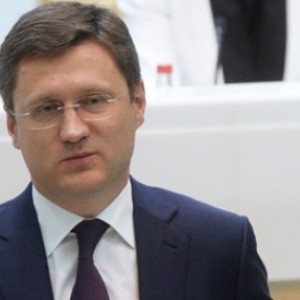
Deputy Prime Minister Alexander Novak announced on Tuesday that the government is considering a complete ban on diesel exports along with other measures to support domestic fuel supplies. Speaking at a government meeting chaired by President Vladimir Putin, Novack acknowledged that the situation in Russia's fuel market "is not simple," though he affirmed that everything remains under control.
"The government is considering a complete ban on diesel exports and other measures," Novak stated, noting that oil and gas companies have increased fuel production to maximum levels to address these challenges.
Shift in Position
These remarks mark a significant shift from Novak's position earlier this month. Speaking at the St. Petersburg International Economic Forum on June 4, he stated there was no urgent need to ban diesel exports for all market participants, though he left open the possibility of implementing such measures if market conditions deteriorated.
Currently, Russia restricts diesel and marine fuel exports for non-direct producers, while gasoline and aviation fuel have been banned for all market participants. A broader diesel export ban would further tighten access to the product on the international market.
Fuel Shortages and High Prices
The discussion comes as fuel shortages and rising prices have emerged in many regions of Russia. According to the Russian newspaper Vedomosti, authorities are also considering importing fuel and subsidizing imported products to control domestic prices and prevent additional inflationary pressures.
Industry sources told Reuters that these options were discussed at a fuel supply meeting chaired by Novak on Monday.
Impact of Ukrainian Attacks
Repeated Ukrainian drone attacks on Russian refineries have disrupted fuel production and distribution networks, forcing Moscow to prioritize domestic supplies. While Russia remains one of the world's largest exporters of refined petroleum products, policymakers appear increasingly focused on protecting the domestic market from further disruptions as the conflict continues.
Potential International Impact
A complete diesel export ban would represent one of the most significant interventions in Russia's fuel market since the start of the war and could affect diesel supplies in Europe, Africa, and some parts of Asia that continue to rely on indirect trade channels to import fuel from Russia.
| Current Russian Fuel Export Control Measures | |
|---|---|
| Fuel Type | Export Status |
| Diesel | Restricted for non-direct producers |
| Marine Fuel | Restricted for non-direct producers |
| Gasoline | Banned for all market participants |
| Aviation Fuel | Banned for all market participants |
| Regions Potentially Affected by Diesel Export Ban | |
|---|---|
| Region | Level of Dependence on Russian Fuel |
| Europe | Moderate to high (through indirect channels) |
| Africa | High |
| Some parts of Asia | Moderate |
In-Depth Analysis
The consideration of a diesel export ban comes as Russia faces dual challenges from Ukrainian attacks on energy infrastructure and international sanctions. While Russia has adapted to sanctions by redirecting trade routes, recent attacks on refineries have created new pressures on the domestic market.
According to experts, a complete ban on diesel exports would be a strong move to ensure domestic supplies, but would also reduce export revenues and potentially cause tensions with trading partners. However, given the current circumstances, the Russian government may be willing to accept these consequences to stabilize the domestic market.
Conclusion
Russia's consideration of a complete diesel export ban indicates the severity of the domestic fuel situation and the government's top priority of ensuring supply for the domestic market. The final decision will depend on developments at refineries and production recovery capacity in the coming weeks.
In the meantime, countries importing fuel from Russia, particularly African nations and some Asian regions, need to prepare for potential supply shortages or significant price increases if the ban is implemented.