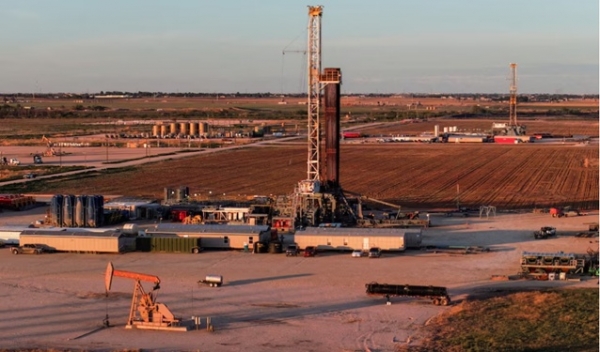
Trump Administration Proposes Significant Reduction in Oil and Gas Drilling Costs on Federal Lands
On June 22, the Trump administration unveiled a sweeping proposal that aims to reshape the landscape of oil and gas drilling operations on federal lands. This comprehensive regulatory overhaul intends to significantly reduce costs associated with drilling activities, particularly focusing on decreasing financial burdens related to the cleanup of abandoned oil wells. The proposal marks a pivotal moment in the administration's energy policy, directly targeting what it identifies as excessive regulatory barriers hindering domestic energy production.
Strategic Objectives Behind the Proposal
The reduction in oil and gas drilling costs represents a cornerstone strategy in the administration's broader initiative to revitalize the domestic energy industry. Beyond mere cost savings for energy companies, the proposal aims to enhance America's self-sufficiency in energy resources while stimulating economic growth in regions heavily dependent on fossil fuel extraction. Proponents argue that these regulatory changes could unlock previously inaccessible reserves, potentially positioning the United States as an even more dominant player in global energy markets.
The administration frames the proposal as essential for maintaining America's energy independence, particularly in the context of geopolitical uncertainties affecting international oil markets. By lowering the financial barriers to entry and operation, the policy seeks to encourage both established energy corporations and smaller independent operators to increase exploration and production activities on federal lands.
Key Regulatory Changes
The proposal introduces several fundamental modifications to existing regulations, each designed to reduce administrative burdens and financial requirements for oil and gas companies operating on federal territories:
- Streamlined Permitting Processes: The administration plans to significantly simplify and accelerate the approval process for drilling permits. Currently, obtaining federal drilling permits can involve multiple agencies and extensive environmental reviews, often spanning years. The new framework would consolidate oversight responsibilities and establish more predictable timelines for approval decisions.
- Reduced Abandoned Well Cleanup Costs: Perhaps the most controversial aspect of the proposal involves substantial reductions in the financial requirements for companies to properly cap and reclaim abandoned oil wells. Under current regulations, operators must post substantial bonds to ensure proper cleanup if operations cease. The proposal would reduce these bonding requirements by up to 50% for certain types of wells, significantly lowering financial liability for energy companies.
- Enhanced Extraction Incentives: The regulatory changes include provisions that would encourage more intensive extraction from existing wells and incentivize development in areas previously considered economically marginal. This includes extended lease terms and royalty relief for operators who commit to developing resources in underutilized federal energy zones.
- Environmental Assessment Modifications: The proposal would modify the scope of environmental impact assessments required for drilling operations, focusing primarily on direct environmental effects rather than broader cumulative impacts. This approach is intended to reduce both the time and cost associated with compliance documentation.
Projected Impact on the Energy Industry
The energy industry has largely welcomed the proposed changes, with representatives suggesting that these regulatory reforms could stimulate significant investment in domestic oil and gas production. Industry analysts project that the reduction in operational costs could lead to increased drilling activities, potentially adding tens of thousands of jobs in both direct extraction and related support industries.
From an economic perspective, the proposal aligns with the administration's broader deregulation agenda, which seeks to reduce what it characterizes as unnecessary bureaucratic impediments to economic activity. The Department of Energy estimates that these changes could increase domestic oil production by 3-5% within five years, while natural gas production could see similar growth percentages.
However, critics argue that the focus on short-term economic gains may come at significant long-term costs. Environmental organizations have raised concerns about the potential impact on ecosystems surrounding federal lands, particularly in regions with fragile habitats or high conservation value. Additionally, there are apprehensions about the adequacy of reduced cleanup requirements to ensure proper reclamation of abandoned sites, which could leave taxpayers responsible for remediation if companies fail to meet their obligations.
Expert Analysis and Industry Perspectives
Energy industry experts have offered a range of perspectives on the proposal's potential impacts. Dr. Michael Reynolds, an energy economist at the American Enterprise Institute, commented: "These regulatory changes could provide substantial short-term economic benefits by reducing operational costs and stimulating investment. However, the long-term sustainability of increased production will depend heavily on market conditions and global energy prices."
Environmental scientists have expressed more caution. Dr. Sarah Jenkins, a researcher specializing in energy policy at the Environmental Defense Fund, noted: "While we recognize the importance of domestic energy production, the proposed reductions in cleanup requirements pose significant risks. Properly reclaiming abandoned wells is not just an environmental necessity but also an economic one, preventing future remediation costs that could far exceed the savings achieved through reduced bonding requirements."
The financial sector's response has been mixed. While some investment firms view the regulatory changes as positive for energy company profitability, others express concerns about potential reputational risks associated with environmentally controversial policies. Several major institutional investors have indicated that they will continue to apply their own environmental, social, and governance (ESG) criteria when evaluating energy investments, regardless of federal regulatory changes.
Comparative Analysis: Before and After the Proposal
| Regulatory Aspect | Current Framework | Proposed Changes |
|---|---|---|
| Permitting Process | Multi-agency review with environmental assessments often taking 2-4 years | Consolidated oversight with standardized timelines of 6-12 months for most permits |
| Abandoned Well Cleanup | Full reclamation bonding requirements averaging $150,000 per well | Reduced bonding requirements of approximately $75,000 per well for conventional wells |
| Environmental Review Scope | Comprehensive analysis including cumulative impacts and climate considerations | Focused primarily on direct environmental effects with reduced emphasis on long-term projections |
Broader Implications and Future Outlook
The proposal has ignited significant debate across multiple sectors, reflecting the complex interplay between economic development, environmental protection, and energy security. While supporters emphasize the potential for increased domestic production, job creation, and reduced dependence on foreign energy sources, critics highlight the potential environmental consequences and the precedent of reduced corporate accountability.
Industry analysts suggest that the actual impact of these regulatory changes will depend heavily on several external factors, including global oil prices, technological advancements in extraction methods, and evolving public sentiment regarding fossil fuel development. The proposal also faces potential legal challenges from environmental groups and states with significant federal lands within their borders.
Looking ahead, the implementation timeline for these changes remains uncertain, with potential modifications likely as the proposal moves through the formal rulemaking process. The administration has indicated its intent to finalize these regulatory changes before the end of the current term, though legal challenges and public comment periods could extend this timeline.
Regardless of the ultimate form these regulations take, the proposal represents a significant shift in federal energy policy that will likely influence the trajectory of domestic oil and gas development for years to come. The balance between economic development and environmental stewardship continues to be a defining challenge for the energy industry, and this latest regulatory effort exemplifies the ongoing tension between these competing priorities.