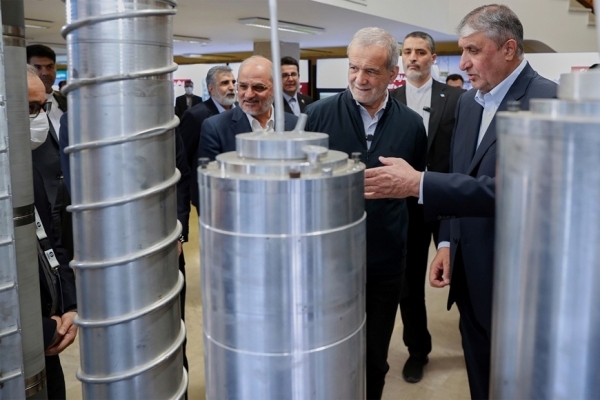
US Secretary of State's Gulf Visit: Escalating Tensions in the Middle East on June 24
Global Affairs Desk - The Middle East continues to be a focal point on the global geopolitical map as US Secretary of State Antony Blinken embarked on a crucial diplomatic mission to the Gulf region on June 24. The visit comes at a time when the area faces complex security and political challenges, with multiple flashpoints threatening regional stability.
Background: Escalating Middle East Tensions
The Middle East has witnessed intensifying tensions across multiple fronts in recent months. From the persistent Israel-Palestine conflict and the humanitarian crisis in Yemen to the Iranian nuclear program and energy security concerns, the region remains in a state of high alert. Major powers including the United States, Russia, China, and European nations have all increased diplomatic activities to safeguard their strategic interests in the area.
The Gulf region, with its vast oil reserves and critical geopolitical location, has become the epicenter of global influence competition. The stability of this area directly impacts global energy markets, international shipping routes, and broader security architecture.
Secretary Blinken's Gulf Diplomatic Mission: Key Objectives
Secretary Blinken's visit to Gulf nations, including Saudi Arabia, the United Arab Emirates, and Qatar, aims to strengthen alliance relationships and discuss pressing regional security issues. This marks a significant high-level US diplomatic engagement with the region since the Biden administration took office.
The diplomatic mission focuses on three primary pillars:
- Regional security and addressing threats from Iran
- Energy cooperation and stabilization of global oil markets
- Promoting normalization of relations between Israel and Arab states
Detailed Itinerary and Dipl Engagements
During his five-day tour, Secretary Blinken held extensive discussions with Gulf leaders on critical regional issues. In Riyadh, the focus was on security cooperation and the Yemen peace process, while in Abu Dhabi, discussions centered on energy security and economic partnerships. The final stop in Doha emphasized regional mediation efforts and Qatar's role as a diplomatic mediator.
Key diplomatic outcomes from these meetings included:
- Enhanced military coordination mechanisms between the US and Gulf Cooperation Council nations
- Joint commitments to maintain stable energy markets amid global volatility
- Support for expanded economic ties between Israel and Arab states
Reactions from Regional and International Stakeholders
The US Secretary of State's visit garnered significant attention from regional nations and the international community. Gulf states viewed this as an opportunity to strengthen relations with Washington after a period of strained ties during the Trump administration, particularly following the 2018 Khashoggi incident.
Saudi Arabia and other Gulf nations expressed cautious optimism about renewed US engagement, emphasizing the importance of mutual respect and addressing concerns about regional security architecture. The UAE welcomed the opportunity to enhance cooperation on both security and economic fronts.
Iran responded with measured skepticism, suggesting that Washington needs to fundamentally shift its policy toward Tehran if meaningful cooperation is to be achieved. Iranian officials reiterated their position that sanctions relief must precede any substantive dialogue.
Israel welcomed the American efforts to rally Arab nations against perceived Iranian threats, with Prime Minister Netanyahu highlighting the shared security interests among Israel, Gulf states, and the United States.
Impact on Regional Dynamics and International Relations
Secretary Blinken's diplomatic mission is poised to have far-reaching implications for the Middle East and international relations:
| Aspect | Potential Impact |
|---|---|
| Regional Security | Enhanced military cooperation, formation of united front against Iran, potential for de-escalation in Yemen |
| Energy Security | Price stabilization, guaranteed global supply chains, strategic petroleum reserve coordination |
| Political Landscape | Accelerated Israel-Arab normalization, potential revival of peace process, multilateral diplomatic framework |
| Economic Cooperation | Increased American investment in Gulf infrastructure, technology partnerships, financial market integration |
Future Outlook: Challenges and Opportunities
Secretary Blinken's Gulf visit marks a significant step in the Biden administration's Middle East policy. However, numerous challenges remain:
- The US-Saudi relationship requires navigating fundamental differences on human rights issues
- The Iranian nuclear program demands a diplomatic breakthrough amid heightened tensions
- The Yemen conflict necessitates a comprehensive peace agreement addressing root causes
- The Israel-Palestine issue requires a viable roadmap for long-term peace
- Climate change impacts on Gulf nations necessitate new frameworks for cooperation
Strategic Implications for Global Geopolitics
The renewed US diplomatic engagement with the Gulf region reflects the strategic importance of this area to global security. In an era of increasing global instability, the Middle East continues to be a focal point of geopolitical competition.
The success of American diplomatic efforts will depend on its ability to balance competing interests among regional actors and find sustainable solutions to long-standing issues. Nevertheless, this visit has opened a new chapter in US-Gulf relations, with prospects for cooperation across security, energy, and economic domains.
As the global community navigates complex challenges from energy transitions to regional conflicts, the stability and cooperation of Gulf states remain essential to international security and prosperity. Secretary Blinken's diplomatic mission represents a critical step in reaffirming American commitment to regional stability while adapting to new geopolitical realities.