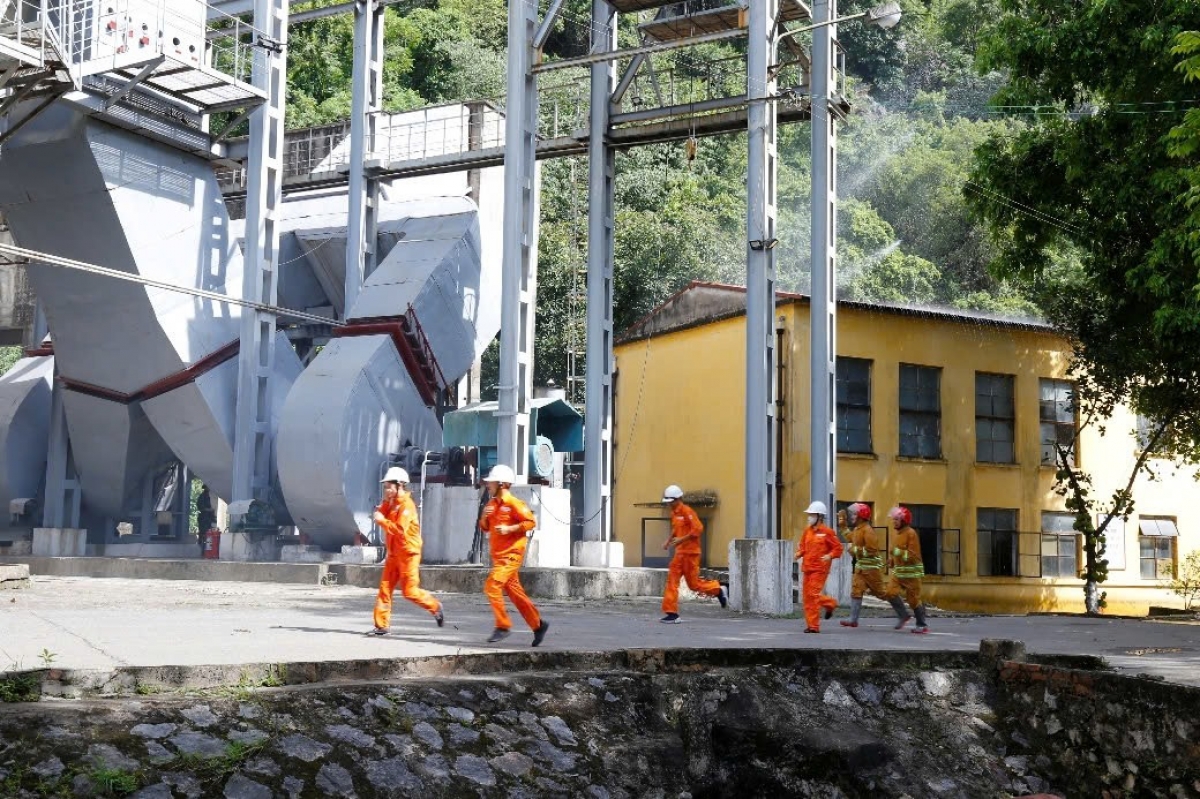
Ninh Thermal Power Company Enhances Emergency Response Capabilities in Face of Increasing Natural Disasters
In an era of increasingly complex natural disaster patterns, enhancing emergency response capabilities has become a critical priority. To implement Plan No. 173/KH-UBND dated May 21, 2026, established by the Ninh Binh Provincial People's Committee, Ninh Thermal Power Joint Stock Company has collaborated with multiple functional agencies to conduct emergency response drills for natural disasters. The comprehensive exercise took place from June 19 to 21, 2026, marking a significant step in the region's disaster preparedness strategy.
The drill represents a proactive approach to addressing the growing challenges posed by extreme weather events, including powerful typhoons and super typhoons that have become more frequent and intense in recent years. By simulating various emergency scenarios, the participating organizations aim to strengthen their coordination, improve response times, and enhance overall effectiveness in protecting both human lives and critical infrastructure.
Strategic Objectives of the Emergency Response Drill
The drill was designed with three primary strategic objectives:
- Enhanced Response Capacity: Strengthening the ability to respond effectively to emergency situations caused by powerful typhoons and super typhoons, ensuring minimal disruption to power generation and distribution.
- Improved Search and Rescue Skills: Developing and refining search and rescue techniques for both functional forces and company employees, particularly in challenging environments.
- Strengthened Interagency Coordination: Establishing robust coordination mechanisms between various units involved in disaster response efforts, creating a unified command structure during actual emergencies.
Participating Organizations and Stakeholders
The emergency response drill brought together a diverse coalition of public and private sector organizations, demonstrating a comprehensive approach to disaster preparedness. The exercise involved:
- Ninh Thermal Power Joint Stock Company as the primary organizer and stakeholder
- Provincial Police Fire Prevention and Rescue Police Department
- Provincial Military Command
- Provincial Border Guard Command
- Various relevant provincial departments and agencies
This multi-agency participation reflects the recognition that effective disaster response requires coordinated efforts across different sectors, each bringing specialized capabilities and resources to address various aspects of emergency management.
Comprehensive Drill Scenarios and Simulations
The three-day exercise featured a series of carefully designed simulated scenarios that tested the capabilities and coordination of all participating units. These scenarios were developed based on historical weather patterns and potential future risks specific to the Ninh Binh region.
| Scenario Type | Description and Objectives |
|---|---|
| Severe Typhoon Response | Simulating immediate response measures upon typhoon landfall, focusing on protecting critical infrastructure, securing power generation facilities, and implementing evacuation procedures for personnel in vulnerable areas. |
| Super Typhoon Crisis Management | Testing the assignment of specific responsibilities to different units during a catastrophic weather event, evaluating decision-making processes under extreme pressure, and assessing resource allocation efficiency. |
| Search and Rescue Operations |
Expected Outcomes and Long-term Benefits
Through this comprehensive emergency response drill, Ninh Thermal Power Company aims to achieve several tangible outcomes that will enhance the region's overall disaster resilience:
- Increased Readiness: Significantly improving the operational readiness of all participating forces, ensuring that personnel and equipment are prepared to respond effectively when real emergencies occur.
- Enhanced Awareness: Raising the awareness level of all employees regarding disaster prevention and mitigation measures, creating a culture of safety throughout the organization.
- Improved Interagency Cooperation: Strengthening coordination mechanisms between functional units during emergency situations, enabling more efficient resource sharing and response operations.
Regional Impact and Future Implications
The emergency response drill conducted by Ninh Thermal Power Company holds broader significance for the entire region. As a critical energy infrastructure provider, the company's operational continuity during disasters is essential for maintaining public services, economic activities, and overall societal functioning.
Moreover, this exercise demonstrates a growing recognition among Vietnamese enterprises of their role in national disaster resilience strategies. By investing in emergency preparedness and collaborating with government agencies, private companies are contributing to a more comprehensive and effective disaster management ecosystem.
Looking ahead, Ninh Thermal Power Company plans to institutionalize regular emergency response drills, incorporating lessons learned from each exercise to continuously improve preparedness measures. The company is also exploring advanced technologies such as early warning systems, remote monitoring of critical infrastructure, and digital simulation tools to further enhance its disaster response capabilities.
Conclusion: A Proactive Approach to Disaster Resilience
The emergency response drill conducted by Ninh Thermal Power Company exemplifies a proactive approach to disaster preparedness that goes beyond theoretical planning. By creating realistic scenarios and involving multiple stakeholders, the company is building practical experience and strengthening the region's overall capacity to handle natural disasters.
In an era of climate change and increasing weather unpredictability, such initiatives are not just beneficial but essential for protecting communities, preserving critical infrastructure, and ensuring sustainable development. The commitment demonstrated by Ninh Thermal Power Company sets a benchmark for other enterprises in the region and underscores the importance of public-private partnerships in building disaster resilience.