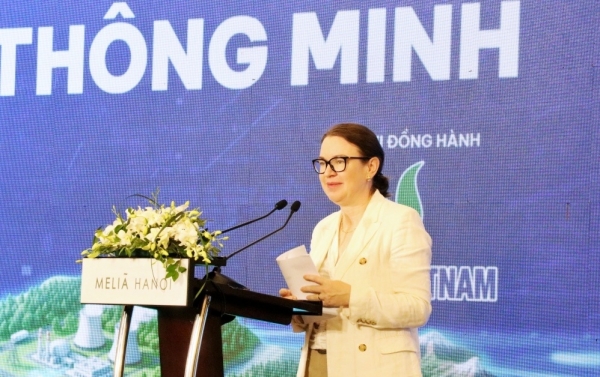
International Experience Opening Pathways for Vietnam's Energy Infrastructure
Vietnam stands at a critical juncture with significant opportunities and challenges in its transition to clean energy, toward achieving sustainable development goals and a net-zero commitment by 2050. In this context, learning from international experiences of countries that have pioneered energy infrastructure development has become imperative. From Ireland's success in wind power development and digitalization of its electricity system to Chile's expertise in grid infrastructure and energy storage solutions, valuable lessons can be drawn for Vietnam as it modernizes its national energy system.
Background of Energy Development in Vietnam
Vietnam is witnessing rapid growth in energy demand, necessitating a restructuring of the national energy system. According to the Power Development Plan VIII, the total installed capacity of the power system by 2030 is expected to reach approximately 129,000 MW, with renewable energy accounting for about 30-35% of this capacity. However, this transition faces numerous challenges related to technical infrastructure, policy frameworks, and funding sources.
Vietnam's current power grid system is primarily concentrated in the delta and coastal regions, while renewable energy potential is concentrated in remote and mountainous areas. The asynchronous development between power sources and transmission infrastructure has led to overload situations in certain regions and limited the ability to connect renewable energy projects.
Ireland's Experience: Wind Power Development and Digitalization of the Electricity System
Ireland has achieved remarkable success in renewable energy development, particularly wind power, while simultaneously advancing the digitalization of its electricity system. The country has set targets to achieve 70% renewable electricity by 2030 and 80% by 2035, demonstrating strong ambition in its energy transition.
Effective Support Policies
Ireland has implemented smart support mechanisms including:
- Offshore wind Contracts for Difference (CfD) system that stabilizes electricity prices and attracts investment
- Land use and administrative procedure incentives for renewable energy projects
- Financial support programs for households and businesses installing solar panels
Successful Offshore Wind Development
Ireland has become one of the world's leaders in offshore wind power with total installed capacity exceeding 4,000 MW. This success stems from:
- Integrated planning between high-potential wind areas and transmission infrastructure
- Significant investment in large-capacity, high-efficiency wind turbine technology
- Development of specialized ports for installation and maintenance of offshore turbines
Digitalization of the Electricity System
Ireland has heavily invested in digitalizing its electricity system with initiatives including:
- Deployment of smart metering systems for 80% of households
- Development of real-time energy data platforms (SCADA) for system monitoring and operation
- Application of artificial intelligence in demand forecasting and grid optimization
Lessons for Vietnam
From Ireland's experience, Vietnam can learn:
- Establish transparent and efficient offshore wind power auction mechanisms
- Plan concentrated wind power development in high-potential regions like South Central Vietnam
- Invest in port infrastructure and support services for offshore wind projects
- Promote digitalization of the electricity system with clear phased implementation plans
Chile's Experience: Grid Development and Energy Storage
Chile has become a model for renewable energy development in Latin America with renewable energy accounting for over 30% of total electricity production. The country has been particularly successful in developing smart grid systems and energy storage solutions.
Flexible Grid Development
Chile has built a modern power grid system featuring:
- Investment in high-voltage direct current (HVDC) transmission lines connecting remote areas with consumption centers
- Construction of smart substations with automation and remote monitoring capabilities
- Implementation of distributed grid management systems (microgrids) for hard-to-reach areas
Advanced Energy Storage
Chile leads in deploying large-scale energy storage projects:
- Investment in large-capacity lithium-ion battery storage facilities
- Application of thermal storage technology in concentrated solar power plants
- Development of ancillary service markets for energy storage systems
Lessons for Vietnam
From Chile's experience, Vietnam can learn:
- Invest in high-voltage transmission lines connecting renewable energy potential areas
- Establish support mechanisms for medium and small-scale energy storage development
- Pilot microgrid models for remote and mountainous areas
- Strengthen international cooperation for advanced energy storage technology transfer
Challenges and Opportunities for Vietnam
Vietnam faces numerous challenges in developing its energy infrastructure:
- Transmission infrastructure struggling to keep pace with renewable energy development
- Shortage of significant funding for energy infrastructure projects
- Limited technological capabilities and high-quality human resources
- Incomplete policy and institutional frameworks to promote private investment
However, Vietnam also has numerous opportunities:
- Abundant renewable energy potential, particularly wind and solar power
- Growing interest from international investors
- Rapid development of clean energy technology with significantly reduced costs
- Strong government commitment to the energy transition
Directions for Vietnam's Energy Infrastructure Development
Based on international experiences, Vietnam should focus on the following development directions:
Improving the Legal Framework
- Establish competitive and transparent electricity pricing mechanisms for renewable energy
- Complete technical standards for smart grids and energy storage
- Create favorable conditions for private investment in energy infrastructure
Integrated Infrastructure Investment
- Develop modern transmission and distribution grid systems
- Invest in port infrastructure and support services for offshore wind power
- Establish national energy data centers
Promoting Technological Innovation
- International cooperation for advanced technology transfer
- Investment in domestic clean energy research and development
- Promotion of renewable energy auxiliary industry development
Developing Human Resources
- Investment in skills training for the clean energy sector
- Attraction of international experts
- Development of vocational training programs for high-skilled technical workers
Conclusion
Learning from international experiences is a crucial factor helping Vietnam develop effective and sustainable energy infrastructure. The success of Ireland in wind power development and electricity system digitalization, combined with Chile's experience in smart grids and energy storage, provides valuable lessons for Vietnam. By combining these successful models with Vietnam's actual conditions, the country can build a modern, efficient, and sustainable energy system, contributing to achieving the 2050 net-zero commitment and ensuring long-term energy security.
| Comparison of International Energy Development Models | |
|---|---|
| Country | Outstanding Features |
| Ireland |
|
| Chile |
|
| Vietnam |
|
| Roadmap for Vietnam's Energy Infrastructure Development to 2030 | |
|---|---|
| Sector | Targets and Solutions |
| Wind Power |
|
| Power Grid |
|
| Energy Storage |
|