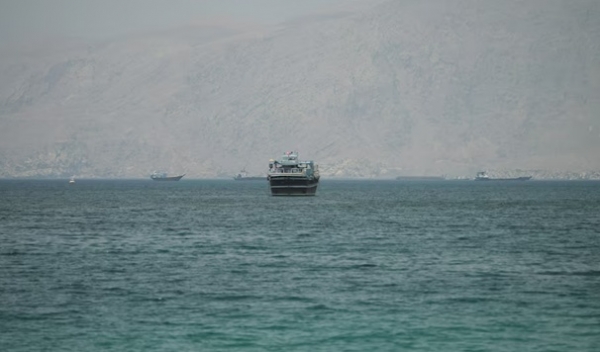
Sharp Increase in Shipping Traffic Through Strait of Hormuz - Positive Sign for Global Energy Market
In a significant development, three oil tankers that had run aground successfully passed through the Strait of Hormuz on June 23, while seven empty LNG (liquefied natural gas) tankers related to Qatar have entered the region in recent weeks. These early indications suggest that gas transportation activities in the Gulf may be resuming, an important signal for the global energy market facing numerous challenges.
The Strategic Importance of the Strait of Hormuz
The Strait of Hormuz is one of the most important maritime routes in the world, where approximately 30% of globally seaborne oil passes through daily. This 21-mile wide strait connects the Persian Gulf with the Gulf of Oman and the Indian Ocean, serving as the primary entrance and exit for major oil-producing nations such as Iran, Iraq, Kuwait, Saudi Arabia, and the United Arab Emirates (UAE).
The stability of this route is vital for global energy security. Any disruption in the Strait of Hormuz could cause significant oil price volatility and impact the economies of numerous countries worldwide.
Recent Shipping Through the Strait of Hormuz
According to maritime sources, three oil tankers that had run aground successfully navigated through the Strait of Hormuz on June 23. Despite technical difficulties, the successful passage of these large vessels indicates that security measures and technical support are improving in the region.
More notably, seven empty LNG tankers related to Qatar have entered the area in recent weeks. Qatar is the world's largest LNG producer, and the country's LNG shipping activities have been significantly disrupted in recent months due to geopolitical tensions and maritime security issues.
Summary of Shipping Activities Through Strait of Hormuz
| Vessel Type | Recent Count | Time Period | Status |
|---|---|---|---|
| Oil Tankers | 3 | June 23 | Ran aground but successfully passed through |
| Empty LNG Tankers | 7 | Recent weeks | Related to Qatar |
Context and Contributing Factors
The increase in shipping traffic through the Strait of Hormuz occurs against a backdrop of potentially easing geopolitical tensions in the Gulf region. Over the past months, the area has witnessed numerous merchant ship attacks, vessel seizures, and increased military activities, causing shipping companies to exercise greater caution when navigating this strategic route.
The return of Qatar's LNG tankers to the Strait of Hormuz may reflect improvements in security arrangements or reduced direct threats to shipping activities. Qatar heavily depends on LNG exports, and closure of this route would severely damage the country's economy.
Impact on Global Energy Markets
The increase in shipping traffic through the Strait of Hormuz is viewed as a positive sign for the global energy market. Oil prices have decreased slightly this week, partly reflecting expectations of renewed stability on this critical shipping route.
For the LNG market, the return of Qatar's shipping vessels could help rebalance global supply. LNG prices have risen significantly in recent months due to supply disruptions and increased demand from Asia. Qatar's resumption of export activities could help cool the market.
Future Outlook
Despite positive signs, the long-term outlook for the Strait of Hormuz remains uncertain. Geopolitical factors in the region, including tensions between Iran and Western nations, conflicts in Yemen, and diplomatic crises among Gulf states, could still affect maritime security.
However, the recent increase in shipping traffic suggests that stakeholders may be seeking to reduce tensions to ensure global energy security. Shipping and energy companies are also investing in security measures to protect their vessels when passing through high-risk areas.
Conclusion
The increase in shipping traffic through the Strait of Hormuz, particularly the resumption of Qatar's LNG tanker activities, is an encouraging sign for the global energy market. While challenges remain, these developments indicate that diplomatic and technical efforts can help maintain stability on this strategically important shipping route.
In a world facing energy price volatility and the transition to cleaner energy sources, ensuring security for traditional energy transportation routes remains crucial for global economic stability.