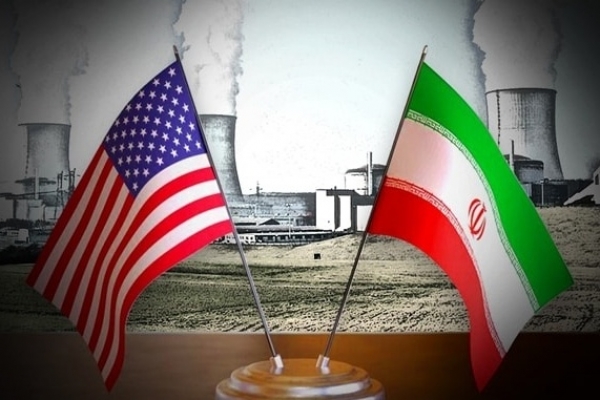
Strait of Hormuz Emerges as New Flashpoint, Threatening US-Iran Nuclear Deal
In the escalating geopolitical landscape of the Middle East, the Strait of Hormuz stands as a critical focal point. As the world's most vital oil shipping lane, this strategic waterway has become the epicenter of mounting tensions between the United States and Iran, presenting new challenges to ongoing efforts to restore the 2015 nuclear agreement between the two nations.
Background of Escalating Tensions
The Strait of Hormuz, through which 20-30% of global oil supplies are transported, has rapidly transformed into a geopolitical hotspot following a series of maritime incidents and military actions by the United States in the region. The strategic importance of this narrow passage cannot be overstated, as it serves as the chokepoint through which a significant portion of the world's energy supplies must flow.
Most recently, the U.S. Navy announced the interception of an oil vessel suspected of transporting Iranian crude oil, marking another incident in the growing series of confrontations in the region. In response, Iran has consistently accused Washington of deliberately destabilizing maritime security in the Persian Gulf, creating an environment of heightened mistrust and potential conflict.
The Nuclear Agreement Under Threat
The escalating tensions in the Strait of Hormuz coincide with particularly challenging negotiations in Vienna aimed at reviving the 2015 Joint Comprehensive Plan of Action (JCPOA). The situation is further complicated by the fact that the United States unilaterally withdrew from the agreement in 2018 and subsequently reimposed stringent economic sanctions on Iran, prompting Tehran to gradually exceed the uranium enrichment limits stipulated in the original accord.
Both parties find themselves in difficult negotiating positions. The United States insists that Iran must return to full compliance with all nuclear commitments before any sanctions can be lifted. Conversely, Iran demands the complete removal of all sanctions before it will return to the negotiating table, creating a fundamental impasse that has stalled diplomatic efforts.
| U.S. Requirements | Iranian Requirements |
|---|---|
| Cessation of uranium enrichment beyond agreed limits | Complete lifting of all economic sanctions |
| Full cooperation with IAEA inspectors | U.S. commitment to remain in the agreement |
| Halt to ballistic missile development | Guarantees of regional security |
Impact on Global Energy Markets
The escalating tensions in the Strait of Hormuz have had direct and measurable effects on global energy markets. Oil prices have surged to multi-month highs following recent incidents, sparking concerns about potential disruptions to oil supplies from the Middle East. This volatility has created uncertainty across global markets, with energy consumers and producers alike closely monitoring developments in this strategically critical region.
According to data from the International Energy Agency (IEA), approximately 17-20 million barrels of oil are transported through the Strait of Hormuz daily, representing about 20-30% of all globally shipped oil. This dependency makes any disruption to maritime traffic through the strait a matter of significant global concern, potentially affecting everything from transportation costs to manufacturing prices worldwide.
| Month | Brent Crude Price (USD/barrel) | Monthly Change |
|---|---|---|
| May | 75.3 | +3.2% |
| June | 78.6 | +4.4% |
| Early July | 82.1 | +4.5% |
International Reactions
The international community has expressed growing concern about the potential for escalating conflict in the region. The United Nations has issued multiple statements calling for restraint from all parties, emphasizing the need for diplomatic solutions to prevent a wider conflict that could have far-reaching consequences for global security and stability.
European powers, particularly the United Kingdom, France, and Germany, have intensified diplomatic efforts to mediate between the United States and Iran. These nations, which were original signatories to the JCPOA, have consistently advocated for the preservation of the nuclear agreement and have urged both sides to return to negotiations without preconditions.
Russia and China, both staunch supporters of the nuclear agreement, have condemned the United States' actions in the region. These permanent members of the UN Security Council have called on Washington to return to the negotiating table without placing additional demands on Iran, emphasizing the importance of maintaining diplomatic channels to resolve the standoff.
Future Prospects
Security analysts predict that the situation in the Strait of Hormuz will remain a focal point of geopolitical tension in the coming months, particularly if the United States and Iran fail to reach an agreement in ongoing nuclear negotiations. The potential for direct military conflict, while currently limited, cannot be entirely discounted, with such a scenario likely to have severe implications for global energy security and economic stability.
Despite these concerns, some analysts express cautious optimism that both sides have strong incentives to avoid direct military confrontation. The United States appears reluctant to become embroiled in another major military engagement in the Middle East, while Iran faces significant economic challenges that could be exacerbated by additional sanctions. This mutual restraint, however, may not be sufficient to prevent incidents that could spiral into broader conflict.
Conclusion
The escalating tensions in the Strait of Hormuz represent a significant challenge to efforts to restore the US-Iran nuclear agreement and maintain stability in one of the world's most strategically important regions. As the primary conduit for global energy supplies, any disruption to maritime traffic through this narrow passage would have immediate and far-reaching consequences for the global economy.
In this context, the international community must intensify diplomatic efforts to prevent escalation and ensure the continued security of this vital maritime route. The long-term solution lies in finding common ground between Washington and Tehran, reviving the nuclear agreement, and establishing effective mechanisms for dialogue to resolve differences and prevent the region from descending into unending conflict.
The stakes are high not only for the United States and Iran but for the entire international community, which depends on the free flow of energy through the Strait of Hormuz and stability in the Middle East to maintain global economic prosperity and security.
#MiddleEast #Hormuz #USIran #NuclearDeal #EnergySecurity