Vietnam's Oil and Gas Energy Sector: Navigating Opportunities and Challenges in the New Development Era
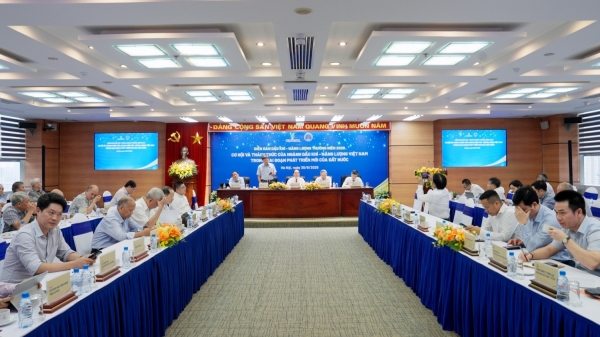
In a landmark gathering that underscored Vietnam's commitment to evolving its energy landscape, the Vietnam Petroleum Association in collaboration with the Vietnam Oil and Gas Group (Petrovietnam) successfully hosted the Annual Oil and Gas Energy Forum on June 30, 2026, in Hanoi. This significant event, themed "Opportunities and Challenges of Vietnam's Oil and Gas Energy Sector in the New Development Phase of the Country," brought together industry leaders, policymakers, energy experts, and international stakeholders to chart the future course of Vietnam's energy sector amid global transformations.
The Significance of the Annual Forum
The Annual Oil and Gas Energy Forum has established itself as a premier platform for strategic discussions on Vietnam's energy future. This year's edition comes at a critical juncture when the global energy sector is undergoing unprecedented changes, driven by climate concerns, technological advancements, and shifting geopolitical dynamics. The forum serves as both a reflection of current industry realities and a forward-looking mechanism to address emerging challenges while capitalizing on new opportunities.
Organized by the Vietnam Petroleum Association – the premier professional organization representing the country's oil and gas sector – in partnership with Petrovietnam, the forum brought together over 500 participants, including government officials, international energy experts, representatives from multinational corporations, and researchers from leading academic institutions.
Key Discussion Areas and Strategic Focus
The forum centered on developing comprehensive strategies to help Vietnam's oil and gas energy sector adapt to the ongoing global energy transition. This adaptation represents one of the most significant challenges facing the industry as demand for renewable energy continues to escalate worldwide and domestic energy consumption patterns evolve.
Keynote speakers emphasized the imperative for Petrovietnam to transform its operational model to align with sustainable development trends while simultaneously enhancing its role in ensuring national energy security. This dual focus reflects the delicate balance that must be struck between environmental imperatives and economic necessities in a developing economy like Vietnam.
Strategic Priorities Identified
During the forum, several strategic priorities emerged as critical for the sector's future development:
- Energy Transition Integration: Developing a roadmap for gradual integration of renewable energy sources into Vietnam's energy mix while optimizing traditional oil and gas operations.
- Technological Innovation: Investing in advanced technologies to improve extraction efficiency, reduce environmental impact, and develop new business models in the energy sector.
- International Cooperation: Strengthening partnerships with global energy players to share knowledge, technology, and best practices in sustainable energy development.
- Regulatory Framework Development: Contributing to the creation of policies that support both energy security and environmental sustainability goals.
Opportunities and Challenges in Vietnam's Energy Sector
The forum provided a comprehensive analysis of the opportunities and challenges facing Vietnam's oil and gas energy sector. These factors are shaping the strategic decisions of industry players and policymakers alike.
Strategic Opportunities
| Opportunity Area | Description and Potential Impact |
|---|---|
| Technological Advancement | Increased investment in new technologies can significantly improve extraction efficiency, reduce operational costs, and minimize environmental impact of oil and gas operations. |
| International Partnerships | Expanded cooperation in renewable energy can facilitate knowledge transfer, technology acquisition, and access to international markets for clean energy solutions. |
| Market Demand | Growing domestic and international demand for clean energy presents opportunities for diversification into renewable energy sources while maintaining traditional operations. |
| Digital Transformation | Adoption of digital technologies can optimize operations, enhance safety, and create new business models in the energy sector value chain. |
Significant Challenges
| Challenge Area | Description and Strategic Implications |
|---|---|
| Energy Transition | Pressure to shift from fossil fuels to renewable sources requires substantial investment in new capabilities while managing stranded assets and changing workforce skills. |
| Market Volatility | International oil price fluctuations directly impact revenue streams and profitability, requiring sophisticated financial risk management strategies. |
| Regulatory Environment | Increasingly stringent environmental and safety regulations necessitate continuous compliance improvements and operational adaptations. |
| Geopolitical Factors | Regional tensions and global energy politics affect exploration rights, export routes, and international partnerships in the energy sector. |
Petrovietnam's Transformation: From Oil and Gas to National Energy Conglomerate
A central theme of the forum was the strategic transformation of Petrovietnam into a National Energy Industry Group. This evolution represents a fundamental shift in the organization's mandate and business model, extending beyond traditional oil and gas activities to encompass a diverse portfolio of energy solutions.
Under this new strategic direction, Petrovietnam is positioning itself to play a pivotal role in Vietnam's energy transition while maintaining its contribution to national energy security. The transformation involves several key components:
- Portfolio Diversification: Expanding operations into renewable energy sources including solar, wind, and hydrogen energy.
- Technology Integration: Incorporating advanced digital technologies across all operations to enhance efficiency and sustainability.
- Sustainability Commitment: Implementing comprehensive environmental, social, and governance (ESG) standards throughout the organization.
- Human Capital Development: Building workforce capabilities to support the diversified energy portfolio of the future.
This strategic transformation is not merely a response to external pressures but a proactive positioning to ensure Petrovietnam's relevance and contribution to Vietnam's energy future. By evolving into a comprehensive energy provider, the organization aims to maintain its economic importance while supporting the country's climate commitments.
Forum Outcomes and Future Directions
The discussions at the Annual Oil and Gas Energy Forum yielded several key outcomes that will guide the sector's development in the coming years:
- A comprehensive roadmap for energy transition was outlined, with specific milestones for the integration of renewable energy sources into Vietnam's energy mix.
- Several pilot projects for carbon capture and storage technologies were identified as priorities for implementation.
- A framework for international cooperation in renewable energy development was established, with particular focus on technology transfer and joint ventures.
- The forum concluded with a commitment to regular follow-up meetings to track progress on the identified initiatives and adapt strategies as needed.
Conclusion: Charting Vietnam's Energy Future
The Annual Oil and Gas Energy Forum of 2026 served as both a reflection point and a catalyst for change in Vietnam's energy sector. As the country navigates the complex transition from traditional fossil fuels to a more diversified energy portfolio, events like this forum provide the necessary platform for dialogue, strategy development, and commitment to action.
Petrovietnam's transformation into a National Energy Industry Group represents a significant step in ensuring that Vietnam's energy security and economic development objectives align with global sustainability trends. The challenges are substantial, but so too are the opportunities for innovation, growth, and leadership in the evolving global energy landscape.
As Vietnam continues its development journey, the strategic decisions made in the energy sector today will shape the country's economic prosperity, environmental sustainability, and energy security for decades to come. The Annual Oil and Gas Energy Forum has demonstrated that Vietnam is committed to taking a proactive and strategic approach to this critical transition.
With continued collaboration between government, industry, and international partners, Vietnam's energy sector is well-positioned to navigate the challenges and capitalize on the opportunities of the new development era, ensuring a sustainable and prosperous future for the nation.