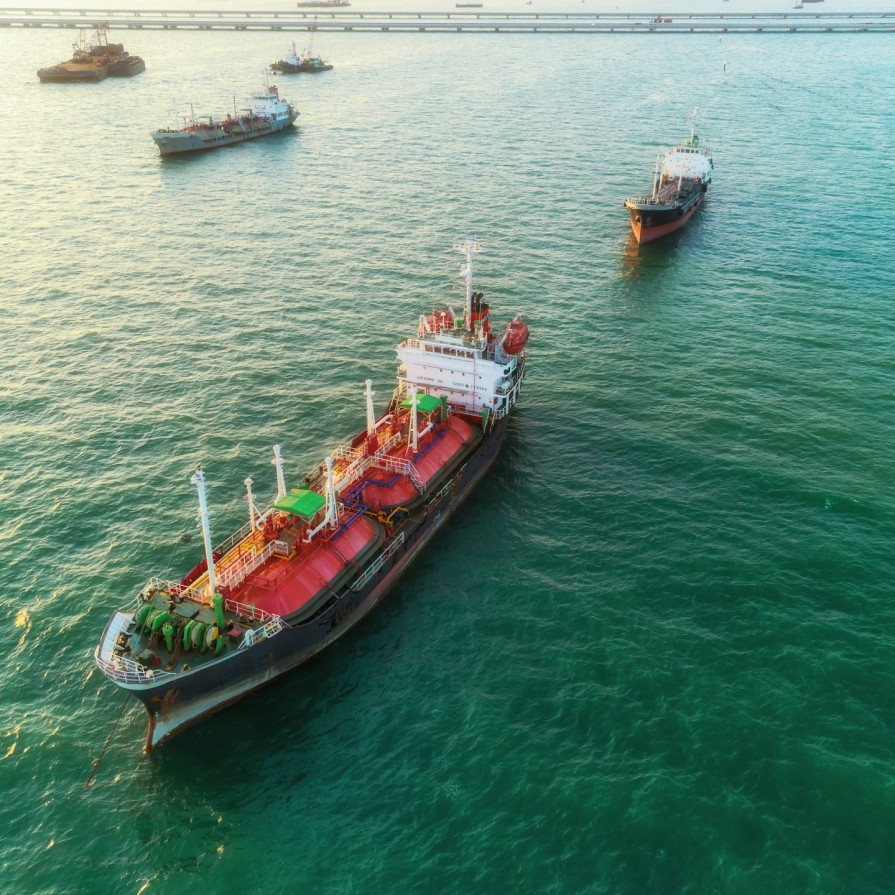
Saudi Arabia and Algeria Reduce LPG Prices as European Gas Surges
In a significant shift in global energy markets, Saudi Arabia and Algeria have officially reduced their prices for liquefied petroleum gas (LPG) for July amid a substantial increase in global supply. According to Reuters information reported on Wednesday, the Saudi Arabian Oil Company (Aramco) decreased its official selling price (OSP) for propane from $760 to $580 per ton and butane from $820 to $600 per ton. Meanwhile, Algeria's Sonatrach reduced its July OSP for propane from $575 to $518 per ton and butane from $610 to $600 per ton.
Global Market Price Adjustments
Aramco serves as the primary benchmark for LPG contracts in the Middle East and Asia-Pacific regions, while Sonatrach's OSP values are used as standards for the Black Sea and Mediterranean markets, including Turkey.
July LPG Price Reduction Comparison
| Country | Product | Previous Price (USD/ton) | New Price (USD/ton) | Reduction Amount |
|---|---|---|---|---|
| Saudi Arabia | Propane | 760 | 580 | 180 |
| Saudi Arabia | Butane | 820 | 600 | 220 |
| Algeria | Propane | 575 | 518 | 57 |
| Algeria | Butane | 610 | 600 | 10 |
The significant price cuts, particularly from Saudi Arabia, have provided relief to consumers in related markets. In Pakistan, the Oil and Gas Regulatory Authority (OGRA) has reduced the price of a 11.8kg LPG cylinder by over 21% for July.
European Gas Prices Spike After Iran Boycotts Negotiations
Concurrently, European natural gas prices have surged again following Iran's unexpected boycott of peace negotiations with US ambassadors in Doha, which dashed hopes for a swift diplomatic solution to the Middle East conflict.
European Gas Price Fluctuations
| Market | Current Price | Change | Recent High |
|---|---|---|---|
| ICE Dutch TTF Contract (Germany) | €43.80/MWh | Increased | High in over 2 weeks |
| UK Gas Contract | 104.8 pence/therm | Spike | 2-week peak |
Middle East Political Dynamics Impact Energy Markets
Tehran has officially eliminated direct meetings with senior US officials, opting to rely entirely on intermediaries such as Qatar and Pakistan. This development occurred after Tehran suspended early discussions this month in response to Israeli military operations in Lebanon, followed by its departure from the summit in Switzerland.
Ongoing disagreements regarding the future of ceasefire tensions, Hormuz Strait-related issues, and disputes over Iran's nuclear program continue to complicate efforts to achieve a sustainable agreement.
Market Analysis and Implications
The combination of LPG price reductions from major producers and European gas price increases demonstrates the conflicting dynamics facing the global energy market, reflecting the complexity of geopolitical and supply-demand factors.
Industry analysts suggest that while the increased LPG supply from Middle Eastern producers is helping to stabilize prices in Asian and African markets, the European market remains vulnerable to geopolitical tensions in the Middle East. The region's critical position in global energy transit routes and its dependence on imported natural gas make it particularly sensitive to political developments.
"The divergent trends in different regional markets highlight the increasingly fragmented nature of global energy markets," commented energy analyst Dr. Sarah Johnson. "While some regions benefit from increased supply and lower prices, others face volatility due to political uncertainties and supply chain concerns."
The International Energy Agency (IEA) has noted that global LPG production continues to rise, driven by increased natural gas processing and refinery operations in key producing countries. However, the agency also warns that geopolitical tensions could disrupt supply chains and create price volatility, particularly in regions heavily dependent on energy imports.
Future Outlook
Market observers predict that while LPG prices may remain relatively stable in the coming months due to ample supply, European gas prices could continue to fluctuate based on political developments and seasonal demand variations. The approaching winter season typically increases demand for heating in European countries, potentially putting additional upward pressure on prices.
Energy-consuming nations are advised to monitor these market developments closely and consider diversifying their energy sources to mitigate potential price volatility and supply disruptions in the evolving global energy landscape.