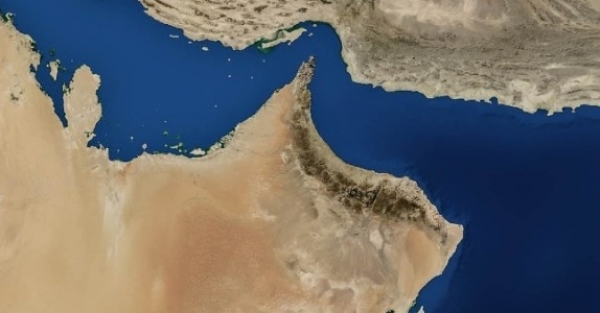
Middle East Update: US Vice President Comments on Iran's Negotiation Tactics
The Middle East region continues to experience complex political and security developments, with international attention increasingly focused on Iran's nuclear program negotiations and the strategic maneuvers surrounding them. In a recent development that has significant implications for regional stability, the US Vice President has offered critical observations regarding Iran's approach to diplomatic discussions.
US Vice President's Remarks on Iran's Negotiation Strategy
During a recent press conference, the US Vice President provided insightful commentary on Iran's negotiation tactics within the context of ongoing discussions about the country's nuclear program. He emphasized that successful diplomatic engagement requires genuine seriousness and commitment from all parties involved.
- Iran's Strategic Approach: According to the Vice President, Iran is employing a sophisticated negotiation strategy designed to maximize advantages in the diplomatic process. This approach reportedly involves deliberate prolongation of discussions and calculated tactics to reduce international pressure on the nation.
- American Position: The US delegation has reaffirmed its commitment to fundamental negotiation principles, stating that sanctions will remain in place until Iran demonstrates strict compliance with previously agreed-upon terms. The Vice President underscored that Washington will not compromise on core objectives related to nuclear non-proliferation.
Security Developments Across the Middle East
The security landscape across the Middle East remains volatile, with ongoing conflicts between military forces and various insurgent groups creating persistent instability and humanitarian concerns. Civilians in many regions continue to face daily challenges as violence persists in multiple theaters.
| Region | Current Status | Primary Causes |
|---|---|---|
| Syria | Continued armed conflict | Prolonged civil war |
| Iraq | Escalating violence | Terrorist group activities |
| Yemen | Humanitarian crisis | Prolonged military conflict |
Broader Implications and International Response
The evolving situation in the Middle East, particularly regarding Iran's nuclear negotiations, carries significant implications for global security and international relations. The apparent divergence between Iran's negotiation tactics and Western expectations has complicated efforts to establish a comprehensive agreement that addresses concerns about nuclear proliferation while acknowledging Iran's right to peaceful nuclear energy.
Diplomatic observers note that the current stalemate in negotiations could potentially lead to several scenarios: either a prolonged period of sanctions and diplomatic isolation for Iran, a gradual erosion of the international coalition supporting sanctions, or a significant breakthrough in negotiations if both sides demonstrate flexibility on key issues.
Regional security experts emphasize that developments in Iran's nuclear program negotiations will likely influence broader strategic calculations across the Middle East, potentially affecting security dynamics in the Persian Gulf, Eastern Mediterranean, and beyond.
Future Outlook
As the Middle East continues to navigate complex political and security challenges, international stakeholders will need to maintain vigilant monitoring of developments while pursuing diplomatic solutions that balance competing interests. The situation underscores the delicate nature of Middle Eastern geopolitics and the critical importance of sustained diplomatic engagement.
International organizations and regional powers are expected to increase their diplomatic efforts in the coming weeks, with particular focus on establishing clear parameters for negotiations and ensuring compliance with established agreements. The international community's ability to coordinate its response will likely play a decisive role in shaping the region's future trajectory.
Further updates on this developing situation will be provided as additional information becomes available, reflecting the fluid nature of Middle Eastern politics and security challenges.