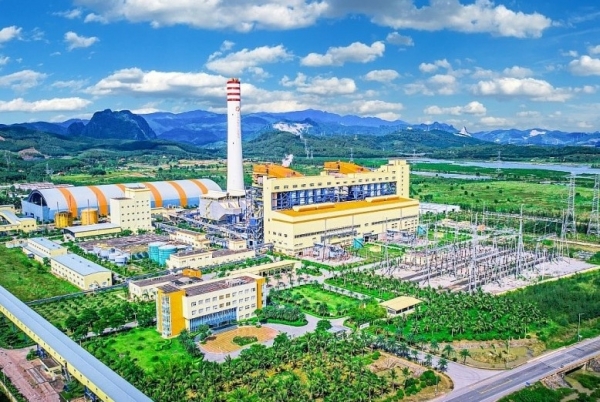
Thermal Power in Vietnam: A Critical Challenge Under Dual Pressure
In Vietnam's journey toward achieving net-zero emissions by 2050, the thermal power sector faces a critical dilemma with dual pressures. The power system still relies on thermal power to ensure energy security and meet double-digit growth in electricity demand, while thermal power plants face increasing pressure to reduce emissions.
The Challenging Context
Vietnam is entering a period of profound energy transition, with a commitment to achieve net-zero emissions by 2050 as announced at COP26. However, the reality is that the thermal power sector remains indispensable to the national power system, particularly during the transition period.
According to data from Vietnam Electricity (EVN), thermal power accounts for approximately 40% of installed capacity and about 35% of the country's electricity generation. Thermal power plants are operating at high capacity to ensure energy security while meeting annual electricity demand growth of approximately 8-10%.
Dual Pressure from Two Fronts
The challenges facing Vietnam's thermal power sector come from two fronts, creating a dual pressure that weighs heavily on enterprises:
- Pressure from energy demand: Vietnam's economy maintains high growth rates, leading to double-digit growth in electricity demand. Industrial zones, rapid urbanization, and improved living standards require a stable, sufficiently large power supply.
- Pressure from environmental concerns: Vietnam has committed to reducing emissions and transitioning from fossil fuels to renewable energy. Thermal power plants face increasingly stringent requirements to reduce greenhouse gas emissions and improve technology to minimize air pollution.
Current Status of Thermal Power Plants
Thermal power plants in Vietnam are operating at high capacity, but most utilize older technology with low efficiency, resulting in significant emissions. Many plants have been in operation for 20-30 years and require investment in upgrades or replacement.
According to a report from the Ministry of Industry and Trade, there are approximately 20 coal-fired thermal power plants with a total installed capacity of about 15,000 MW. However, the average efficiency is only about 32-35%, much lower than the 45% efficiency of modern thermal power plants worldwide.
Solutions and Future Directions
To address this critical challenge, Vietnam's thermal power sector requires comprehensive solutions:
| Solution | Description | Impact |
|---|---|---|
| Technology Modernization | Investment in ultra-supercritical thermal power technology with high efficiency | Reduces CO2 emissions by 20-30%, decreases coal consumption |
| Carbon Capture Application | Implementation of carbon capture, utilization, and storage (CCUS) systems | Can reduce CO2 emissions by up to 90% |
| Fuel Conversion | Transition from coal to natural gas, biomass, or hydrogen | Reduces emissions, aligns with green development roadmap |
| Renewable Energy Development | Integrated investment in solar power, wind power, and hydropower | Reduces dependence on thermal power, diversifies energy supply |
Economic and Social Impacts
The transition of the thermal power sector is not merely a technical issue but involves energy security, social welfare, and sustainable development. Hundreds of thousands of workers directly and indirectly depend on the coal thermal power industry.
According to the Vietnam Energy Association, the coal thermal power sector creates approximately 200,000 direct jobs and more than 500,000 indirect jobs. The transition must be implemented in a planned manner to ensure the livelihood of workers and local economic development.
Future Vision
In this context, the thermal power sector needs a clear transition roadmap with coordination among stakeholders: the government, businesses, communities, and international organizations. The combination of modern thermal power and renewable energy may be a feasible solution in the short and medium term.
Vietnam should leverage international cooperation mechanisms such as the Just Energy Transition Partnership (JETP) to access financial resources and advanced technology, supporting a sustainable transition of the thermal power sector.
Ultimately, the critical challenge facing thermal power is not just an issue for one sector but a common problem for Vietnam's entire economy and society in the journey toward sustainable development and a green future.
#ThermalPower #EnergyTransition #EnergySecurity #NetZeroEmissions #RenewableEnergy #EmissionReduction