US Revokes Sanctions Waivers, Iran Confronts Growing Oil Crisis
In a decisive move that has sent ripples through global energy markets, the United States has revoked the sanctions waivers that had permitted Iran to sell oil without facing penalties. This development has created a precarious situation for Tehran, even before the country could fully restore its crude oil export capabilities. The decision comes in the wake of Iran's attacks on three commercial vessels in the Strait of Hormuz, prompting an immediate response from Washington that included both military strikes against Iranian targets and the revocation of financial exemptions that had been scheduled to remain in effect until August 21.
Iran's Oil Industry: Pre- and Post-Waiver Revocation
Even before the US government's decision to eliminate the sanctions waivers, Iran had been encountering significant difficulties in selling crude oil to Asian buyers beyond China. Following the signing of a memorandum of understanding in mid-June, Iran hastily expedited shipments from its primary export terminals on Kharg Island and moved oil tankers out of the Persian Gulf, just weeks after experiencing near-zero exports due to the American blockade that commenced in mid-April.
The surge in Iranian shipments from the Persian Gulf into waters near the Malacca and Singapore Straits has provided Iran with a "lifeline" to boost exports that had been severely impacted by the American blockade. This strategic redirection represented a critical attempt to maintain market presence amid escalating geopolitical tensions.
Market Reactions and Customer Responses
China has remained Iran's primary customer, while other potential buyers have shown hesitancy in committing to purchases. With the US now justifiably ending the sanctions exemptions, penalties have been reinstated, and buyers in India are reportedly reconsidering options that may have been previously arranged.
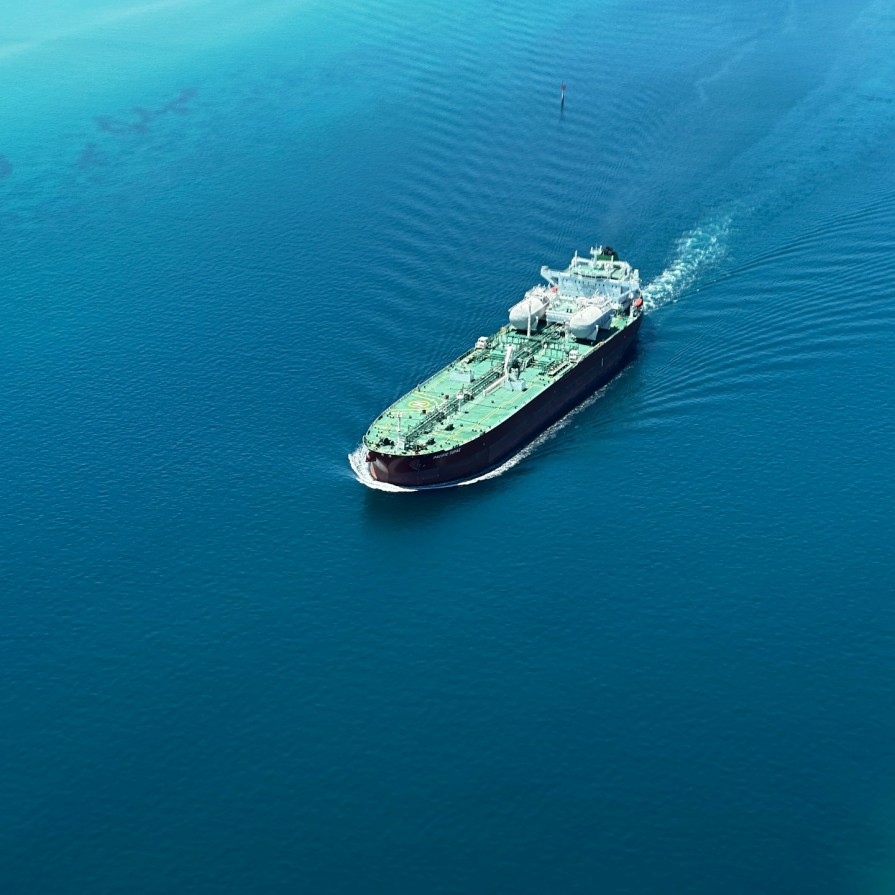
The consequence of this policy shift has left Iran stranded with millions of barrels of crude oil on tankers either in transit or waiting in a vast region stretching from the Persian Gulf to the Malacca Strait. According to vessel tracking data compiled by Bloomberg, the majority of fully loaded Iranian tankers have not issued destination notifications or voyage orders, indicating uncertainty about where these shipments might ultimately be accepted.
Statistical Overview of Iran's Oil Situation
Currently, an estimated 63 million barrels of Iranian oil are either being transported or awaiting discharge on tankers at sea, according to Bloomberg estimates based on data from Vortexa.
| Timeline | Volume of Oil in Transit (Million Barrels) | Status |
|---|---|---|
| Pre-US waiver revocation | ~60 | Exiting Persian Gulf |
| Post-US waiver revocation | ~63 | Awaiting discharge or in transit |
| If blockade resumes | ~50 | Crude and refined products stranded |
"Iran has shipped 60 million barrels of crude since the US Navy temporarily lifted its blockade in mid-2026," TankerTrackers.com reported Tuesday following further escalation of US-Iran tensions. "If the blockade resumes due to escalating tensions, Iran will be left stranded with 50 million barrels of crude and refined products."
Implications for Global Markets
The escalating tensions between the United States and Iran in one of the world's most critical maritime shipping lanes could lead to significant fluctuations in global oil markets. The Persian Gulf serves as a vital conduit for international oil trade, with a substantial portion of the world's oil supply passing through this strategic waterway.
Industry analysts suggest that the current situation could drive up oil prices if tensions continue to escalate and Iran cannot identify new markets for its petroleum products. The uncertainty surrounding these shipments has already begun to affect forward pricing in oil futures markets, with traders factoring in potential supply disruptions.
Regional Geopolitical Considerations
The Strait of Hormuz, through which approximately one-fifth of global oil production passes, has become a flashpoint in the ongoing US-Iran confrontation. The military dimension of this conflict adds another layer of complexity to what is already a precarious situation for global energy security.
Energy security analysts warn that prolonged disruption through this critical chokepoint could have far-reaching consequences beyond immediate price fluctuations, potentially affecting global economic stability and recovery efforts in the post-pandemic era.
Broader Economic Implications
The current predicament places Iran in a challenging position as it attempts to maintain its primary revenue stream from oil exports. The revocation of US sanctions waivers not only impacts Iran's oil export capabilities but could also have long-term consequences for Tehran's economic relationships with potential partners.
For major oil-importing nations such as China, India, and other Asian countries, the escalating tensions present significant challenges in ensuring stable energy supplies. These nations must now navigate increasingly complex geopolitical considerations while attempting to maintain economic growth and energy security.
Alternative Supply Routes and Markets
In response to the crisis, Iran has reportedly been exploring alternative routing options and potential markets that might be more willing to accept its oil despite the renewed sanctions. These efforts include seeking buyers in Africa, Latin America, and potentially some European countries that have historically maintained more independent foreign policies.
Additionally, there are indications that Iran may attempt to increase its domestic refining capacity to reduce its dependence on crude exports, a strategy that would require significant investment and time to implement effectively.
Conclusion
The current situation places Iran in an increasingly difficult position as it strives to maintain its oil revenue—the lifeblood of its economy. The US decision to revoke sanctions exemptions not only affects Iran's oil exports but could also create lasting repercussions for Tehran's economic relationships with potential partners.
Meanwhile, oil-importing nations like China, India, and other Asian countries face the challenge of ensuring stable supply in an environment of escalating geopolitical tensions. The outcome of this crisis will likely have significant implications for global energy markets, international relations, and the broader economic landscape for years to come.
As the situation continues to evolve, energy markets remain on high alert, with all eyes on the Strait of Hormuz and the diplomatic channels that might yet provide a resolution to this increasingly volatile confrontation.