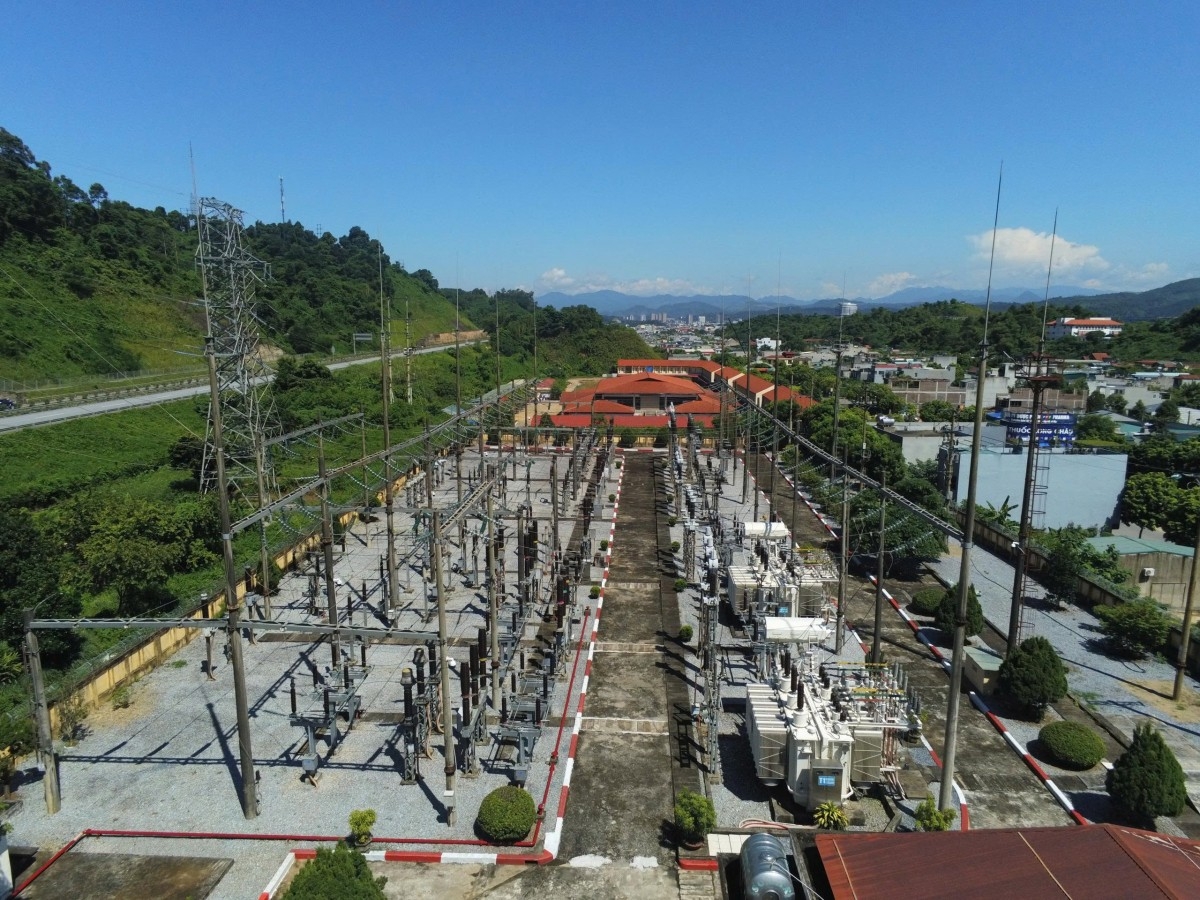
EVNNPC's Implementation of Battery Energy Storage Systems: A Strategic Move Toward Energy Transformation
In the context of energy transition and increasing electricity demand, the Northern Power Corporation (EVNNPC) is actively deploying investments in Battery Energy Storage Systems (BESS) under the guidance of Vietnam Electricity (EVN). This initiative is regarded as a pivotal solution to enhance flexibility in power system operations, while simultaneously reinforcing reliability in electricity supply and meeting the growing load demands.
Understanding BESS Technology
The Battery Energy Storage System (BESS) represents an advanced technology that enables electrical energy storage in chemical form within rechargeable batteries, which can then be converted back to electricity when needed. This technology offers capabilities to provide power system support services such as frequency regulation, voltage control, peak load support, backup power supply, and renewable energy integration.
The implementation of BESS at EVNNPC aims to address challenges in power system operations including:
- Compensating for the instability of renewable energy sources
- Supporting frequency and voltage regulation of the power system
- Enhancing the load-bearing capacity of transmission lines
- Providing power system support services
- Minimizing overload situations in key areas
BESS Implementation Plan at EVNNPC
According to the plan, EVNNPC will deploy BESS systems in key locations with a total capacity of approximately 100 MW. Current projects are concentrated in:
- Hanoi - areas with high load demand and dense population
- Ho Chi Minh City - the country's largest economic center
- Key industrial zones
- Regions with high solar energy penetration
The implementation work is divided into three main phases:
- Phase 1 (2023-2024): Pilot deployment at key locations with a total capacity of 20 MW
- Phase 2 (2024-2025): Scale up to 50 MW in areas with urgent demand
- Phase 3 (2025-2026): Complete the system with a total capacity of 100 MW
Benefits of BESS Implementation
Successful implementation of the BESS system will bring practical benefits to the power system and consumers:
| Domain | Benefits |
|---|---|
| System Operation | Increased flexibility, improved frequency and voltage stability |
| Economic | Reduced power losses, improved equipment utilization efficiency |
| Environmental | Supports renewable energy integration, reduces emissions |
| Energy Security | Enhanced backup capabilities, reduced risk of power outages |
| Consumers | Improved power quality, reduced outage duration |
Technology and Suppliers
EVNNPC's BESS projects utilize modern lithium-ion battery technology with high lifespan and superior performance. In the initial phase, EVNNPC has selected reputable international suppliers such as:
- Fluence (USA)
- Tesla (USA)
- Hitachi (Japan)
- LG Chem (South Korea)
Selection criteria for suppliers include:
- Advanced battery technology with high performance
- Intelligent battery management systems
- High safety and reliability standards
- Reasonable investment and operational costs
- Technology transfer capabilities
Implementation Challenges
Despite numerous benefits, BESS implementation faces several challenges:
- High initial investment costs: BESS systems require significant capital investment, impacting EVNNPC's budget
- Lack of technical standards: The system of standards and technical specifications for BESS in Vietnam is not yet complete
- Professional workforce shortage: The availability of professionals with expertise in BESS technology remains limited
- Battery disposal issues: No effective and environmentally friendly processes for handling old batteries have been established
- Integration with existing systems: Difficulties in integrating BESS with current power systems
Solutions and Strategic Directions
To address these challenges, EVNNPC has proposed comprehensive solutions:
- Developing policy mechanisms to encourage BESS investment
- Improving the legal framework for BESS development
- Training high-quality human resources
- Researching battery recycling technologies
- Strengthening international cooperation to access advanced technologies
Future Vision
The implementation of BESS is not just a short-term solution but a strategic direction for EVNNPC in its energy transition process. Looking ahead, EVNNPC aims to:
- Develop BESS systems with larger scale, potentially reaching 500 MW by 2030
- Apply new energy storage technologies such as flow batteries
- Build intelligent energy storage centers
- Integrate BESS with large-scale renewable energy systems
- Develop market mechanisms for power system support services from BESS
The Director General of EVNNPC stated: "The implementation of BESS systems is one of the key tasks for EVNNPC during the 2023-2025 period. We are committed to effectively implementing these projects, contributing to national energy security while promoting green, sustainable energy transition."
Additionally, EVNNPC is researching public-private partnership (PPP) models to mobilize investment resources for energy storage system development, aiming to reduce the budgetary pressure on the state in investing in energy infrastructure.
Successful BESS implementation will not only benefit EVNNPC but also represents a significant step in Vietnam's energy transition journey toward sustainable development and carbon emission reduction.
#EVNNPC #BESS #EnergyStorage #EnergyTransition #VietnamElectricity