Dubai Proactively Develops Contingency Plans for Future Strait of Hormuz Crises
In a strategic move that underscores the growing vulnerabilities in global shipping routes, Dubai has initiated plans to develop alternative solutions in anticipation of potential future closures of the Strait of Hormuz. This proactive approach comes just weeks after the vital waterway was reopened, highlighting the region's commitment to building resilience against geopolitical disruptions.
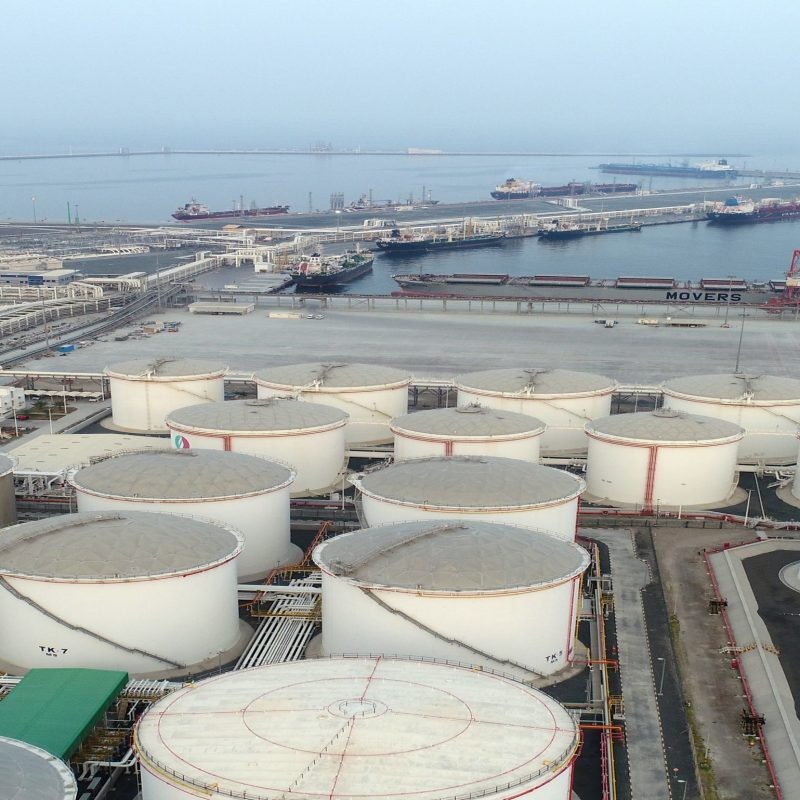
DP World, one of the world's largest port operators, is currently negotiating the construction of a multipurpose port and container terminal in Fujairah, located on the east coast of the United Arab Emirates (UAE). This ambitious project aims to establish an entirely new shipping route that bypasses the strategically significant but increasingly precarious Strait of Hormuz entirely.
Comprehensive Overview of the Fujairah Development Project
According to information reported by Financial Times, the construction timeline for this critical infrastructure project is remarkably swift, with completion potentially achievable in approximately 18 months. DP World has explicitly acknowledged that it is pursuing diversification strategies to overcome potential future disruptions in global supply chains.
The accelerated timeline sends a clear message about the urgency of this initiative: ports are typically designed to address challenges that span decades, not merely weeks or months. This suggests that the company views the potential closure of the Strait of Hormuz as a serious, long-term concern rather than a temporary inconvenience.
| Project Parameter | Specification |
|---|---|
| Location | Fujairah, United Arab Emirates |
| Construction Timeline | Approximately 18 months |
| Facility Type | Multipurpose port and container terminal |
| Operator | DP World |
| Strategic Purpose | Creating an alternative shipping route bypassing the Strait of Hormuz |
The Critical Importance of the Strait of Hormuz
For decades, the Port of Jebel Ali has handled the majority of Dubai's commercial traffic, establishing itself as one of the busiest and most advanced ports globally. However, the port's operations have proven vulnerable to regional tensions, particularly during periods of conflict involving Iran. Historical data indicates that during the Iran-Iraq war, operations at Dubai's flagship port plummeted by as much as 95% when Tehran closed the Strait of Hormuz to maritime traffic.
During such crises, cargo ships were forced to reroute through Fujairah and Khor Fakkan, alternative ports that quickly became overwhelmed by the sudden influx of vessels. This bottleneck effect highlighted the critical need for additional infrastructure capacity outside the strategically vulnerable waterway.
UAE's Dual-Pronged Strategy: Energy and Logistics
The UAE's strategic planning extends beyond maritime logistics to encompass energy security as well. Following its departure from OPEC, the nation has ramped up oil production to unprecedented levels, pumping a record 4.1 million barrels of oil per day in June. This increase has been accompanied by a redirection of crude oil exports through Fujairah and an acceleration of plans for a second pipeline that will double the emirate's export capacity beginning next year.
This dual approach in both energy and logistics sectors demonstrates a comprehensive strategy to reduce dependence on the Strait of Hormuz, which has historically been responsible for approximately 30% of global seaborne oil shipments.
Regional Competition and Infrastructure Expansion
Every dollar invested in Fujairah's port infrastructure serves to reduce dependency on one of the world's most significant maritime chokepoints. The rest of the Gulf region appears to be pursuing similar strategies. Gulftainer recently announced a $2 billion expansion plan for Khor Fakkan, while Fujairah has emerged as one of the region's largest centers for bunker fuel supply and crude oil storage.
Each new berth, storage tank, and pipeline constructed transfers additional commerce east of Hormuz, further cementing Fujairah's position as a strategic hub in the global logistics network. This infrastructure development represents not just economic investment but a critical geopolitical realignment in the region.
Future Implications for Global Trade
The development of these alternative routes and infrastructure carries significant implications for global trade patterns. Should the Strait of Hormuz face prolonged closure, the reorientation of shipping lanes could fundamentally alter commercial relationships and supply chain configurations worldwide.
Companies with operations dependent on Gulf shipping routes are increasingly likely to factor the reliability of Hormuz into their strategic planning. This could accelerate diversification of supply chains and potentially shift trade patterns toward regions with more stable maritime access.
Strategic Analysis and Industry Response
Industry experts note that Dubai's approach represents a sophisticated understanding of geopolitical risk management. Rather than reacting to crises as they occur, the emirate is building preemptive capacity that can be activated when needed.
"This is not just about building ports," commented maritime analyst Sarah Johnson. "It's about creating alternative systems that can maintain global trade flows even when traditional routes are compromised. The 18-month timeline suggests DP World views this as a near-term strategic priority."
The broader implications extend beyond logistics to regional power dynamics. By developing these capabilities, the UAE is strengthening its position as a critical node in global commerce, potentially enhancing its diplomatic influence and economic resilience.
Conclusion: A New Paradigm in Maritime Strategy
Dubai's proactive planning for potential future disruptions in the Strait of Hormuz represents a significant shift in maritime strategy. The development of infrastructure in Fujairah and other eastern locations demonstrates a recognition that traditional shipping routes, while efficient, may no longer be reliable in an increasingly volatile geopolitical landscape.
These initiatives not only reflect the UAE's adaptive capabilities but also highlight the growing strategic importance of the eastern Gulf region in global commerce. As infrastructure development continues, Fujairah and similar locations are poised to become increasingly critical to maintaining global supply chain resilience.
The lessons learned from past disruptions and the investments being made today will likely shape maritime trade patterns for decades to come, potentially establishing a new paradigm where redundancy and alternative routes are fundamental components of global logistics strategy.