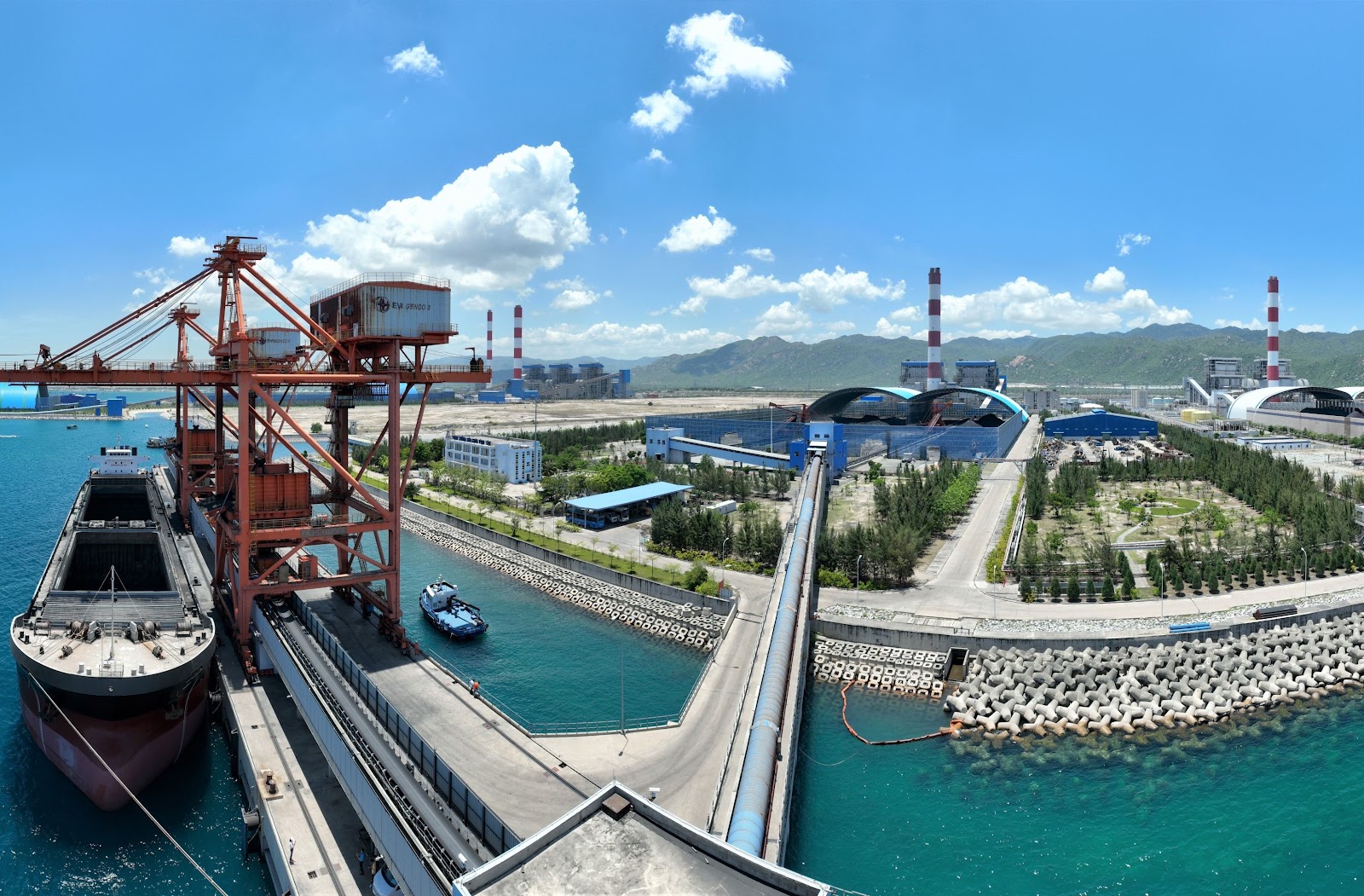
Vinh Tan 2 Thermal Power Plant Reaches 80 Billion kWh Milestone
At 3:30 PM on July 14, 2026, Vinh Tan 2 Thermal Power Plant, under Vinh Tan Power Company - Electricity Generation Corporation 3 (EVN3), officially reached a cumulative electricity production milestone of 80 billion kWh after more than 11 years of commercial operation. This significant milestone highlights the plant's crucial role in maintaining national energy security, particularly during peak dry season periods when electricity demand is highest.
Historical Milestone in the Context of Power Development
This achievement comes at a time when Vietnam's electricity sector is facing numerous challenges regarding supply, especially the electricity shortage during the 2026 dry season. The continuous stable output from Vinh Tan 2 Thermal Power Plant has made a significant contribution to ensuring energy security for the southern region and the entire country.
Details of the 80 Billion kWh Achievement
According to Mr. Nguyen Van Binh, Director of Vinh Tan Power Company, the 80 billion kWh milestone was achieved after 11 years and 6 months of commercial operation, starting from January 1, 2015. The plant has operated safely and stably, exceeding annual production targets, contributing to the socio-economic development of the region.
"This is the result of the relentless efforts of the plant's management and staff in operation, maintenance, and equipment repair to achieve maximum electricity output, ensuring continuous and stable supply to the national power system," Mr. Binh shared.
Introduction to Vinh Tan 2 Thermal Power Plant
| General Information about Vinh Tan 2 Thermal Power Plant | |
|---|---|
| Location | Vinh Tan Industrial Zone, Tuy Phong District, Binh Thuan Province |
| Investor | Electricity Generation Corporation 3 (EVN3) |
| Designed Capacity | 2 x 600 MW = 1200 MW |
| Fuel | Coal |
| Commercial Operation Year | 2015 |
Vinh Tan 2 Thermal Power Plant is one of the key projects in Vietnam's national power development program. With a capacity of 1200 MW, the plant plays a vital role in the southern region's power system, especially during the dry season when hydroelectric power faces water shortages.
Technology and Equipment
The plant applies advanced Japanese technology with steam turbine systems, boilers, and modern flue gas treatment systems. The plant is equipped with advanced environmental treatment systems, ensuring emission standards for SOx, NOx, and particulate matter as regulated by the Ministry of Natural Resources and Environment.
- Electrostatic dust removal system with efficiency over 99.5%
- SOx removal system with efficiency over 95%
- NOx removal system with efficiency over 80%
- Wastewater treatment system meeting Class A standards before discharge into the environment
Contribution to the National Power System
| Annual Electricity Production of Vinh Tan 2 Thermal Power Plant (as of 2025) | |
|---|---|
| Year | Production (billion kWh) |
| 2015 | 3.2 |
| 2016 | 5.8 |
| 2017 | 6.5 |
| 2018 | 7.2 |
| 2019 | 7.8 |
| 2020 | 7.5 |
| 2021 | 7.9 |
| 2022 | 8.2 |
| 2023 | 8.5 |
| 2024 | 8.8 |
| 2025 | 9.0 |
Vinh Tan 2 Thermal Power Plant not only contributes to the national electricity production but also serves as a stable power supply for the key economic zone of southern Vietnam, including Binh Thuan, Ninh Thuan, Dong Nai, Binh Duong, and Ho Chi Minh City.
Role During the Dry Season
During the 2026 dry season, when hydroelectric power plants on the Dong Nai and Saigon River systems faced water shortages, Vinh Tan 2 Thermal Power Plant operated at maximum capacity, making a significant contribution to ensuring regional energy security.
"In the first six months of 2026, the plant produced over 4.5 billion kWh of electricity, a 12% increase compared to the same period in 2025, significantly compensating for the electricity shortage from hydroelectric power," said Mr. Tran Minh Tuan, Deputy General Director of Electricity Generation Corporation 3.
Challenges and Achievements in Operation
During its 11 years of operation, Vinh Tan 2 Thermal Power Plant has faced numerous challenges, from ensuring stable coal supply to operating safely in extreme weather conditions and responding to the COVID-19 pandemic.
- Coal supply challenges: The plant has proactively developed long-term coal import plans, diversified supply sources, and optimized coal usage to ensure electricity production.
- Safe operation: Maintained a safety record with no serious accidents affecting production and the environment.
- Economic efficiency: Continuously improved technology and optimized operations to reduce electricity production costs and enhance economic efficiency.
- Environmental protection: Invested in upgrading flue gas and wastewater treatment systems to minimize environmental impact.
Future Development Plans
To continue contributing to the national power system, Vinh Tan 2 Thermal Power Plant is implementing various renovation and upgrade projects:
- Upgrading turbine systems to increase capacity and efficiency
- Investing in energy storage systems to support the power grid during peak hours
- Researching the application of clean coal technology to reduce CO2 emissions
- Preparing for the transition to renewable energy in the future
Sustainable Development
According to the plan of Electricity Generation Corporation 3, Vinh Tan 2 Thermal Power Plant will gradually transition to a hybrid power generation model, combining thermal power with solar and wind energy on the plant's premises.
"We are researching the possibility of installing solar power systems on the roofs of factory buildings and vacant areas of the plant, with an expected capacity of about 50 MW. This is the first step in the plant's transition to clean energy," Mr. Binh added.
Conclusion
Reaching the 80 billion kWh production milestone is a significant achievement that affirms the role of Vinh Tan 2 Thermal Power Plant in the national power system. With its strategic location in the key economic zone of southern Vietnam, the plant continues to make important contributions to the country's socio-economic development, especially in the context of energy transition and national energy security.
In the future, the plant will continue to develop sustainably, apply advanced technology, minimize environmental impact, and prepare for the energy transition in the coming years.