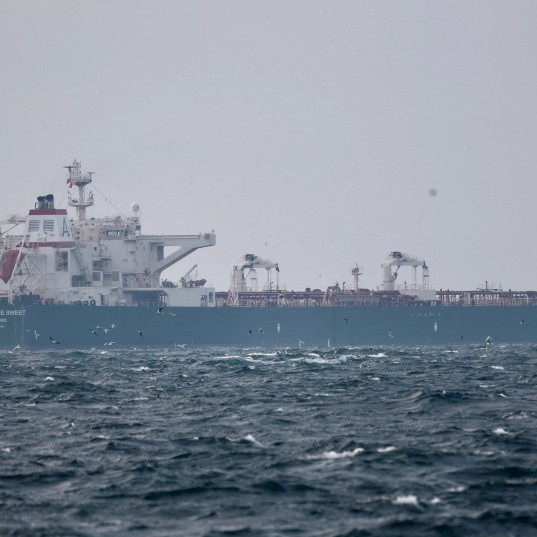
Oil Market Shows Remarkable Calm Amid Escalating US-Iran Tensions
In a display of market resilience against geopolitical turmoil, the global oil market has demonstrated remarkable composure amid escalating tensions between the United States and Iran. Despite Washington's continuous expansion of military operations against Iranian targets, Brent crude oil prices have remained relatively stable, trading around $84.65 per barrel on Wednesday, with only minor declines from the previous day.
Expansion of Military Operations
The United States launched a new wave of attacks against Iran on Wednesday, expanding military targets along Iran's southern coastline. According to the US Central Command, Wednesday's operations targeted coastal defense systems, missile storage facilities, launch positions, and military installations near Bandar Abbas, Bushehr, Qeshm, Greater Tunb Island, and other locations overlooking the Persian Gulf.
The daytime strikes followed hours of nighttime attacks that Washington claimed targeted dozens of additional military objectives related to Iran's capabilities to threaten commercial shipping.
| Location | Attack Targets | Current Status |
|---|---|---|
| Bandar Abbas | Coastal defense systems | Under attack |
| Bushehr | Missile storage facilities | Under attack |
| Qeshm | Missile launch positions | Under attack |
| Greater Tunb Island | Military installations | Under attack |
Tehran's Response
Iran's retaliation has extended beyond missile strikes. Tehran has threatened to expand its global energy export disruption campaign beyond the Strait of Hormuz, warning that sea lanes serving the United States and its allies could become targets.
Iranian officials have increasingly pointed to the Bab el-Mandeb bottleneck, where previous Houthi attacks forced commercial vessels to round the Cape of Good Hope and significantly increased shipping costs.
Impact on the Shipping Industry
Shipping companies have begun adjusting their operations. According to Reuters, some oil operators have refused to transit through the Strait of Hormuz under US escort following recent attacks on commercial vessels. These escorted convoys have helped move tens of millions of barrels of oil out of the Gulf after the June ceasefire reopened the waterway.
Crew safety has once again been prioritized over shorter voyages.
Washington's Pressure Mounts
Washington added another layer of pressure on Wednesday by imposing sanctions on seven individuals and entities accused of helping Iran's Islamic Revolutionary Guard Corps (IRGC) acquire weapons. The measures targeted companies and individuals in Iran, Russia, and Nigeria that US officials claim support the procurement network.
Market Analysis
Oil traders appear to be weighing two markets simultaneously. Military operations continue to escalate, but physical oil exports have not yet experienced another collapse on the scale seen earlier this year.
Until oil barrels begin disappearing from the market again, oil prices seem more concerned with actual physical supply losses than with a new round of military headlines.
Conclusion
The oil market's calm amid US-Iran tensions demonstrates that investors are clearly distinguishing between geopolitical risks and actual impacts on supply. Until oil exports experience significant disruptions, prices are likely to continue responding mildly to political developments, focusing on fundamental market factors rather than breaking news.
This measured approach suggests that while the threat of supply disruption remains a concern, the market has not yet reached a point where it prices in substantial geopolitical risk premiums.