Green Hydrogen: A Promising Revival After Years of Silence
Green hydrogen was once considered the ultimate solution for reducing carbon emissions in hard-to-abate sectors such as maritime transport and steel production. This technology enjoyed significant prominence but subsequently fell completely silent. However, after many years of stagnation in laboratories without achieving substantial commercialization, hydrogen is making a powerful comeback thanks to consecutive scientific breakthroughs and renewed interest in alternative energy options amid the global oil and gas crisis triggered by the conflict between the United States and Iran.
The Potential of Hydrogen in Industrial Processes
Hydrogen has extensive applications in industrial processes and promises to help limit related carbon emissions. This element can be burned at high temperatures like natural gas, heavy oil, or coal thermal energy, but leaves only water vapor when combusted. However, hydrogen is only truly clean and green when its production process and energy source are clean. Currently, most hydrogen used in industrial applications is gray hydrogen, produced from fossil fuels.
Green hydrogen, the term for hydrogen produced from renewable energy, has also faced numerous challenges. A 2022 report from the International Renewable Energy Agency (IRENA) warned against the indiscriminate use of hydrogen, advising policymakers to carefully consider that widespread adoption of green hydrogen "may not be aligned with the requirements of a decarbonized world" because it "requires dedicated renewable energy that could be used for other purposes."
Breakthrough in Hydrogen Production
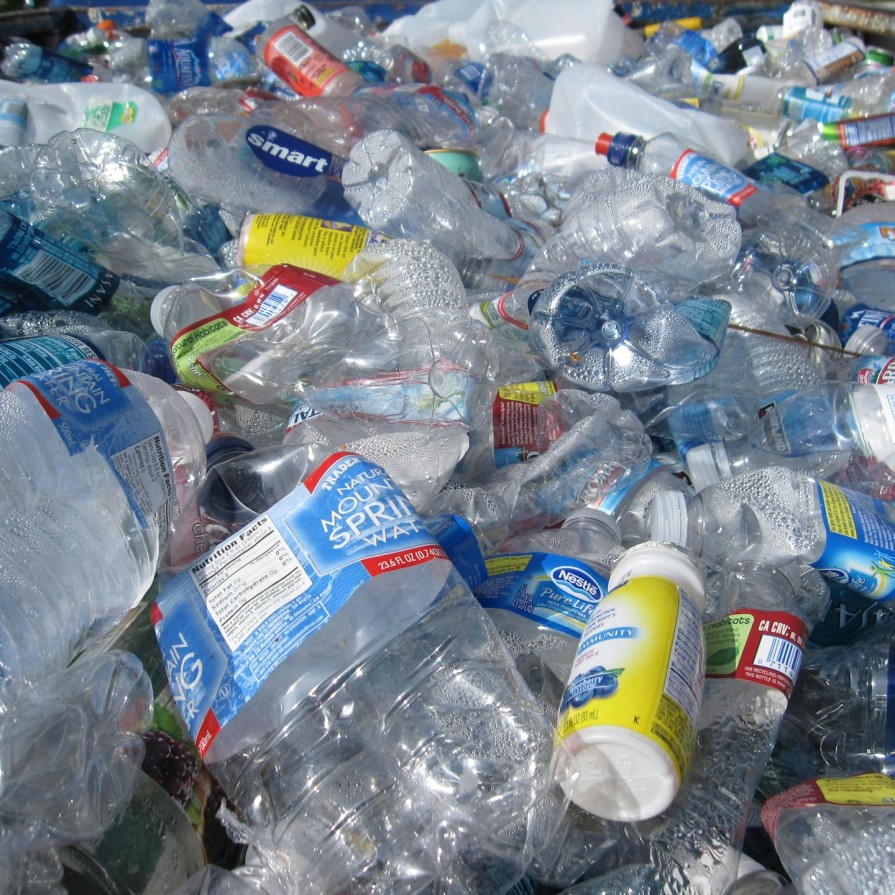
Recently, breakthroughs have opened new methods for hydrogen production that could change the feasibility and efficiency calculations of green hydrogen. Researchers from the UCLA Samueli School of Engineering and Ewha Womans University in South Korea have discovered a method to convert plastic waste into pure hydrogen through a process called Alkaline Thermal Treatment (ATT).
This method has the potential to produce high-purity hydrogen from recycled materials without the need for plastic sorting. Using a single reactor, the process can convert common and difficult-to-recycle plastics such as polyethylene terephthalate (PET), polyethylene (PE), and polypropylene (PP) into hydrogen fuel using heat, with zero carbon emissions. The research findings were published this month in the scientific journal PNAS.
"We are addressing two pressing global issues simultaneously," said Ah-Hyung "Alissa" Park, a professor of chemical and biomolecular engineering at UCLA. "Plastic waste is accumulating at an alarming rate, and clean hydrogen is essential for reducing energy emissions. This technology creatively addresses both challenges and is scalable."
Cost Comparison of Hydrogen Production
| Hydrogen Type | Cost (USD/kg) | Characteristics |
|---|---|---|
| Gray Hydrogen | 2.00 - 3.00 | Produced from fossil fuels |
| Green Hydrogen | 6.00 - 9.00 | Produced from renewable energy |
| Hydrogen from Plastic Waste | 1.54 | Produced from recycled plastics, zero emissions |
The Future of Green Hydrogen
This resurgence in research and breakthrough comes after a long period of silence, when green hydrogen seemed to be a failed cause. In 2023, less than one-tenth of the proposed green hydrogen projects had been implemented. A study tracking 190 projects over three years found "a significant implementation gap in 2023 with only 7% of announced global capacity completed on time." However, interest in green hydrogen research has been restored as its role in energy security has become clearer in the context of volatile oil markets.
China, Europe, and the United States are all striving to boost investment in hydrogen, and it is clear that this renewed attention has begun to yield results. The development of cost-effective methods like ATT for converting plastic waste into hydrogen could accelerate this transition significantly, addressing both waste management and clean energy production simultaneously.
As the world continues to seek solutions to climate change and environmental pollution, technologies that offer dual benefits—such as converting waste into clean energy—may hold the key to a more sustainable future. The UCLA researchers' innovation represents not just a scientific advancement but a potential paradigm shift in how we view waste and energy production.
#GreenHydrogen #RenewableEnergy #Innovation #Sustainability