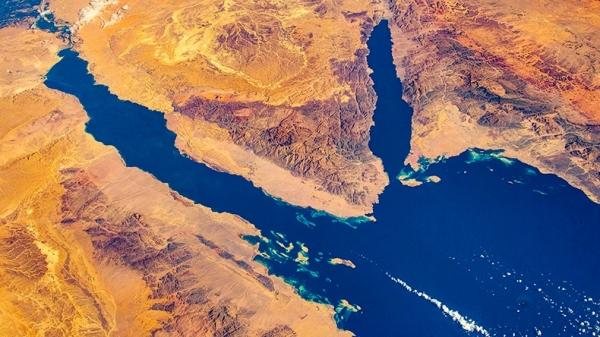
Saudi Arabia's New Shipping Route to Asia: A Strategic Shift in Global Energy Logistics
The recent redirection of oil tankers away from the Bab el Mandeb strait signals a significant shift in maritime risk assessment, as vessel operators increasingly prioritize safety over shorter transit times in navigating to Asian markets.
Transformations in Global Oil Transportation
In recent months, oil tankers transporting crude from Saudi Arabia to Asia have been deviating from traditional maritime routes, avoiding the strategically significant yet perilous Bab el Mandeb strait—one of the world's most critical maritime chokepoints that connects the Red Sea with the Gulf of Aden and Indian Ocean. This strategic realignment reflects heightened security consciousness among vessel operators facing potential threats that could compromise both safety and insurance costs in the shorter route across the Arabian Sea to Asia.
Characteristics of the Traditional Route
Historically, Saudi oil destined for Asian markets has been transported through the Red Sea, passing through the Bab el Mandeb strait—the shortest maritime connection between the Red Sea and the Gulf of Aden, ultimately reaching the Indian Ocean. This traditional route offered substantial time and cost efficiencies, allowing for quicker delivery of Saudi crude to energy-hungry Asian economies.
Drivers of Route Changes
- Escalating Security Risks: Increased piracy activities and political tensions in the Red Sea and Bab el Mandeb region have rendered these maritime corridors increasingly hazardous for commercial shipping.
- Regional Conflicts: The ongoing instability in Yemen and neighboring areas has created a high-risk environment for commercial vessels transiting these waters.
- Rising Insurance Premiums: Due to elevated risks, insurance costs for vessels navigating through high-risk areas have increased substantially, elevating overall transportation expenses.
- Insurance Industry Caution: Many insurance providers have implemented restrictions or premium increases for vessels utilizing high-risk maritime corridors.
Alternative Route Selection
Instead of navigating through the Bab el Mandeb strait, numerous Saudi oil tankers are adopting longer but safer maritime routes to Asia:
- Suez Canal Transit: Still utilizing the Suez Canal but potentially requiring wait times or selective passage timing when security conditions improve.
- African Circumnavigation: Vessels are traveling south from the Red Sea, rounding the Cape of Good Hope, and then proceeding north through the Indian Ocean to reach Asia. This route extends the journey by approximately 2,000-3,000 nautical miles compared to the traditional path.
- Oman Gulf and Hormuz Strait Route: Some carriers opt to travel south through the Persian Gulf, transit the Hormuz Strait, and then proceed toward Asian destinations.
Comparative Analysis of Shipping Routes
| Shipping Route | Transit Time | Distance (Nautical Miles) | Risk Level | Estimated Cost |
|---|---|---|---|---|
| Via Bab el Mandeb | Shortest | ~5,000 | High | Low |
| Around Africa | Longest | ~8,000-9,000 | Low | High |
| Via Suez Canal | Moderate | ~6,000 | Moderate | Moderate |
Economic and Strategic Implications
Impact on Oil Pricing
The redirection of oil shipping routes can influence global oil prices through several mechanisms:
- Increased Transportation Costs: Longer maritime routes elevate shipping expenses, which may be passed on as higher oil prices.
- Extended Transit Times: Longer voyages can delay oil deliveries to Asian markets, potentially creating supply pressures that drive prices upward.
- Supply Vulnerabilities: More complex and extended shipping routes may introduce minor supply disruptions that affect global oil markets.
Impact on the Maritime Industry
This route transformation presents both opportunities and challenges for the maritime sector:
- Increased Demand for Large Tankers: Extended routes may heighten demand for oil tankers capable of long-haul voyages.
- Opportunities for Alternative Corridors: Countries situated along new shipping routes may benefit from increased vessel traffic through their waters.
- Maritime Security Challenges: Nations along emerging routes may need to enhance maritime security measures to accommodate increased traffic.
In-Depth Analysis of Security Risks
Situation at Bab el Mandeb Strait
The Bab el Mandeb strait has emerged as one of the most perilous areas for global maritime commerce in recent years. Its strategic location—connecting the Red Sea with the Gulf of Aden and Indian Ocean—has made it a focal point for piracy and regional conflicts.
The ongoing instability in Yemen has further exacerbated security conditions in this maritime region. Conflicts and the presence of armed groups have created a high-risk environment for commercial vessels navigating these waters.
Maritime and Insurance Industry Responses
- Security Alerts: Numerous international maritime organizations have issued security warnings regarding risks in this region, advising vessels to avoid transit when possible.
- Rising Insurance Costs: Insurance premiums for vessels transiting the Bab el Mandeb area have increased significantly in recent years.
- Enhanced Protective Measures: Some oil tankers have implemented additional security protocols, including hiring escort vessels or installing advanced security systems.
Future Projections
Oil Shipping Trends
Based on current trends, the following developments can be anticipated:
- Continued Use of Alternative Routes: Unless security conditions at the Bab el Mandeb strait improve substantially, many vessel operators may continue utilizing longer but safer maritime corridors.
- Transportation Infrastructure Investment: Countries along alternative routes may increase investments in port facilities and supporting infrastructure to accommodate growing traffic.
- Maritime Security Technology Development: There may be accelerated development of maritime security technologies to mitigate risks along traditional shipping routes.
Impact on Asian Energy Markets
The redirection of Saudi oil shipping routes to Asia could have profound implications for regional energy markets:
- Supply Diversification: Asian nations may enhance efforts to diversify their oil supply sources to reduce dependence on traditional shipping routes.
- Import Structure Shifts: There may be significant changes in the import composition of Asian countries, with a trend toward sourcing oil from geographically closer suppliers.
- Renewable Energy Acceleration: Oil transportation instability may prompt Asian countries to accelerate transitions toward renewable energy sources.
Conclusion
The shift in Saudi Arabia's oil shipping routes to Asia reflects the security and economic challenges facing global maritime logistics. The transition to longer but safer routes demonstrates the risk assessment priorities of vessel operators amid increasing security threats in the Red Sea and Bab el Mandeb region.
This transformation not only affects shipping costs and transit times but may also influence global oil prices and the energy structures of Asian nations. Looking forward, maintaining maritime security and developing efficient transportation solutions will become increasingly crucial to ensure stable global energy supplies.
Stakeholders across governments, transportation companies, oil producers, and consumers must collaborate to address these challenges and secure energy stability for the future.
Keywords:
#Saudi_Oil #Shipping_Routes #Bab_El_Mandeb #Red_Sea #Maritime_Security #Energy_Markets #Asia