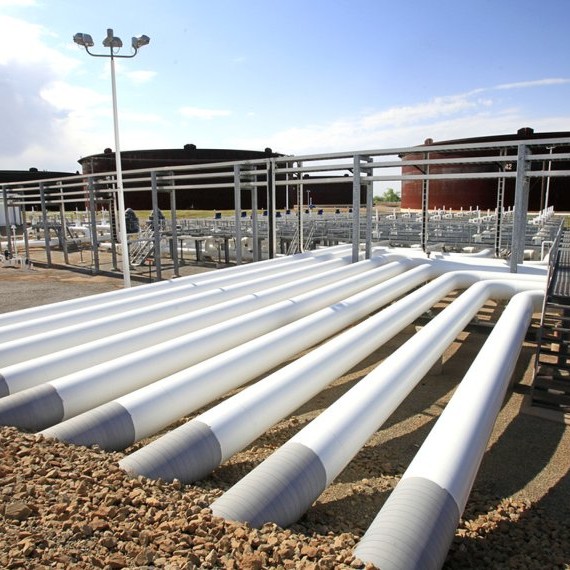
US Crude Oil Reserves Decline Continuously, Losing 52 Million Barrels in 9 Weeks
Current Status of US Oil Reserves: Latest Updates
According to estimates from the American Petroleum Institute (API), crude oil inventories in the United States decreased by 8.33 million barrels in the week ending June 12. Prior analyst forecasts had anticipated a decline of approximately 4.5 million barrels. This follows a significant decrease of 9.119 million barrels in the previous week, indicating a continued downward trend in US oil reserves.
Despite the rapid decline over the past two months—with a total of 52 million barrels lost in nine weeks—total US crude oil inventories have only decreased by 1.4 million barrels since the beginning of the year, according to API data.
Strategic Petroleum Reserve (SPR) Situation
The Strategic Petroleum Reserve is also depleting rapidly as the Trump administration attempts to alleviate price pressures. In the week ending June 12, an additional 8.9 million barrels departed from the SPR, bringing the current total to 340.3 million barrels. This represents a level lower than the 2023 minimum established during the Biden administration's significant drawdown and marks the lowest since 1983. Currently, the SPR is 385 million barrels below maximum capacity.
US Oil Production
Oil production in the United States has increased to 13.799 million barrels per day in the week ending June 5, up from 13.707 million barrels per day in the previous week, according to the latest data from the Energy Information Administration (EIA). This represents an increase of 371,000 barrels per day compared to the same period last year.
Global Oil Market Impact
At 2:51 PM ET on Tuesday, prior to the data release, Brent crude prices fell sharply to $79.18, a decrease of 4.80%, equivalent to a $12 per barrel drop compared to the same time last week. This decline followed the preliminary agreement between the United States and Iran to end hostilities and reopen the Strait of Hormuz.
West Texas Intermediate (WTI) also recorded a daily decline, with prices dropping $4.50 per barrel (5.57%) to $76.25, representing a decrease of approximately $12 from the previous Tuesday.
Inventory Status for Various Fuel Types
| Inventory Type | Week Ending | Change (million barrels) | Comparison to 5-Year Average (%) |
|---|---|---|---|
| Crude Oil | June 12 | -8.33 | - |
| Gasoline | June 12 | +2.479 | -6% |
| Distillate | June 12 | -0.461 | -13% |
| Cushing | June 12 | -1.523 | - |
Market Analysis and Future Outlook
The continuous decline in US crude oil and fuel inventories is creating significant implications for global oil markets. The combination of decreasing reserves and increasing production is creating a complex market dynamic that could influence prices in the coming months.
Experts suggest that the current drawdown in reserves may be a strategic move to manage prices while maintaining production levels. However, the prolonged depletion of the Strategic Petroleum Reserve raises concerns about national energy security, particularly as geopolitical tensions in key oil-producing regions persist.
Market analysts will be closely watching the upcoming inventory reports and production data to assess whether the current trends continue or if we're approaching a turning point in the oil market cycle.
Conclusion
In summary, the situation with crude oil and fuel reserves in the United States is experiencing a significant decline, which may impact prices and the global oil market in the near future. Investors and industry experts will need to monitor these fluctuations closely to make informed decisions regarding energy investments and market strategies.
The intersection of production increases, reserve depletion, and geopolitical developments continues to shape one of the world's most critical commodities, with implications reaching far beyond energy markets into the broader global economy.