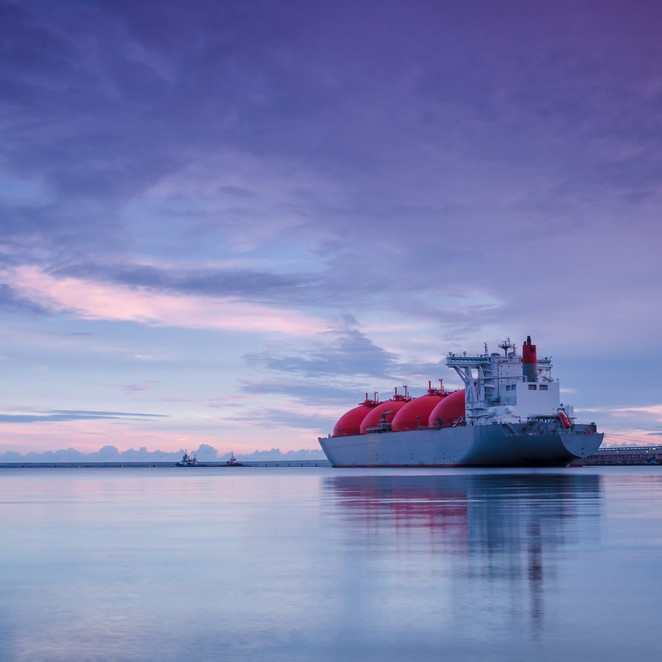
Global LNG Crisis: Australian Industrial Action, Slow Qatar Recovery
A prolonged industrial dispute at Inpex's LNG facilities in Australia threatens to cause significant production disruptions, a senior executive from the Japanese energy conglomerate has revealed in an interview with Bloomberg on Tuesday.
Escalating Industrial Action
Workers at Inpex's Ichthys LNG facility last week voted to escalate industrial action across all three sites, with stoppages now extending to 8 hours per day, up from the previous 4-hour daily disruptions.
"We anticipate upcoming production disruptions at both the onshore and offshore facilities of the Ichthys LNG project," Bill Townsend, Senior Vice President of Inpex, stated in written comments to Bloomberg.
"In the current context of global fuel supply constraints, these disruptions are expected to be significant," the executive added.
Current Situation
The industrial action that commenced on June 3 has already disrupted some LNG loading operations at the Ichthys project in recent days, raising market concerns that supplies from Australia—the world's second-largest LNG supplier after Qatar—could decrease in the coming days and weeks.
Earlier this week, Australia's Fair Work Commission rejected Inpex's request to halt the industrial action at the Ichthys facility, which will impact production and exports at the 9.2 million tons per annum capacity plant.
Impact on Energy Markets
The disruption in LNG supplies from Australia could further increase energy prices for energy-importing nations in Asia, the world's largest LNG market.
European and Asian benchmark gas prices decreased early this week following news of a potential US-Iran agreement, but flows from Qatar have yet to resume, pending the safe reopening of the Strait of Hormuz.
The reopening could begin as early as Friday, when the US and Iran are expected to sign an agreement in Switzerland. However, LNG supplies from the Middle East would only begin flowing several weeks later, if the agreement materializes and the Strait of Hormuz is safely reopened to maritime traffic.
Qatar's Situation
State-owned energy company QatarEnergy, which suspended LNG production in early March, has informed customers that it could restore approximately 50% of production capacity within one month after maritime safety through the Strait of Hormuz is restored, knowledgeable sources familiar with the plans told Bloomberg on Tuesday.
Within two months, Qatar could restore 80% of capacity, according to Bloomberg's sources.
| Summary of Inpex Ichthys LNG Industrial Action | |
|---|---|
| Location | Ichthys LNG Facility, Australia |
| Commencement Date | June 3 |
| Current Strike Duration | 8 hours/day (increased from 4 hours/day) |
| Facility Capacity | 9.2 million tons/year |
| Facility Locations | Both onshore and offshore |
| Projected LNG Production Restoration in Qatar | ||
|---|---|---|
| Timeline | Restoration Rate | Notes |
| First Month | 50% | After safe reopening of Strait of Hormuz |
| Second Month | 80% | Dependent on US-Iran agreement |
Expert Analysis
According to energy experts, the combination of the Inpex strike and Qatar's production suspension is creating dual pressure on the global LNG market. "In the context of global energy demand recovery post-pandemic, any disruption in LNG supply could lead to significant price volatility," an energy market analyst noted.
Australia currently ranks as the world's second-largest LNG supplier after Qatar, and any disruption from this country would have a substantial impact on the Asian market—the world's largest LNG consumer region.
Economic Impact
The disruption in LNG supplies could affect several Asian countries dependent on energy imports, including Japan, South Korea, and China. These nations may face higher energy prices in the short term, potentially impacting manufacturing activities and economic growth.
Economists suggest that the impact could persist until production from Qatar is fully restored, which is expected to take several more months.
By Charles Kennedy, Oilprice.com